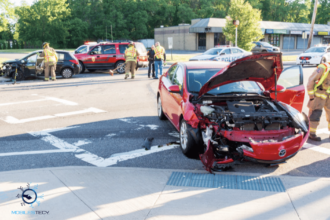
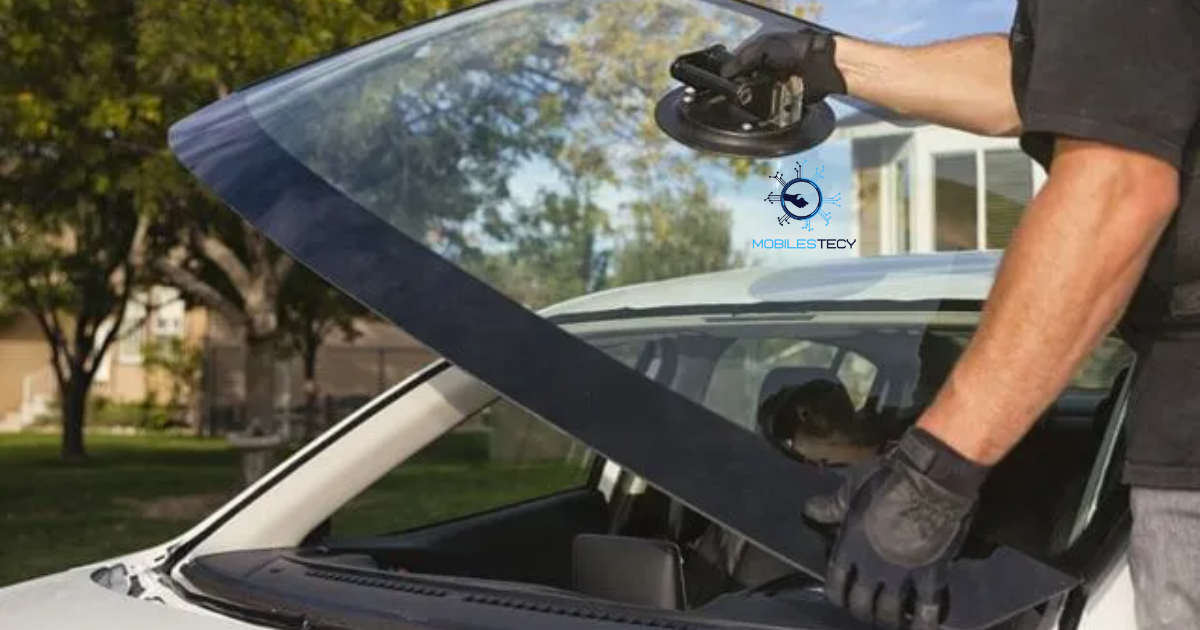
A cracked windshield can occur suddenly due to road debris, storms, or minor accidents, often compromising visibility and vehicle safety. Car insurance may cover the cost of repairing or replacing a cracked windshield, depending on policy type and circumstances. Understanding whether insurance will cover windshield damage can save drivers both time and money while ensuring safety.
Insurance coverage for windshield damage varies based on the type of policy, the insurer, and state regulations. Comprehensive coverage is the most common insurance that pays for windshield repairs or replacement, whereas liability insurance does not cover damage to the insured vehicle. Some insurers offer additional glass coverage or endorsements that specifically address windshield damage, reducing deductibles or providing mobile repair services.
Repairing windshield damage promptly is essential for safety and vehicle integrity. Small chips can expand into larger cracks if left unaddressed, potentially requiring full replacement. Depending on the policy, some insurers may cover minor repairs without requiring a deductible. Major cracks or extensive damage often involve paying the deductible before insurance coverage applies.
Table of Contents
Types of Insurance Coverage That Include Windshield Repair
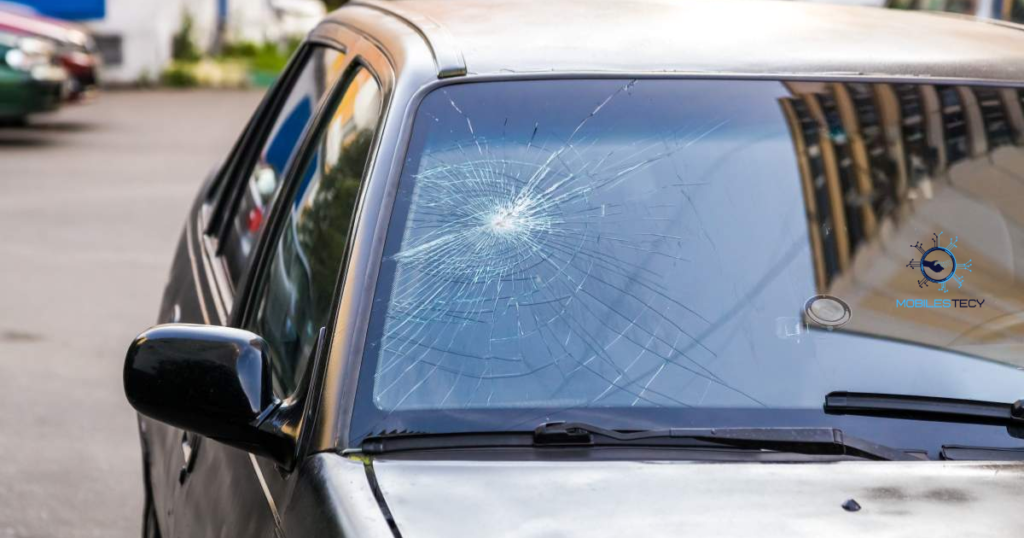
Comprehensive coverage is the primary insurance that covers non-collision windshield damage caused by debris, hail, vandalism, or weather events. Policies typically cover either repair or replacement depending on damage severity, deductible, and insurance rules. Reviewing your policy ensures that you understand how coverage applies and under what conditions. Some insurers require using approved repair shops to guarantee claim approval and proper workmanship.
Glass coverage or endorsements are optional features that many insurers offer for added protection. They often waive deductibles for minor chips or cracks to encourage early repair. Mobile repair services are sometimes included, allowing technicians to fix your windshield at home. Glass coverage is especially valuable in areas with frequent debris, storms, or extreme weather. Understanding these optional benefits helps drivers maximize insurance coverage while reducing out-of-pocket costs.
Liability insurance does not cover windshield damage to your own vehicle and only applies to property or injury damage to others. Collision coverage may apply if the windshield is damaged in an accident, but terms vary by policy. Comprehensive coverage generally remains the primary option for repairing or replacing windshields after non-collision incidents. Policyholders should review both collision and comprehensive sections of their policy to clarify coverage.
Factors Affecting Coverage for a Cracked Windshield
The cause of cracked windshield damage is a major factor in determining whether insurance coverage applies. Comprehensive coverage typically covers debris, vandalism, and weather-related incidents. Collision coverage may apply if the windshield was damaged in a crash or accident. Some insurers provide coverage for glass repairs regardless of fault if optional glass coverage is included.
The size and location of the crack also affect insurance coverage and claim process. Minor chips can often be repaired without a deductible, while larger cracks may require full replacement. Policyholders should contact insurers promptly to determine the correct procedure and maximize benefits. Prompt filing prevents further damage and ensures safety and insurance compliance.
Deductibles and Out-of-Pocket Costs
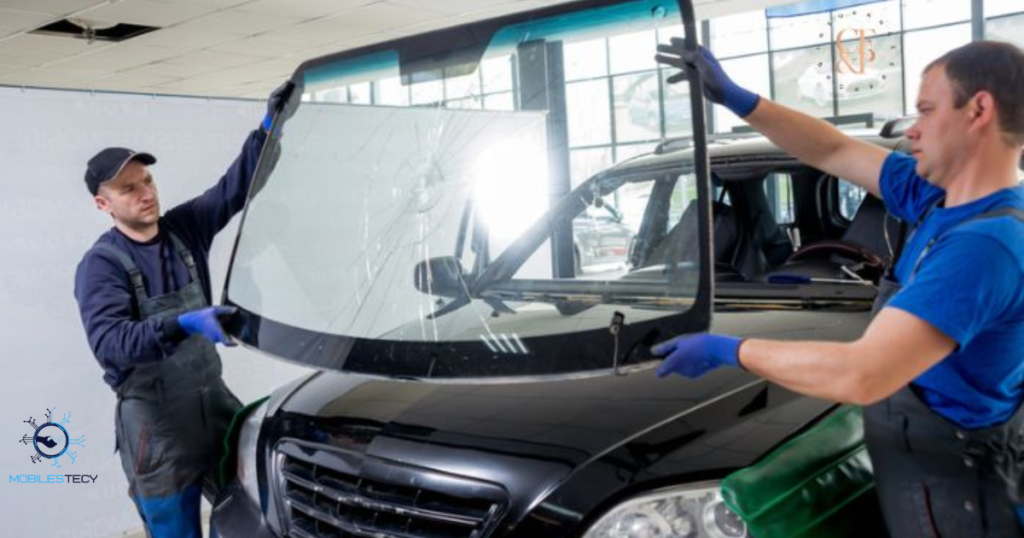
Comprehensive and collision coverage generally require the policyholder to pay a deductible before insurance benefits apply. Deductible amounts vary by policy, typically ranging from $100 to several hundred dollars. Some insurers waive the deductible for minor windshield repairs to encourage quick fixes. Comparing repair costs with the deductible helps determine whether filing a claim is cost-effective.
Prompt attention to cracks or chips prevents further damage and reduces potential repair costs. Knowing your policy details helps avoid unexpected out-of-pocket expenses while maximizing insurance benefits efficiently.Reviewing the policy ensures drivers understand potential out-of-pocket expenses for windshield repairs. Knowing whether your policy includes glass coverage can prevent unexpected expenses for windshield repairs.
Certain states require insurers to waive deductibles for minor windshield repairs under comprehensive coverage. Mobile repair services may be offered for quick and convenient crack repairs. Glass coverage endorsements can eliminate out-of-pocket costs entirely for minor damage. Knowing state laws and policy details helps drivers maximize insurance benefits. Acting promptly prevents minor cracks from worsening, saving money and maintaining safety.
When to Repair vs. Replace a Cracked Windshield
Minor chips and cracks can often be repaired quickly and inexpensively, maintaining visibility and safety. Insurance coverage may include repairs with no deductible if glass coverage is in effect. Professional repairs help maintain structural integrity and ensure compliance with safety regulations.
Extensive cracks or damage blocking the driver’s view typically require full windshield replacement. Replacement costs depend on vehicle type, glass quality, and labor fees. Comprehensive coverage usually pays for replacement minus any applicable deductible. Filing promptly avoids further damage and ensures adherence to safety standards.
Filing an Insurance Claim for Cracked Windshield Damage
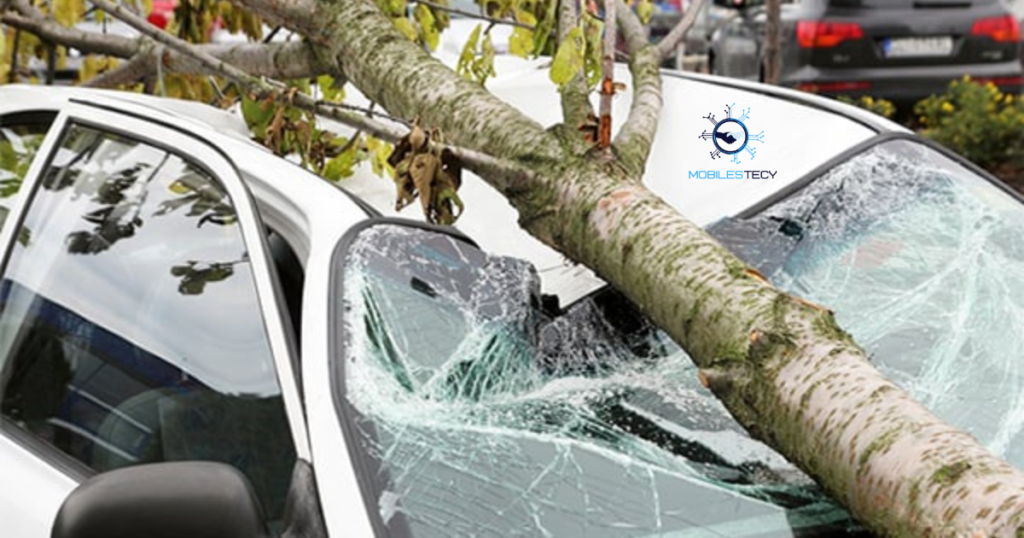
Reporting windshield damage to your insurance provider promptly is essential for a smooth claims process. Many insurers allow online or mobile claim submissions to streamline reporting. Photos of the damage, incident date, and relevant details are usually required. Adjusters assess whether repair or replacement is necessary based on the policy and damage severity. Timely reporting prevents minor cracks from worsening and ensures efficient coverage processing.
Repairing small damage prevents larger cracks that may require full replacement later. Proper coordination between the insurer and repair provider ensures timely repairs and claim completion. Understanding insurance limits ensures there are no surprises when filing claims for windshield damage. Understanding these options ensures that drivers receive the full benefits of their insurance.
Following insurer guidelines and using preferred repair shops ensures claims are approved without complications. Mobile repair services may also be included, providing convenience and faster resolution. Keeping all receipts and documentation guarantees smooth processing and coverage verification. Acting quickly helps maintain windshield integrity and maximizes insurance benefits.
Additional Tips for Windshield Insurance Coverage
Regular cracked windshield inspections help identify minor cracks before they expand, reducing repair costs. Filing claims promptly prevents further damage and minimizes deductible obligations. Optional glass coverage or endorsements reduce or eliminate out-of-pocket expenses. Using certified repair shops ensures insurance coverage is honored and repairs meet safety standards.
Mobile repair services can provide quick, on-site cracked windshield repairs to minimize inconvenience. Prompt attention prevents minor damage from spreading, maintaining safety and visibility. Preferred repair networks ensure full insurance benefits and compliance with policy rules. Understanding coverage limits and exclusions helps drivers maximize benefits efficiently.
- Comprehensive coverage often includes repair or replacement of cracked windshields.
- Glass coverage or endorsements may provide repair services with no deductible.
- Liability insurance does not cover damage to the driver’s own vehicle.
- Prompt reporting helps prevent further damage and maximizes insurance benefits.
- State laws may require insurers to waive deductibles for minor repairs.
Faq’s
Will my insurance cover a small chip in the windshield?
Yes, minor chips are often covered with little or no deductible applied.
Does liability insurance cover windshield damage?
No, liability coverage only protects others’ property or bodily injury claims.
Do I need to file a claim for minor cracked windshield repairs?
Sometimes paying out-of-pocket is cheaper, depending on deductible and repair costs.
Can I choose my own repair shop for insurance coverage?
Some insurers allow this, but most require using preferred or approved providers.
Does comprehensive coverage include windshield replacement after an accident?
Yes, replacement is usually covered, less any deductible, depending on policy terms.
Conclusion
Car insurance can cover cracked windshields depending on policy type, damage cause, and insurer rules. Comprehensive coverage usually protects against non-collision incidents, while collision coverage may apply in accident situations. Optional glass coverage or endorsements can reduce or eliminate deductibles for minor repairs. Filing claims promptly and using approved repair shops ensures smooth processing and maximizes benefits.
Repairing minor chips quickly prevents cracks from spreading, maintaining visibility and overall safety. Extensive cracks generally require full replacement, typically covered by comprehensive policies minus the deductible. Deductibles, repair costs, and policy limits should be considered when deciding to file a claim. Timely repair ensures structural integrity, vehicle safety, and compliance with insurance requirements.
Understanding insurance coverage for windshield damage helps drivers make informed, cost-effective decisions. Policies may include mobile repair services, home service, or in-shop replacement, depending on the provider. Prompt reporting prevents minor damage from worsening, reducing repair costs and maintaining safety. Knowing terms, limits, and exclusions ensures smooth claims and full benefit utilization.
Read more latest Articles on Mobilestecy.com