Auto insurance protects drivers from financial loss caused by accidents or theft. Many people wonder if stolen items inside vehicles are covered. Understanding policy limitations helps drivers plan additional protection for valuables inside. Coverage varies depending on the type of auto insurance purchased. Knowing what is covered prevents unexpected expenses after theft occurs. Policies also have deductibles that may reduce claim reimbursement amounts.
Drivers often assume all belongings inside a car are automatically insured. However, standard auto insurance primarily protects the vehicle itself, not contents. Some valuable items may only be covered under homeowners or renters policies. Optional endorsements may provide limited coverage for certain personal belongings inside. Evaluating coverage helps prevent claim denials and financial frustration during theft.
Stolen items can include electronics, wallets, purses, and sports equipment regularly carried. Policyholders should understand what comprehensive coverage actually covers and excludes. Filing a claim without knowing coverage details may cause financial surprises later. Reviewing insurance contracts ensures informed decisions when carrying valuables in vehicles. Awareness of coverage limitations promotes responsible planning and theft prevention strategies.
Table of Contents
Understanding Auto Insurance Coverage Types
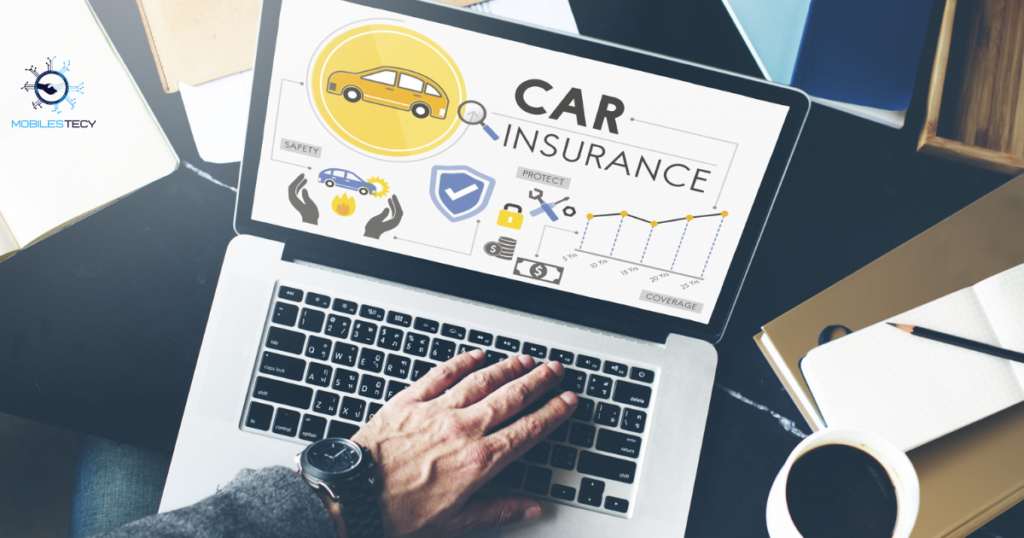
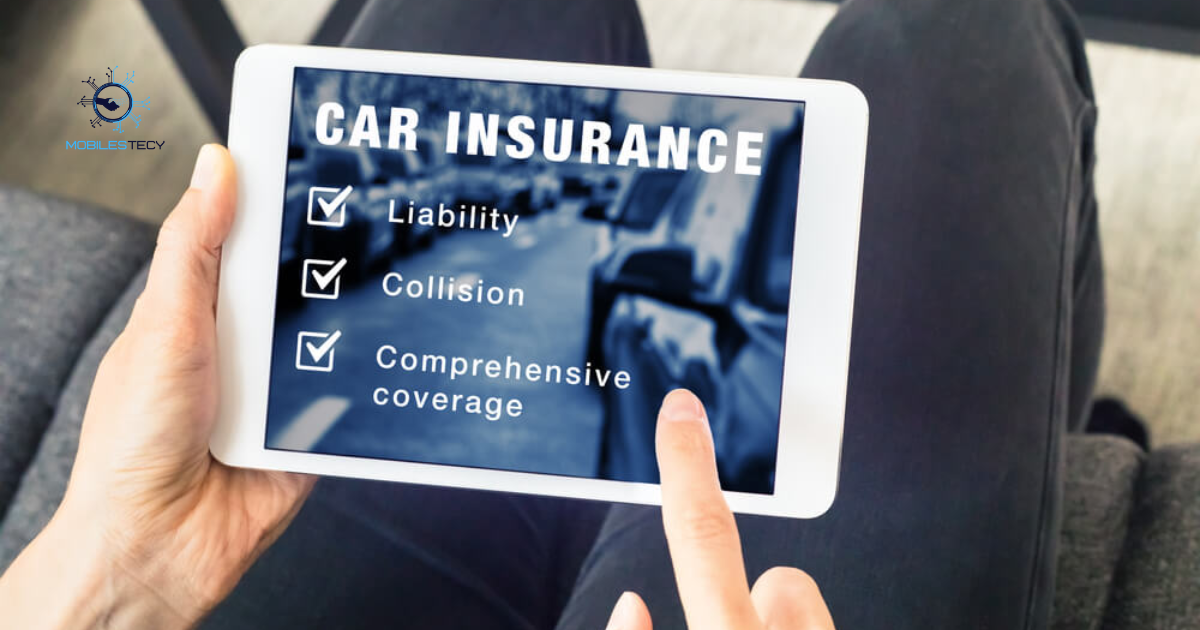
Auto insurance includes several coverage types designed for different protection purposes. Liability coverage protects drivers from injuries or damages they cause to others. Collision coverage repairs or replaces vehicles damaged in accidents regardless of fault. Comprehensive coverage handles non-collision events such as theft, fire, or natural disasters. Optional add-ons provide extra financial support, including rental reimbursement or roadside assistance.
Comprehensive coverage is the main type that applies to vehicle theft. It reimburses policyholders for vehicle loss or damage from stolen items. However, comprehensive coverage usually does not include personal belongings inside the car. High-value items like laptops, cameras, or cash often require separate protection. Endorsements may extend coverage, but limits and deductibles usually apply to claims.
Collision and liability coverage generally do not cover personal property inside vehicles. Their purpose is strictly for vehicle damage or third-party injuries. Optional personal property endorsements may provide partial reimbursement for stolen items. Drivers must confirm coverage with their insurance provider to avoid surprises. Combining auto insurance with renters or homeowners policies often ensures full protection.
Personal Property Coverage Options
Homeowners or renters insurance frequently covers personal belongings stolen items from a vehicle. Items like electronics, purses, and sports equipment are often included in coverage. Limits apply per item, and high-value items may need additional riders. Policyholders must provide proof of purchase or photographs for successful claims. H
Some auto insurers offer optional endorsements for personal property inside vehicles. These policies can cover items even if they are not permanently attached. Coverage limits and deductibles vary depending on the insurer and policy. Adding endorsements is useful for drivers who regularly carry expensive belongings.
Steps to Take if Items Are Stolen Items
Report the theft to local law enforcement as soon as possible. A police report provides official documentation required for insurance claims. Notify your insurance company immediately with full details of stolen items. Include descriptions, estimated value, and any identifying information for each item. Attach receipts, photos, or proof of ownership to support your claim. Follow insurer instructions carefully to avoid delays or claim rejection.
Insurance companies often require an inventory of stolen items for claims verification. Providing serial numbers or purchase records strengthens your case significantly. Maintain copies of all correspondence with law enforcement and insurance adjusters. Acting promptly and documenting everything improves the chances of successful reimbursement. Prompt reporting is essential to ensure coverage and limit delays in processing. Keeping organized records prevents claim disputes and simplifies communication.
Some insurers may partially reimburse if the claim exceeds policy limits. Knowing coverage restrictions before filing claims prevents disappointment or denied payments. Deductibles also apply, reducing the amount received for smaller losses. Regularly reviewing policy details ensures understanding of limits and exclusions. Being proactive reduces financial stress during theft incidents and claim resolution.
Understanding Claim Limitations
Even with personal property coverage, reimbursement limitations apply depending on the policy. Most insurers set maximum payouts per item or claim for stolen items. High-value items like electronics or jewelry may have separate sub-limits. Deductibles reduce the total reimbursement, so minor losses may go unpaid.
Policy exclusions may apply for items such as cash, professional equipment, or collectibles. Coverage limits vary based on endorsements, policy type, and insurer preferences. Reviewing the contract carefully prevents surprise denials during the claims process. Understanding these restrictions helps policyholders plan additional protection for valuable items.
Tips for Protecting Items in Your Vehicle

Never leave valuable belongings visible inside a parked vehicle, including electronics. Store items in the trunk, under seats, or in secured compartments. Always lock doors and windows, even for brief stops. Park in well-lit or monitored areas to discourage potential theft. Installing alarms, tracking devices, or tinted windows adds extra security against thieves. Combining multiple security measures reduces the likelihood of theft significantly.
Professional tools may require business insurance riders for complete coverage. Maintaining accurate documentation such as receipts, serial numbers, or photographs is critical. Proper planning prevents financial loss in case of theft or damage. Specialty coverage ensures valuable items are protected wherever they are located. Understanding coverage adjustments ensures comprehensive protection without overpaying.
Review your insurance policy regularly to ensure adequate coverage for personal property. Update limits or endorsements when acquiring new high-value items or electronics. Compare policy limits with replacement costs to ensure proper protection. Discuss gaps or concerns with your insurance agent to maximize security. Maintaining up-to-date coverage reduces financial risk in case of theft. Policy reviews also help identify opportunities for premium savings.
Alternative Coverage Solutions
Specialty insurance policies are available for high-value items carried in vehicles. Electronics, musical instruments, or sports equipment often require separate protection plans. Some policies provide worldwide coverage, even when items are stolen items outside the home. Combining specialty, renters, homeowners, and auto insurance offers full financial protection.
Keeping detailed records of items ensures claims are processed efficiently and accurately. Regularly updating lists ensures new purchases are included in coverage. Organized documentation can support both insurance and law enforcement investigations. Maintaining this information helps maximize reimbursement and reduces stress during claims.
- Auto insurance primarily covers the vehicle, not personal belongings inside.
- Comprehensive coverage protects against theft, vandalism, or natural disasters.
- Personal property coverage may be available through homeowners or renters insurance.
- Filing claims promptly with proper documentation improves reimbursement chances.
- Taking preventive measures can reduce both theft risk and insurance claims.
Faq’s
Will auto insurance cover my stolen laptop in the car?
Standard auto insurance usually does not cover personal property like laptops. Homeowners or renters insurance may cover this loss.
Can I add coverage for stolen items in my vehicle?
Yes, some insurers offer endorsements or optional personal property coverage.
Are valuables like cash covered if stolen items from the car?
Most policies exclude cash or set very low sub-limits. Specialty insurance may be required. Always check policy language carefully.
What steps should I take after items are stolen?
File a police report, notify your insurer, and provide detailed documentation immediately. Prompt reporting improves reimbursement chances.
Does comprehensive coverage include theft of personal belongings?
Comprehensive coverage generally protects the vehicle, not belongings inside. Additional endorsements may be needed for items. Check coverage limits carefully.
Conclusion
Auto insurance primarily protects vehicles and does not automatically cover personal property inside. Understanding coverage types helps drivers know what is reimbursable after theft. Homeowners, renters, or optional personal property endorsements may provide the protection needed. Prompt reporting, proper documentation, and police reports improve the likelihood of reimbursement. Awareness and preparation reduce financial stress and ensure smoother claims experiences.
Taking preventive steps is essential to minimize theft risk. Locking vehicles, storing valuables out of sight, and using secure parking areas help protect belongings. Vehicle alarms, window tinting, and tracking devices enhance security. Reviewing insurance policies ensures personal property coverage meets current needs. Being proactive is critical for safeguarding both vehicle and possessions. Drivers should assess coverage annually and update endorsements if needed.
Specialty insurance policies can complement auto coverage for high-value items. Electronics, instruments, and professional equipment may require separate insurance for full protection. Maintaining organized records of receipts, photos, and serial numbers aids claims. Combined coverage strategies maximize protection against theft and financial loss. Understanding insurance limitations, preventive measures, and additional policies ensures peace of mind for all drivers. Policyholders should always confirm coverage details with their insurance company.
Read more latest Articles on Mobilestecy.com