
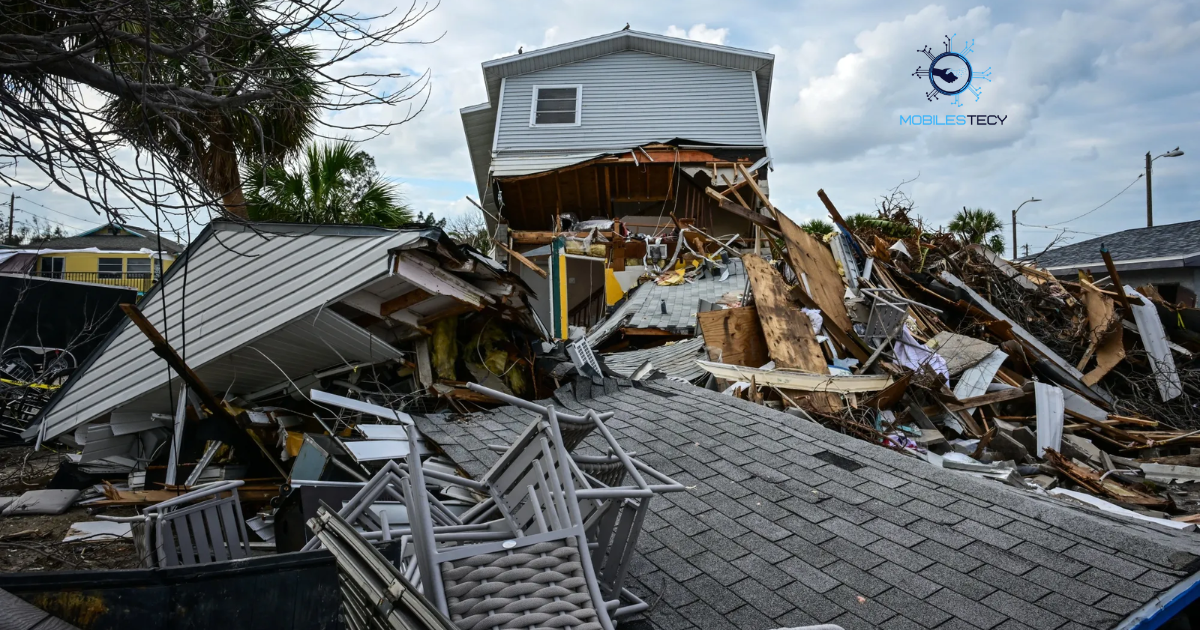
RCE in insurance stands for Replacement Cost Estimate for insured property. It determines the expense needed to repair or replace damaged property. Unlike actual cash value, RCE ignores depreciation when calculating compensation costs. Insurance policies often use RCE to ensure fair claims settlement procedures. Understanding RCE helps policyholders prevent financial loss after property damage occurs. Accurate RCE ensures coverage is sufficient to restore property fully without gaps.
Replacement Cost Estimate applies to homeowners, commercial property, and sometimes auto insurance policies. It is calculated based on materials, labor, location, and current market rates. Policyholders can update coverage periodically to reflect renovations or upgrades properly. Replacement cost protects insureds from paying extra out-of-pocket costs for damages. Insurance companies rely on RCE to determine premiums and manage financial risk.
Many drivers or property owners confuse Replacement Cost Estimate with actual cash value estimates. ACV subtracts depreciation, while RCE estimates total cost for full replacement. Choosing RCE ensures adequate protection, especially for newer or high-value assets. Proper understanding helps avoid disputes during claims between insurers and policyholders. It is vital to review insurance policies and confirm accurate replacement estimates.
Table of Contents
How Replacement Cost Estimate is Calculated in Insurance

RCE calculation begins with evaluating the property’s size, materials, and specifications. Insurers use databases and software to determine regional construction and labor costs. Rebuilding a home involves square footage, materials, local labor, and market factors. Labor shortages or regional price increases can affect replacement cost estimates significantly. Accurate measurements ensure sufficient compensation for repairs or full property replacement.
Asset quality and custom features impact the replacement cost estimate substantially. Higher-quality or custom-built properties often have elevated Replacement Cost Estimate compared to standard models. Insurance companies may adjust estimates based on building codes, upgrades, or compliance requirements. This ensures that restored property meets current legal and safety standards.
Policyholders influence RCE by reporting renovations, new purchases, or improvements promptly. Failure to update coverage may result in claims exceeding policy limits and costs. Insurers conduct audits or inspections periodically to verify policy adequacy and updates. Maintaining accurate RCE helps protect policyholders from unexpected out-of-pocket expenses. Reviewing and adjusting coverage ensures financial security during unforeseen losses or damages.
Importance of RCE in Insurance
RCE ensures claims settlements cover the full replacement of insured property. Without Replacement Cost Estimate, insurers might underestimate costs, leaving policyholders financially responsible unexpectedly. Accurate estimates prevent disputes between clients and insurance companies over claim amounts.
Insurers rely on Replacement Cost Estimate for underwriting, premium calculation, and risk management strategies. High Replacement Cost Estimate values typically correlate with higher premiums due to potential payout increases. Accurate cost estimation helps insurers remain solvent, particularly after regional disasters occur.
Replacement Cost Estimate vs Actual Cash Value

Replacement Cost Estimate differs from ACV because it ignores depreciation in cost calculations. ACV reduces the payout based on age, wear, and tear of the property. For example, a ten-year-old roof may have an ACV significantly lower than Replacement Cost Estimate. Replacement Cost Estimate ensures full compensation to replace property with similar type and quality. ACV may result in out-of-pocket expenses if repairs exceed the reduced payout. Policyholders must understand the difference to choose the best coverage option.
Choosing Replacement Cost Estimate over ACV provides more comprehensive coverage and financial security. Policyholders avoid gaps that could leave them paying for repairs personally. Many modern insurance policies emphasize Replacement Cost Estimate to enhance protection against total losses. While RCE policies may cost more, they prevent unexpected financial burdens after damage. ACV policies are cheaper but may not fully cover replacement costs in claims.
Insurers consider both Replacement Cost Estimate and ACV when designing policies and premiums. Replacement Cost Estimate leads to higher premiums but ensures total protection in case of damage. ACV policies reduce costs for low-risk properties but may create exposure gaps. Policyholders should compare benefits, costs, and coverage levels before finalizing their policy. Proper choice ensures coverage adequacy and reduces the likelihood of claims disputes.
Applications of Replacement Cost Estimate in Different Insurance Types
Replacement Cost Estimate is used to estimate rebuilding costs after fire, flood, or disasters. It ensures compensation matches current construction, materials, and labor prices accurately. Replacement Cost Estimate offers security by matching replacement expenses without deductions for depreciation. Understanding both types allows informed decisions based on individual property value and risk.
Full replacement coverage safeguards homeowners, businesses, and vehicle owners during damage events. Understanding Replacement Cost Estimate improves decision-making when selecting policy types and coverage levels. RCE reduces financial uncertainty for both insurers and policyholders during catastrophic events.
Factors Affecting Replacement Cost Estimate in Insurance
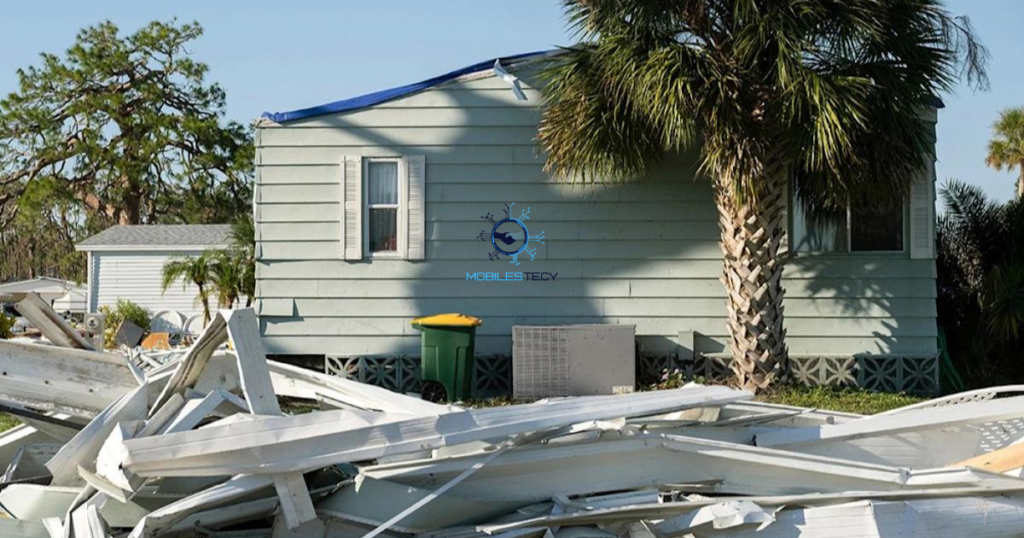
Material costs and labor rates directly influence replacement cost estimates. Construction or repair cost fluctuations impact RCE significantly across regions and time periods. Natural disasters may temporarily increase labor and material costs in affected areas. Policy type and limits affect RCE calculation and coverage applicability for claims. RCE enhances financial security and guarantees proper restoration after a covered loss.
RCE is applied in some cases for full replacement of vehicles. Especially relevant for newer or high-value vehicles requiring replacement with similar models. It ensures drivers can replace vehicles without incurring out-of-pocket losses. Incorrect estimates may lead to business interruption or insufficient coverage for repairs. RCE protects companies from financial strain and ensures continuity after property damage.
Location also plays a major role in determining RCE values for properties. Local building codes, zoning laws, and safety requirements influence reconstruction expenses. Insurers use location-specific data to calculate precise replacement cost estimates accurately. Policyholders must provide correct details about property location for proper assessment. Knowing the meaning and importance of Replacement Cost Estimate benefits both insurers and clients.
Common Misconceptions About RCE
Many people confuse Replacement Cost Estimate with actual cash value or market value. Replacement Cost Estimate is replacement-focused and does not deduct depreciation or resale value. Some assume Replacement Cost Estimate guarantees full payment regardless of policy limits, which is false. Policy limits may still cap payouts even if Replacement Cost Estimate exceeds coverage amount.
Policyholders may believe optional features or custom work are automatically included in Replacement Cost Estimate . Insurers may require documentation, appraisals, or endorsements to adjust the replacement estimate. Verifying coverage ensures accurate compensation and avoids coverage gaps during claims. Failure to understand these nuances can lead to underinsurance or denied claims.
- Replacement Cost Estimate estimates the total cost to repair or replace insured property.
- Unlike ACV, RCE does not consider depreciation or wear and tear.
- Accurate RCE prevents underinsurance and ensures fair claims settlement procedures.
- Material costs, labor, location, and policy type influence RCE calculations.
- Regular updates maintain replacement cost accuracy with changing market conditions.
Faq’s
What does Replacement Cost Estimate mean in insurance?
RCE stands for Replacement Cost Estimate used to calculate full replacement expenses.
How is Replacement Cost Estimate different from ACV?
ACV accounts for depreciation while Replacement Cost Estimate estimates the full replacement cost.
Why is Replacement Cost Estimate important for homeowners insurance?
It ensures homes can be rebuilt or repaired without out-of-pocket costs.
Can Replacement Cost Estimate change over time?
Yes, Replacement Cost Estimate changes due to fluctuating materials, labor, and regional construction costs.
Does Replacement Cost Estimate guarantee full payment for all losses?
No, payouts depend on policy limits, endorsements, and coverage terms.
Conclusion
Replacement Cost Estimate (RCE) is essential for proper insurance coverage and claims. It ensures insured property can be repaired or replaced without financial burden. Policyholders must understand RCE to avoid underinsurance and ensure adequate protection. Regular RCE updates prevent underinsurance that can leave owners financially vulnerable. Proper evaluation of assets reduces disputes and streamlines the claims process efficiently.
Replacement Cost Estimate calculation considers materials, labor, location, policy limits, and property upgrades. Reviewing and updating policies regularly maintains accurate replacement cost estimates effectively. Accurate RCE helps insurers and policyholders manage risk and avoid claim disputes. Understanding this distinction prevents unexpected financial responsibility after a claim occurs.
Choosing Replacement Cost Estimate coverage provides financial security for homeowners, businesses, and vehicle owners. It differs from ACV, providing higher protection without depreciation deductions during claims. Understanding and maintaining proper Replacement Cost Estimate ensures peace of mind and full restoration coverage. Accurate RCE ensures sufficient protection for homes, businesses, and high-value assets.
Read more latest Articles on Mobilestecy.com