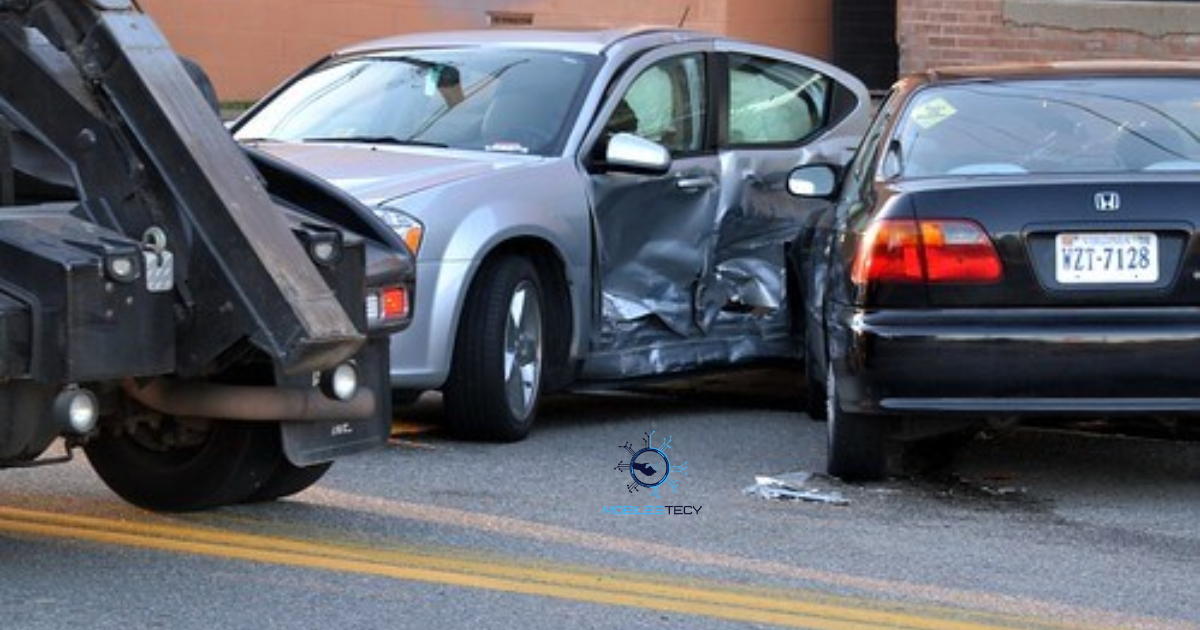
PLPD car insurance, also known as Personal Liability and Property Damage insurance, is a type of auto coverage designed to meet the minimum legal requirements in many U.S. states. It focuses on protecting drivers from financial losses if they cause injuries or property damage to others in an accident. PLPD does not cover the policyholder’s own vehicle, medical bills, or personal injuries.
Personal Liability and Property Damage insurance is primarily used by drivers who own older vehicles or want to maintain low-cost coverage. Many states allow PLPD as a minimum insurance option, particularly for drivers who do not require comprehensive or collision coverage. It is especially popular among drivers looking to save money while still meeting state insurance laws.
PLPD car insurance is different from full coverage auto insurance, which includes liability, collision, and comprehensive components. While full coverage protects the driver’s own car and other vehicles, PLPD strictly covers damages caused to others. It is a cost-effective alternative for low-risk drivers or those with inexpensive vehicles. Understanding the limits, exclusions, and requirements of PLPD ensures that drivers are compliant with state laws and financially prepared.
Table of Contents
Components of PLPD Car Insurance
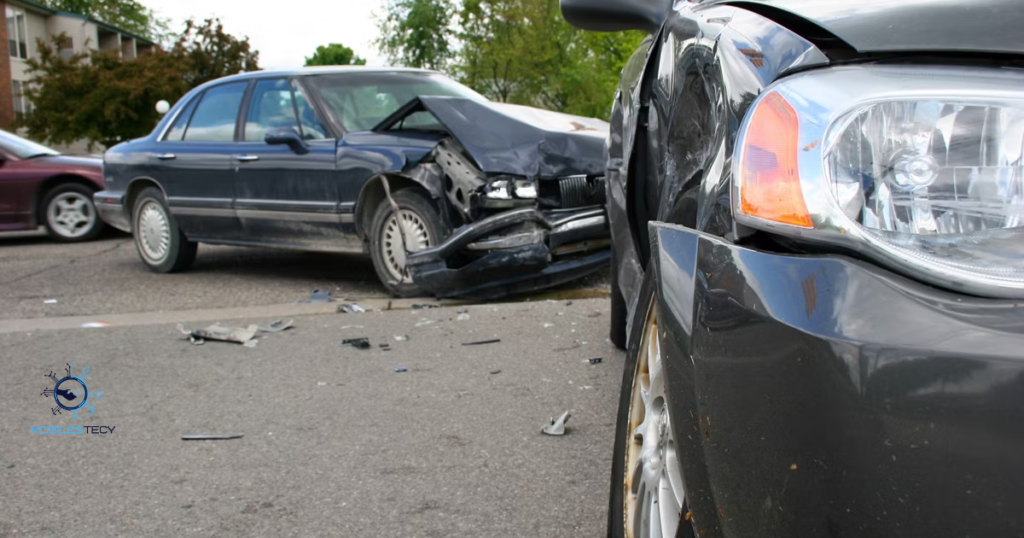
PLPD insurance includes two primary components: Personal Liability and Property Damage. Personal liability protects the insured driver if they cause bodily injury to another person. This coverage may pay for medical bills, lost wages, or legal expenses if the driver is sued. Property damage coverage protects against damage caused to another person’s vehicle or property during an accident.
Most PLPD policies set coverage limits for both bodily injury and property damage. Limits vary by state and insurance provider but typically include minimum requirements such as $10,000 per person for bodily injury, $20,000 per accident, and $5,000 for property damage. Drivers can choose higher limits to increase financial protection in case of serious accidents. Exceeding these limits may require paying out-of-pocket expenses for damages beyond coverage.
PLPD does not cover the policyholder’s own medical expenses, vehicle repair, or theft. To protect their own vehicle, drivers need additional coverage such as collision or comprehensive insurance. Drivers may also consider medical payments or personal injury protection to cover injuries sustained by themselves or passengers. Choosing PLPD alone is usually suitable for older or low-value vehicles where repair costs do not justify full coverage.
How PLPD Differs from Full Coverage Insurance
Full coverage insurance typically includes liability, collision, and comprehensive coverage. It protects both other drivers and the insured’s own vehicle from damages. PLPD is limited to protecting others from damages caused by the policyholder. It does not include repairs, theft, or medical coverage for the insured driver.
PLPD is generally more affordable than full coverage because it excludes expensive components. Premiums for PLPD are often lower due to the reduced financial risk for insurance companies. Older vehicles, drivers with a clean record, or budget-conscious individuals often select PLPD to save money.
Benefits of PLPD Car Insurance

PLPD car insurance is a cost-effective way to meet state-mandated liability requirements. Premiums are lower than full coverage policies, making it affordable for drivers with budget constraints. It ensures drivers comply with state laws and avoid fines, penalties, or license suspension. PLPD provides peace of mind knowing that others are financially protected in accidents. By focusing on liability and property damage, drivers receive essential protection without unnecessary extras.
Another benefit of PLPD is its simplicity. Policies are straightforward, making it easier to understand coverage limits, exclusions, and requirements. Claims processes for PLPD are generally faster since the insurance only addresses third-party damages. For drivers with older or low-value vehicles, PLPD avoids paying high premiums for coverage they may not need. Understanding the advantages of PLPD helps drivers determine if it suits their vehicle and financial situation.
PLPD car insurance also allows drivers to maintain minimum insurance coverage while planning for future upgrades. Drivers can start with PLPD for older vehicles and switch to full coverage as vehicle value or financial capacity increases. It encourages responsible driving and compliance with state laws. Being aware of the coverage limits and potential gaps allows drivers to make informed insurance decisions.
Who Should Consider PLPD Car Insurance?
Drivers with older vehicles that have low market value often benefit from PLPD coverage. The cost of full coverage may exceed the value of the vehicle, making PLPD a practical choice. Budget-conscious drivers who want to save money while meeting state requirements may prefer PLPD.
Students, new drivers, or individuals who only drive occasionally may also consider PLPD. It provides legal protection while keeping insurance costs minimal. For vehicles that are not financed, PLPD may be sufficient to meet legal obligations. However, drivers should evaluate their ability to cover out-of-pocket repairs if the vehicle is damaged.
Limitations and Considerations of PLPD
One major limitation of PLPD is that it does not cover repairs or replacement of the insured’s vehicle. Drivers must pay out-of-pocket for collision, comprehensive, theft, or mechanical damage. Medical expenses for the insured or passengers are also excluded. Policyholders must consider these gaps when choosing coverage for older or low-value cars. Understanding these limitations ensures drivers are not caught unprepared after an accident.
Another consideration is the potential for legal exposure. If an accident causes damages exceeding the policy limits, the driver may be personally responsible for paying the difference. Higher limits or supplemental coverage can mitigate this risk. Drivers should evaluate their financial capacity to handle damages beyond the policy limits. Being aware of these considerations helps drivers make informed decisions about their insurance needs.
PLPD is not suitable for new, expensive, or financed vehicles. Lenders and leasing companies usually require full coverage, including collision and comprehensive insurance. Drivers with high-value vehicles may face significant out-of-pocket expenses with PLPD alone. It is important to assess vehicle value, state laws, and personal financial capacity before choosing PLPD coverage. Making informed decisions helps avoid future financial hardship and ensures adequate protection.
Cost Factors for PLPD Car Insurance
PLPD premiums are generally lower than full coverage, but costs vary based on several factors. Driver age, driving record, vehicle type, location, and mileage all affect premiums. Discounts may be available for safe driving, bundling policies, or low annual mileage. Comparing multiple insurance providers helps ensure the most competitive rates.
Policy limits also affect premium rates. Higher limits increase protection but result in higher premiums. Choosing appropriate coverage limits depends on financial capacity and risk tolerance. Evaluating these costs ensures drivers are not underinsured in case of serious accidents.
- PLPD insurance covers liability for bodily injury and property damage only.
- It is a cost-effective way to meet state-mandated insurance requirements.
- Premiums are generally lower than full coverage policies.
- Ideal for older vehicles, low-value cars, or budget-conscious drivers.
- Provides financial protection to third parties in case of an accident.
Faq’s
What does PLPD stand for in car insurance?
It stands for Personal Liability and Property Damage, covering third-party damages.
Does PLPD cover my own vehicle?
No, PLPD only covers damages caused to other people or property.
Is PLPD legal in all states?
Most states accept PLPD as minimum coverage, but requirements vary by state.
Who should consider PLPD insurance?
Drivers with older, low-value vehicles or budget-conscious individuals may consider PLPD.
Does PLPD cover medical expenses for the driver?
No, PLPD does not cover the insured driver’s or passengers’ medical costs.
Conclusion
PLPD car insurance is a cost-effective, minimum liability coverage that protects drivers from third-party damages. It includes Personal Liability and Property Damage but does not cover the policyholder’s own vehicle or medical expenses. PLPD is ideal for older vehicles, low-risk drivers, or budget-conscious individuals who want to meet state insurance requirements. Understanding its limitations, coverage gaps, and state regulations is essential for informed insurance decisions.
Choosing PLPD car insurance can save money on premiums while maintaining legal compliance. Supplemental coverage, higher limits, or extended insurance plans may be necessary for comprehensive protection. Drivers should compare providers and evaluate the potential risks before selecting PLPD car insurance. Being aware of exclusions ensures preparedness for accidents and financial obligations.
Drivers should review their policy regularly and consider upgrades as vehicle value or financial capacity changes. Understanding the differences between PLPD and full coverage helps avoid surprises during an accident. Maintenance of legal documentation and proof of insurance is essential to remain compliant. Evaluating coverage options allows drivers to balance affordability with adequate protection.
Read more latest Articles on Mobilestecy.com