

A dog health certificate is an official document issued by licensed veterinarians that confirms the health status of a dog, showing it is vaccinated, disease-free, and fit for travel, adoption, boarding, or participation in events. Dogs traveling across borders often require this veterinary certificate to comply with airline, border, or quarantine regulations, confirming vaccinations, microchip information, and overall fitness for transport or interaction.
Dog health certificates are important for international, interstate, and domestic travel, helping authorities protect public health and prevent disease spread, particularly contagious illnesses such as rabies, parvovirus, or kennel cough. Airlines and travel authorities often check these certificates to ensure dogs are fit to fly, while adoption agencies verify the dog’s health status before rehoming to new owners.
A dog health certificate typically includes the dog’s identification details, vaccination history, and results of a physical examination conducted by a licensed veterinarian, serving as legal proof of health and fitness. It confirms that a dog is free from contagious diseases, up-to-date on required vaccinations, and fit for travel, adoption, boarding, or group activities.
Table of Contents
Purpose and Importance of a Dog Health Certificate
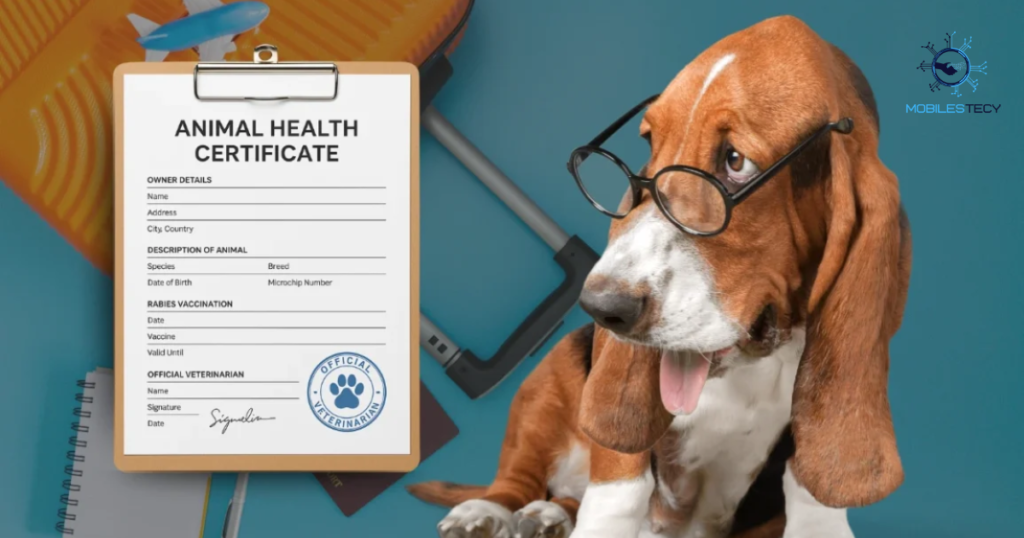
A dog health certificate ensures a dog is healthy, vaccinated, and fit for travel, boarding, adoption, or participation in shows, protecting the dog, humans, and other animals from contagious illnesses, while also serving as legal documentation of responsible ownership. Certificates are especially important for international travel, where rabies vaccination, microchip identification, and health verification are required, and failure to comply may result in quarantine, fines, or denial of entry.
Certificates play a critical role in protecting public health and promoting animal welfare, helping prevent the spread of diseases such as rabies, parvovirus, and bordetella. Regular issuance and validation of certificates demonstrate responsible pet ownership, encouraging preventive care and veterinary visits, which support long-term dog health. Compliance with local, state, and international regulations ensures smooth dog transport, legal protection, and safe access to boarding facilities or events.
The certificate also promotes awareness among dog owners about health, preventive care, and legal requirements, encouraging proper veterinary monitoring and vaccinations. It protects communities by reducing the risk of contagious diseases spreading to humans or other animals. Veterinarians assess overall fitness, weight, physical condition, and detect signs of illness before issuing the certificate.
Key Information Included in a Dog Health Certificate
A dog health certificate contains the dog’s identifying information, including name, breed, age, sex, and microchip number, providing clear verification for authorities or facilities. It lists vaccinations, including rabies, distemper, parvovirus, and bordetella, confirming the dog is protected from common contagious diseases.
The certificate also includes results from a veterinarian’s physical examination, checking weight, temperature, heart rate, external parasites, and overall health. Based on the examination, the licensed veterinarian certifies the dog is healthy and fit for the intended purpose, signing and stamping the document to ensure authenticity.
Requirements for Obtaining a Dog Health Certificate

To obtain a dog health certificate, pet owners must schedule an appointment with a licensed veterinarian who will review vaccination history and perform a thorough physical examination to ensure the dog is healthy and free from contagious diseases. Dogs must generally be up-to-date on vaccinations, deworming, and parasite prevention, and some facilities or countries may require microchip identification for proper tracking and verification.
It is essential for pet owners to research airline policies, border regulations, and kennel requirements before scheduling a veterinary visit, as international travel often has stricter rules than domestic travel. Ensuring all documentation is complete, accurate, and issued by a licensed veterinarian helps avoid delays, legal issues, or refusal of entry. Certificates provide evidence that the dog meets vaccination, identification, and health requirements, which are necessary for both legal and practical purposes.
Veterinarians provide the certificate after confirming the dog’s fitness for transport, adoption, or participation in activities, reviewing vaccination records and conducting a detailed physical examination. Owners should prepare the dog by gathering medical records, ensuring good hygiene, and maintaining calm behavior during the visit to facilitate examination.
Preparing Your Dog for a Health Examination
Gather vaccination records and any prior medical history to provide the veterinarian full information for assessment. Ensure the dog is free from illness or visible injury to avoid examination delays. Grooming and parasite removal prior to the visit make the evaluation smoother and more accurate.
Maintain a calm and stress-free environment during the visit by bringing familiar toys, treats, or a blanket for comfort. Pet owners should follow all pre-appointment guidelines to allow accurate assessment and proper documentation. The veterinarian will perform a thorough physical exam to determine fitness for travel, adoption, or boarding.
Common Uses and Legal Considerations

Dog health certificates are required for airlines, border authorities, quarantine officials, kennels, daycare centers, adoption agencies, and dog shows to verify health, vaccinations, and fitness for participation. Certificates prevent the spread of contagious diseases and ensure safe environments for dogs, humans, and other animals. International travel may require additional tests, microchip verification, and vaccinations specific to the destination country.
Many boarding facilities, daycare centers, and kennels mandate certificates to protect resident animals from contagious illnesses, ensuring a controlled and safe environment. Adoption agencies require certificates to verify the dog’s health before placement in new homes, protecting both the dog and prospective owners. Dog shows and competitions frequently request certificates to prevent disease outbreaks and protect participants from infection.
Legal requirements vary by state, country, and facility, making research and preparation essential for pet owners. Certificates demonstrate compliance with local, national, and international regulations and serve as legal proof of vaccination and health. Veterinarians issue certificates only after thorough examinations and review of vaccination and medical records to ensure authenticity.
Maintaining a Valid Dog Health Certificate
Keep both digital and physical copies of the certificate for verification by authorities, airlines, or facilities. Check expiration dates regularly and renew certificates before travel, boarding, or adoption events to ensure validity..
Ensure all signatures, stamps, and information on the certificate are clear and authentic to prevent verification issues. Make multiple copies to prevent loss or damage during travel or facility visits. Follow ongoing preventive care and vaccinations to maintain dog health and certificate validity.
- A dog health certificate verifies that the dog is vaccinated and disease-free.
- It is required for travel, adoption, boarding, or participation in dog shows.
- Certificates include vaccination history, physical examination, and identifying information for verification.
- Validity is usually limited to 10–30 days depending on regulations and authorities.
- Compliance ensures legal, safe, and smooth transport or access to facilities.
Faq’s
How long is a dog health certificate valid for travel purposes?
Certificates are usually valid for 10–30 days depending on local regulations.
Do all boarding facilities require a dog health certificate?
Most kennels, daycare centers, and adoption agencies require current certificates.
Can a dog travel internationally without a certificate?
No, airlines and countries mandate a valid certificate for entry.
What vaccinations are typically listed on a health certificate?
Rabies, distemper, parvovirus, bordetella, and other region-specific vaccines.
Who is authorized to issue a dog health certificate legally?
Only a licensed veterinarian can examine and certify the dog officially.
Conclusion
A dog health certificate is an essential document that verifies a dog’s overall health, vaccinations, and fitness for travel, adoption, boarding, or participation in shows, protecting dogs, other animals, and humans from contagious diseases. Certificates ensure compliance with local, national, and international regulations, helping pet owners avoid fines, quarantine, or denial of entry, while maintaining responsible ownership practices.
Veterinarians perform thorough physical examinations and review vaccination history before issuing certificates, ensuring authenticity and accuracy. Pet owners should prepare dogs properly, gather all medical documentation, and follow veterinary guidance to guarantee the certificate is valid. Proper signatures, stamps, and up-to-date records are essential for acceptance by authorities, facilities, or travel services.
Renewing certificates before expiration, updating vaccinations, and following preventive care guidelines maintain long-term dog health and compliance with regulations. Pet owners should retain digital and physical copies and research local, national, and international requirements before travel or facility access. Certificates are legal documents that serve as proof of vaccination, identification, and fitness for dogs.
Read more latest Articles on Mobilestecy.com