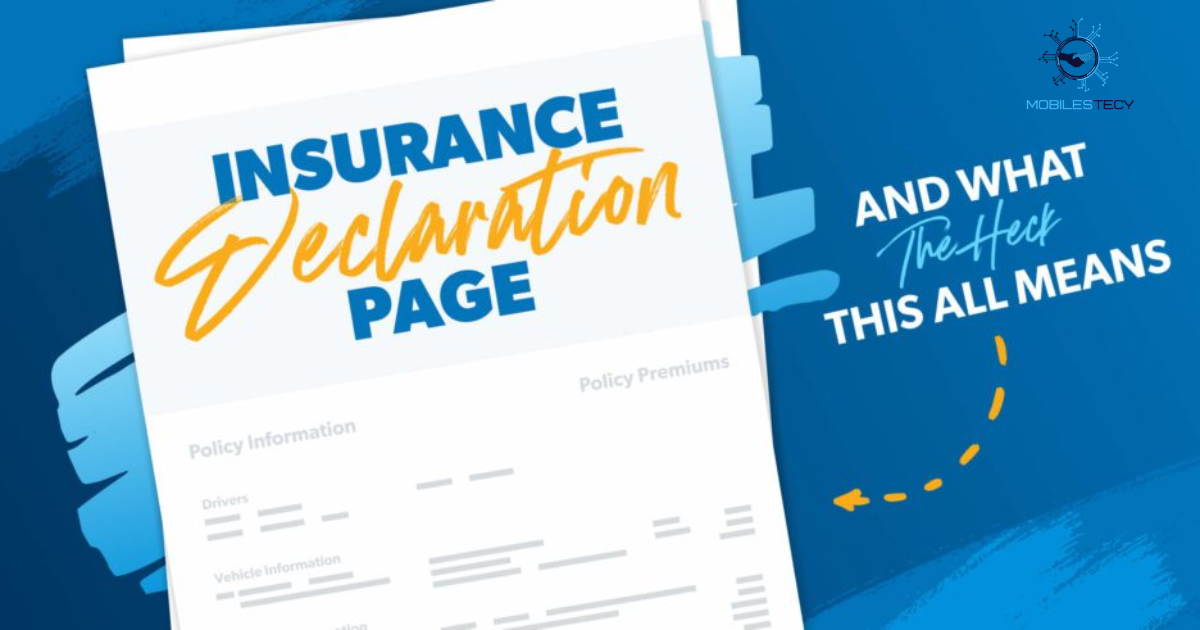
A declaration page summarizes key information about an auto insurance policy clearly. It is often referred to as the “dec page” for short. The dec page contains details about coverage, limits, and policyholder responsibilities. Understanding this page ensures accurate coverage and prevents confusion during insurance claims. Many policyholders overlook the declaration page, but it is extremely important.
The declaration page lists all vehicles covered by the insurance policy in detail. Vehicle information includes make, model, year, and identification numbers for clarity. It also includes coverage types such as liability, collision, and comprehensive protection. Each coverage type shows limits, deductibles, and optional benefits for easy understanding. The dec page is a quick reference guide for policyholders in emergencies.
Premiums, policy periods, and named insureds are also included on the declaration page. Accurate information ensures policyholders comply with legal requirements for vehicle registration. Insurance companies provide updated dec pages whenever policy changes occur for accuracy. Keeping copies of dec pages ensures quick reference during claims or disputes. The dec page helps policyholders verify that their coverage meets expectations.
Table of Contents
Key Components of a Declaration Page

The policyholder section lists name, address, and contact information accurately. This ensures communication with the insurance company regarding claims or updates. Accurate details also prevent delays in processing claims after accidents occur. The dec page provides contact details for the insurance agent assigned. Both phone numbers and email addresses are commonly included for convenience.
Vehicle information includes all cars, trucks, and motorcycles insured under the policy. Each vehicle’s make, model, year, and vehicle identification number is listed clearly. This prevents confusion if multiple vehicles are insured under one policy. Policyholders should verify accuracy to ensure all vehicles are properly protected. Errors in vehicle details can result in denied claims or disputes. Checking vehicle information is essential when adding new cars to coverage.
Coverage types include liability, collision, comprehensive, uninsured motorist, and medical payments. Optional coverages such as roadside assistance or rental reimbursement may also appear. Coverage limits are listed, showing maximum amounts payable for each type. Deductibles for collision or comprehensive coverage indicate out-of-pocket costs before reimbursement. Knowing deductibles helps policyholders plan financial responsibility in case of accidents.
Named Insureds and Drivers
The declaration page lists the primary policyholder legally responsible for the insurance policy. Additional drivers authorized to operate the insured vehicles are also included. Correct listing of drivers prevents denied claims if an accident occurs. Driver details may include age, license number, and relationship to the policyholder.
Contingent beneficiaries or authorized users may also be included in some policies. Including all necessary drivers ensures coverage is valid during any permitted use. Policyholders should update the dec page after life changes such as marriage. Removing outdated drivers avoids disputes if they are involved in accidents later.
Policy Period, Premiums, and Limits
The dec page lists the effective start and end dates of coverage clearly. Knowing the policy period ensures the insured remains protected without any coverage gaps. Insurance companies typically issue policies for six or twelve months at a time. Renewal notices often accompany the dec page to maintain continuous protection. Policyholders should check dates carefully to avoid lapses in insurance coverage.
Premium amounts are displayed with payment schedules and due dates for transparency. Policyholders can plan budgets by understanding how much is owed and when. Some dec pages include a breakdown of costs for each vehicle insured. Additional fees or surcharges may also appear, showing the total payable premium. Understanding premiums ensures payments are made on time to maintain coverage.
Coverage limits indicate the maximum amount the insurer will pay for claims. Limits are shown for liability, collision, comprehensive, and optional coverages as applicable. Policyholders should review limits to ensure they meet personal financial protection needs. Low limits can result in out-of-pocket expenses if claims exceed coverage. Reviewing limits also helps determine whether additional coverage or higher limits are necessary.
Optional Coverages
Optional coverages provide additional benefits beyond standard auto insurance protection. Roadside assistance covers emergency services like towing, battery replacement, or tire changes. Rental reimbursement helps pay for a temporary vehicle while repairs are completed. Gap insurance covers the difference between actual car value and loan balance.
Optional coverages often vary by state or insurance provider rules. Including optional protections on the dec page ensures policyholders know exactly what is covered. Not all optional coverages are automatic; some require extra payment or endorsements. Reviewing these options helps maximize protection while controlling costs effectively.
Updates and Importance of the Declaration Page

The dec page is updated whenever policy changes occur or coverage is adjusted. Changes may include adding or removing vehicles, drivers, or modifying deductibles. Insurance companies provide updated dec pages to keep records accurate and current. Policyholders should review updates to verify all information is correct and complete. Errors or outdated information may lead to denied claims or disputes.
The declaration page is often required as proof of insurance by authorities. Law enforcement, vehicle registration offices, or financial institutions may request it frequently. An accurate dec page ensures compliance with legal requirements and quick verification. It is also a useful reference during insurance claims or accident investigations. Policyholders should carry a copy or have digital access for convenience.
The dec page helps policyholders understand their rights and responsibilities under the policy. Reviewing it regularly prevents coverage gaps and financial surprises after accidents. Accurate information ensures proper claim processing without unnecessary delays or disputes. Being proactive about updates protects both the policyholder and listed drivers. Understanding each component helps in budgeting and financial planning for insurance needs.
Common Misconceptions
Some policyholders believe the dec page replaces the full policy document entirely. In reality, the full policy contains detailed terms, conditions, and exclusions not summarized on the dec page. Another misconception is that coverage automatically updates without official policy changes or endorsements.
Policyholders must request changes formally to ensure the dec page reflects current coverage. Relying solely on the dec page without reviewing the full policy can be risky. Understanding these distinctions ensures proper insurance management and prevents future disputes. Policyholders who know their dec page details experience smoother interactions with insurers.
- The declaration page summarizes all key details of the auto insurance policy.
- It includes policyholder, vehicle information, coverage types, limits, and deductibles.
- Accurate updates prevent disputes, denied claims, or lapses in coverage effectiveness.
- Optional coverages are listed on the dec page with associated costs.
- Reviewing the dec page ensures compliance with legal and personal protection needs.
Faq’s
What is a declaration page for auto insurance?
It summarizes key details like coverage, vehicles, limits, and insured information clearly.
Does the dec page replace the full insurance policy?
No, it only summarizes information; the full policy contains terms and exclusions.
Why is the declaration page important for policyholders?
It provides proof of insurance, coverage details, and quick reference for claims.
How often is the declaration page updated?
Updates occur whenever changes are made to vehicles, drivers, coverage, or premiums.
Can the dec page help during accident claims?
Yes, it provides coverage limits, deductibles, and contact information for insurers.
Conclusion
The declaration page is a vital document summarizing key details of auto insurance. It ensures policyholders understand coverage types, limits, deductibles, and vehicle information clearly. Regularly reviewing the dec page prevents coverage gaps and financial surprises during accidents or claims. Reviewing it regularly helps ensure insurance meets personal protection needs effectively.
Updated declaration pages provide proof of insurance for law enforcement, registration authorities, and financial institutions. Policyholders should verify all information for accuracy, including vehicles, drivers, and coverage limits. Accurate dec pages ensure proper claims processing and smooth interactions with insurance providers. Keeping these details updated ensures important notifications are not missed by policyholders.
Understanding optional coverages and premium details helps policyholders make informed decisions. Keeping copies of the dec page or digital access ensures quick reference in emergencies. Being familiar with the dec page ensures financial protection, legal compliance, and effective management of auto insurance. Policyholders can decide whether optional benefits are necessary based on personal needs.
Read more latest Articles on Mobilestecy.com