
Fingernails are small details that quietly reflect important internal health signals. Doctors often examine nails because they change during illness or deficiency. Color texture and shape shifts may reveal underlying medical or nutritional problems. Because nails grow slowly they record long term changes inside body. Understanding nail signs helps people detect health issues earlier. These visible clues often appear before other physical symptoms develop.
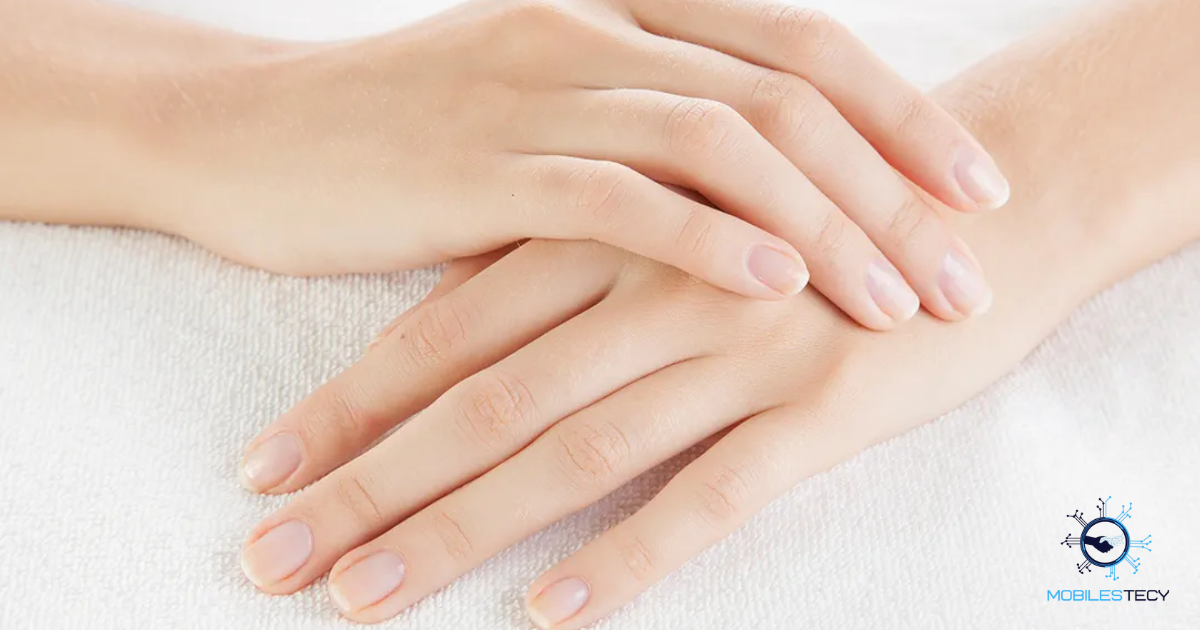
Healthy fingernails usually appear smooth strong and slightly pink in color. They grow evenly without pain discoloration ridges or unusual surface marks. Minor changes can happen but persistent ones deserve closer medical attention. Nails often respond to circulation oxygen hormones and nutrient availability. Observing them regularly supports preventive and proactive personal healthcare. Consistent nail health often reflects balanced internal body functions.
Many people overlook fingernails changes assuming they are cosmetic or harmless. However fingernails often warn about chronic diseases or hidden deficiencies. Early awareness allows timely lifestyle changes or professional diagnosis. Simple observation can complement routine health monitoring effectively. Your fingernails may be sending messages worth listening carefully. Ignoring these signs can delay necessary medical attention.
Table of Contents
Nail Color Changes and Health Meanings
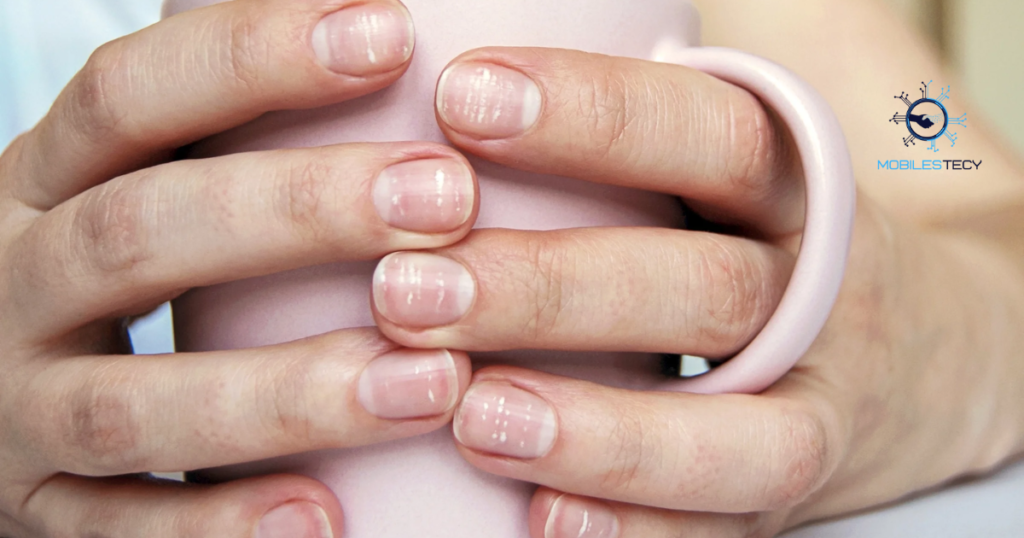
Nail color is often the first visible sign of internal health conditions. Healthy nails show a consistent pink tone with natural white tips. Discoloration may suggest circulation problems infections or organ disorders. Sudden or persistent color changes should never be ignored casually. They often indicate issues developing beneath the surface. Color changes may appear gradually over weeks or months. Tracking changes helps identify abnormal patterns early.
Pale nails can reflect anemia heart disease or reduced blood circulation. White nails may indicate liver disease diabetes or chronic systemic conditions. Yellow nails often suggest fungal infections or respiratory disorders. Blue or purple nails may signal low oxygen levels in blood. Dark streaks could indicate serious skin conditions needing urgent evaluation. Some color changes worsen without treatment. Medical consultation ensures accurate interpretation.
Color changes usually develop gradually rather than overnight. They may appear alongside fatigue weakness or breathing difficulties. Monitoring nail color alongside symptoms improves early detection chances. Consulting healthcare providers ensures accurate diagnosis and treatment. Visual nail cues are valuable but should never replace medical testing. Clinical tests confirm suspected health concerns. Early diagnosis improves treatment outcomes.
Nail Infections and Immune Health
Fungal infections cause thickened discolored brittle or crumbly nails. They develop slowly and often spread without proper treatment. Bacterial infections cause redness swelling pain or pus near nail beds. Frequent infections may suggest weakened immune system defenses. Infections can affect nail structure permanently. Early treatment limits complications.
Poor hygiene moisture and repeated trauma increase infection risk. Prompt treatment prevents permanent nail damage or spread. Maintaining clean dry nails supports infection prevention. Medical evaluation is necessary for persistent or worsening symptoms. Chronic infections may indicate underlying health issues. Professional care ensures complete recovery.
Nail Shape Texture and Growth Patterns
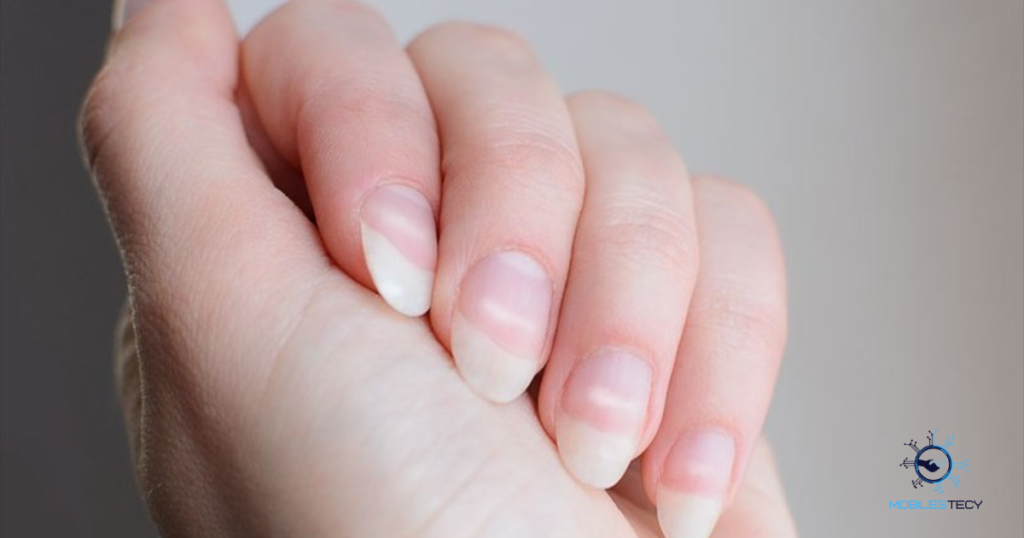
Nail shape provides insight into long term oxygen and nutrient supply. Healthy nails grow straight with balanced thickness and smooth edges. Distortions often signal chronic conditions affecting circulation or metabolism. Shape changes usually develop slowly over months or years. They should be evaluated when accompanied by other symptoms. Shape variations often indicate systemic imbalance. Monitoring progression is essential.
Clubbing causes fingertips to enlarge and nails curve downward significantly. It is linked with lung heart or digestive system disorders. Spoon shaped nails may suggest iron deficiency or thyroid imbalance. Thin flat nails may reflect protein deficiency or circulation problems. Each shape variation has specific health associations. Shape abnormalities rarely occur without cause. Medical assessment helps identify triggers.
Growth rate also reflects overall physical condition and metabolic activity. Slow growth may indicate aging poor nutrition or chronic illness. Rapid growth can occur during pregnancy or improved health periods. Sudden growth changes may signal hormonal or lifestyle shifts. Nails act as timelines recording internal physiological changes. Growth patterns reveal past health events. Observation offers valuable insights.
Stress Illness and Nail Surface Changes
Horizontal ridges appear when nail growth temporarily stops. Severe illness surgery fever or stress may cause these lines. They reflect physical strain experienced during specific time periods. Multiple ridges suggest repeated health disruptions. Ridges mark periods of bodily stress.
Pitting creates small dents often linked to autoimmune conditions. Psoriasis eczema and alopecia are common causes. Texture changes often accompany skin or immune disorders. Dermatological evaluation helps identify underlying causes. Early diagnosis prevents progression.
Nutritional Deficiencies and Chronic Disease Indicators
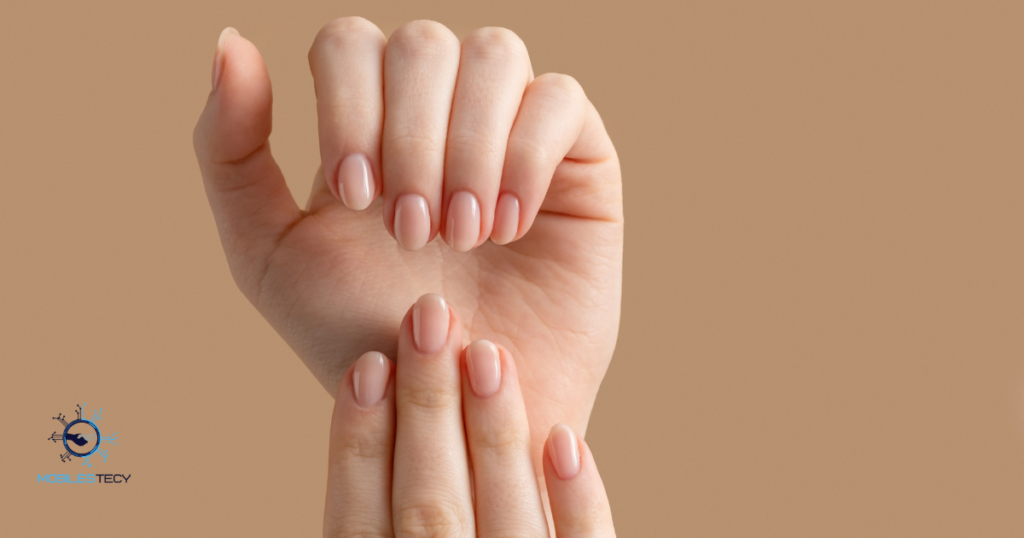
Nutrient deficiencies are among the most common causes of nail abnormalities. Nails require vitamins minerals protein and hydration for healthy formation. Deficiencies disrupt keratin production causing weakness or deformities. Diet quality directly affects nail strength appearance and growth. Balanced nutrition supports visible nail health. Long term deficiency worsens damage. Dietary correction restores strength.
Iron deficiency often causes pale brittle or spoon shaped nails. Zinc deficiency may lead to white spots and slow nail growth. Biotin deficiency causes splitting peeling and increased nail fragility. Protein deficiency results in thin weak easily damaged nails. Vitamin B deficiencies create ridges discoloration or surface changes. Supplementation helps reverse symptoms. Professional guidance ensures safety.
Chronic diseases frequently display warning signs through nail appearance. Diabetes may cause yellowing slow growth and recurring infections. Thyroid disorders alter nail strength thickness and growth speed. Kidney disease may produce half white half dark nail beds. Recognizing these signs supports earlier disease management. Nails provide visible alerts. Early care reduces complications.
Lifestyle Habits Affecting Nail Health
Frequent chemical exposure weakens nails and causes brittleness. Excessive water contact leads to splitting and peeling. Nail biting damages nail beds and increases infection risk. Poor hydration reduces nail flexibility and resilience. Lifestyle habits directly impact nail health. Small changes create improvement.
Protective gloves help reduce chemical and water damage. Regular moisturizing improves nail and cuticle strength. Healthy habits reflect positively in nail appearance. Lifestyle changes support long term nail health. Consistency is key for results. Care routines enhance durability.
- Fingernails reflect nutrition circulation oxygen levels and chronic health conditions
- Persistent nail changes should always be evaluated by medical professionals
- Nail color shape texture and growth provide important diagnostic clues
- Balanced diet supports strong healthy nail development
- Regular observation helps identify early warning signs
Faq’s
What do pale fingernails usually indicate?
Pale fingernails often suggest anemia heart issues or poor circulation.
Are white spots on nails dangerous?
White spots usually indicate minor zinc deficiency or nail trauma.
Can stress affect fingernail appearance?
Yes stress can cause ridges slow growth and surface irregularities.
Do fingernails grow slower during illness?
Yes illness often slows growth due to metabolic disruption.
When should nail changes concern me?
Seek medical advice if changes persist worsen or appear suddenly.
Conclusion
Fingernails provide valuable insight into internal health conditions. They reflect nutrition circulation oxygen levels and chronic disease. Small visible changes may signal larger underlying issues. Paying attention encourages early diagnosis and prevention. Nails should never be ignored during health assessments. Awareness promotes proactive care. Observation saves time and effort.
While not every change indicates serious illness awareness remains important. Persistent abnormalities deserve professional medical evaluation. Healthy nails usually accompany balanced lifestyle habits. Nutrition hydration and care play vital roles. Prevention begins with observation and informed action. Consistent care improves outcomes. Healthy habits protect nails.
By understanding what fingernails reveal individuals gain proactive health awareness. Simple daily observation supports long term wellbeing. Healthy nails often reflect healthy internal systems. Listening to bodily signals empowers better healthcare decisions. Your fingernails tell stories worth noticing. These stories guide preventive action. Awareness leads to healthier living.
Read more latest Articles on Mobilestecy.com