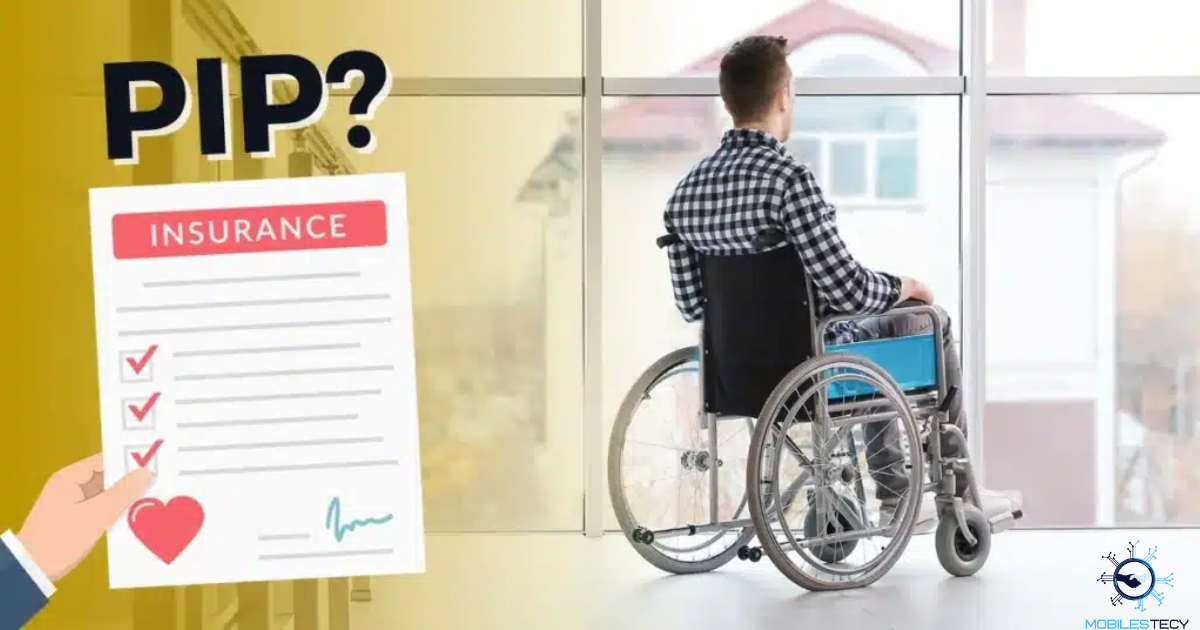
Personal Injury Protection insurance helps drivers manage unexpected medical costs after accidents. It provides immediate financial support regardless of who caused the collision. Many drivers misunderstand coverage details and benefits included within PIP policies. Understanding PIP insurance ensures better decisions when selecting auto insurance coverage. This guide explains coverage, benefits, limits, and practical considerations clearly.
PIP insurance plays a key role in no-fault insurance states nationwide. It focuses on fast compensation rather than lengthy fault determination processes. Policyholders receive benefits quickly, helping reduce stress after serious accidents. Medical care, income loss, and essential services are commonly included benefits. Knowing how PIP works protects both finances and personal wellbeing.
Drivers often confuse PIP insurance with medical payments or liability coverage. Each coverage serves different purposes within an auto insurance policy. PIP follows the insured person rather than the specific vehicle involved. Coverage may apply while driving, riding, walking, or cycling. Learning these distinctions helps maximize insurance protection effectively.
Table of Contents
What Medical Expenses Does PIP Insurance Cover

PIP insurance primarily covers medical expenses resulting from auto accident injuries. Emergency room visits, hospital stays, and surgeries are typically included. Diagnostic tests like X-rays and MRIs are usually covered. Follow-up visits, rehabilitation, and physical therapy often qualify. Coverage applies regardless of who caused the accident.
Prescription medications related to accident injuries are commonly covered. Chiropractic care and necessary rehabilitation treatments may qualify. Ambulance transportation costs are often included under PIP coverage. Mental health counseling after accidents may be covered in some states. Coverage limits depend on state laws and policy selections.
PIP coverage often involves minimal deductibles or none at all. This allows injured individuals to receive immediate medical treatment. Patients avoid delays caused by insurance disputes or fault determinations. Quick access to care supports faster recovery and reduced complications. Medical coverage remains PIP’s most valuable benefit for many drivers.
PIP Insurance vs Other Auto Insurance Coverages
PIP insurance differs significantly from bodily injury liability coverage. Liability insurance pays others when you cause an accident. PIP pays your expenses regardless of fault. Both coverages serve different but complementary purposes.
Medical Payments coverage resembles PIP but offers fewer benefits. MedPay usually covers only medical expenses. PIP includes lost wages and essential services. Coverage limits for PIP are typically higher.
How PIP Insurance Covers Lost Wages and Services

PIP insurance helps replace income lost due to accident-related injuries. If injuries prevent working, PIP pays a percentage of wages. Coverage typically ranges between sixty and eighty percent of income. Benefits continue until recovery or policy limits are reached. This support helps families maintain financial stability. Even insured individuals benefit from PIP wage replacement.
Self-employed individuals may also qualify for lost income benefits. Documentation of earnings is usually required for claim approval. Some policies include compensation for reduced future earning capacity. This applies when injuries permanently affect working ability. Coverage terms vary by state and insurer. Families often benefit from essential services coverage.
PIP also covers essential services the injured person cannot perform. These services include childcare, cleaning, cooking, and household maintenance. Transportation assistance for medical appointments may also qualify. Hiring outside help becomes affordable through PIP benefits. This coverage reduces everyday burdens during recovery.
Is PIP Insurance Worth Carrying
PIP insurance benefits drivers without strong health coverage. It also helps those lacking disability or paid leave benefits. Immediate payments reduce financial strain after accidents. Many drivers find PIP coverage worthwhile.
Choosing appropriate limits is extremely important. Medical expenses can quickly exceed minimum coverage amounts. Higher limits offer stronger financial protection. Policy customization depends on state laws.
Additional Benefits and Coverage Limitations of PIP

PIP insurance may cover funeral and burial expenses after fatal accidents. This benefit helps reduce financial stress for surviving family members. Coverage amounts are limited but provide meaningful assistance. Funeral benefits vary widely depending on state regulations. Policy details should always be reviewed carefully.
Passengers in the insured vehicle are often covered by PIP. Family members, friends, or authorized occupants may qualify. PIP may also cover policyholders injured as pedestrians or cyclists. Coverage generally follows the person, not only the vehicle. State laws determine eligibility rules. Income stability and family responsibilities matter greatly.
PIP does not cover vehicle repairs or property damage costs. It also excludes pain, suffering, and emotional distress compensation. Those damages require liability claims or lawsuits. Certain activities like racing may void coverage. Understanding exclusions prevents unexpected claim denials. Higher earners may need larger wage replacement benefits.
Key Considerations Before Choosing PIP Coverage
State requirements determine whether PIP coverage is mandatory. Some states allow drivers to reject or limit PIP. Understanding local laws is essential before selecting coverage. Insurance agents can explain state-specific rules.
Reviewing policy exclusions prevents unpleasant surprises later. Understanding claim processes ensures smoother reimbursements. Comparing insurers helps find better coverage options. Informed decisions lead to better protection.
- Covers medical expenses regardless of accident fault determination.
- Provides partial income replacement during injury recovery periods.
- Pays for essential household and caregiving services.
- Covers passengers and sometimes pedestrians or cyclists.
- Offers fast payments without lengthy legal processes.
Faq’s
What does PIP insurance primarily cover?
PIP insurance covers medical expenses, lost wages, and essential services. Coverage applies regardless of who caused the accident.
Is PIP insurance required in every state?
PIP is mandatory only in no-fault insurance states. Other states may offer it as optional coverage.
Does PIP cover passengers in my vehicle?
Yes, PIP usually covers passengers injured in your vehicle. Coverage rules vary depending on state laws.
Can PIP coverage replace health insurance?
PIP supplements health insurance but does not fully replace it. Coverage limits may be lower than medical costs.
Does PIP cover pain and suffering damages?
No, PIP does not cover pain and suffering. Those damages require liability claims or lawsuits.
Conclusion
Personal Injury Protection insurance provides vital financial support after auto accidents. It ensures immediate medical care without waiting for fault decisions. Coverage extends beyond healthcare to income and essential services. This comprehensive protection reduces stress during recovery. Understanding benefits helps drivers choose wisely.
PIP insurance is especially valuable in no-fault insurance states. Drivers rely on it as the first source of injury compensation. Even optional states offer strong reasons to carry PIP. It fills gaps left by health and disability insurance. Financial security improves recovery outcomes. Policyholders should evaluate personal financial risks carefully.
Selecting proper PIP limits and understanding exclusions is crucial. Every driver’s needs differ based on income and lifestyle. Careful policy review prevents coverage misunderstandings later. PIP insurance remains a practical safeguard on today’s roads. Informed choices lead to better long-term protection
Read more latest Articles on Mobilestecy.com