
Auto auctions offer damaged or distressed vehicles at discounted pricing. These auctions typically involve vehicles declared total loss by insurers. Buyers include dealers, mechanics, exporters, and regular bargain-seeking individuals. Demand for salvage vehicles has increased due to rising retail auto prices. Auctions create opportunities for buyers willing to handle risks and repairs.
Vehicles arrive after accidents, natural disasters, theft recovery, or mechanical failure. Auto Auctions companies evaluate, list, and classify vehicles based on condition. Titles are updated to reflect damage categories and legal restrictions. This classification helps determine potential resale value and required repairs. Insurance auctions operate differently from traditional car buying environments. Operational methods emphasize liquidation speed instead of retail presentation strategies.
Most insurance auto auctions are managed by specialized companies nationwide. Popular platforms include Copart and IAAI for online bidding systems. These companies handle logistics, titles, vehicle storage, and final transfers. Online access attracts global buyers with various intentions and strategies. The auction ecosystem continues expanding with digital marketplace growth. Overseas participation increases competition, widening price variance and final sale values.
Table of Contents
Why Vehicles Reach Insurance Auto Auctions
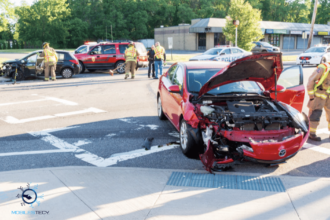
Vehicles are deemed financially unrepairable after severe collision damage. When repair costs exceed values, insurers declare total losses. This makes auctions an efficient disposal method for damaged vehicles. Mechanical failures and engine issues may also prompt insurance totals. Vehicles with catastrophic failure often carry salvage titles afterward. Total loss declarations depend heavily on repair cost ratios and depreciation.
Natural disasters create massive influxes of flood or hail-damaged vehicles. Insurers liquidate these units quickly due to widespread claims. Flood vehicles appear visually clean but hide electrical degradation. Hail vehicles, by contrast, remain mechanically functional and easier repairs. Damage categories significantly influence pricing and buyer expectations. Regional climate trends determine disaster-related inventory cycles annually.
Stolen vehicles recovered late enter auctions after owner reimbursement. Recovered theft vehicles may have minimal damage or missing parts. Insurance prefers liquidation to avoid lengthy administrative processes. These units appeal to resellers seeking minimal restoration requirements. Each category offers different risk profiles and investment potential. Theft recoveries occasionally retain clean titles due to limited damages.
Pros of Insurance Auto Auctions
Prices remain significantly below traditional dealership retail values. Buyers gain access to high-value inventory for substantial savings. Exporters and mechanics generate consistent profits through restoration. Auctions offer diverse selection ranging across brands and body styles. Professionals benefit from predictable sourcing and repeatable strategies.
The market provides salvage parts for thousands of mechanical businesses. Rare and exotic models occasionally appear at attractive prices. The ecosystem encourages recycling and efficient vehicle redistribution. Demand for salvage vehicles continues increasing across global automotive markets. Economic trends push consumers toward alternative purchasing channels.
How Insurance Auto Auctions Operate
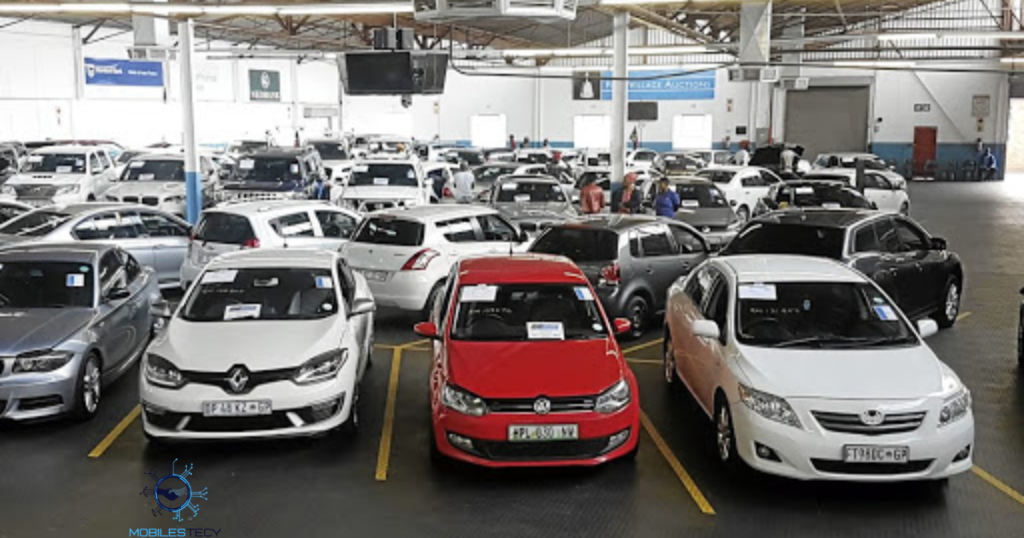
Vehicles undergo intake assessments documenting mileage, VIN, and damage. These assessments provide bidders limited insight before committing funds. Auction photos highlight visible issues but not hidden mechanical problems. Inspections are allowed but vary depending on facility and regulations. Bidders must rely on experience and estimated repair calculations. Expert buyers audit repair viability through cost comparisons and part availability.
Titles determine reconstructive legality, registration ability, and resale values. Common titles include Clean, Salvage, Rebuilt, Flood, and Junk. Each carries different restrictions affecting transport and final ownership. Salvage titles often require inspections before legal road operation. Buyers must research local state regulations to avoid complications. Regulatory frameworks vary widely between countries and jurisdictions.
Bidding occurs online or onsite with time-specific closing windows. Prices vary depending on damage severity and brand desirability. Exporters often raise bids on desirable makes and body styles. Mechanical buyers target vehicles suitable for parting or rebuilds. Winning bidders coordinate payment, towing, and storage deadlines. Auction companies enforce strict timelines to maintain operational efficiency.
Cons of Insurance Auto Auctions
Information remains limited, and inspections are often restricted. Photos rarely reveal mechanical, electrical, or structural conditions fully. Hidden repairs may drastically increase total acquisition costs. Novice buyers often overbid and diminish potential profit margins. Titles complicate registration, insurance, and future resale logistics.
Salvage vehicles may not regain full market value after rebuilds. Flood vehicles suffer long-term electrical failures difficult to diagnose. Competition increases price inflation during peak demand periods. Risk tolerance and mechanical knowledge strongly dictate profitability outcomes. Inexperience frequently results in costly miscalculations and underestimated repairs.
Who Buys From Insurance Auto Auctions
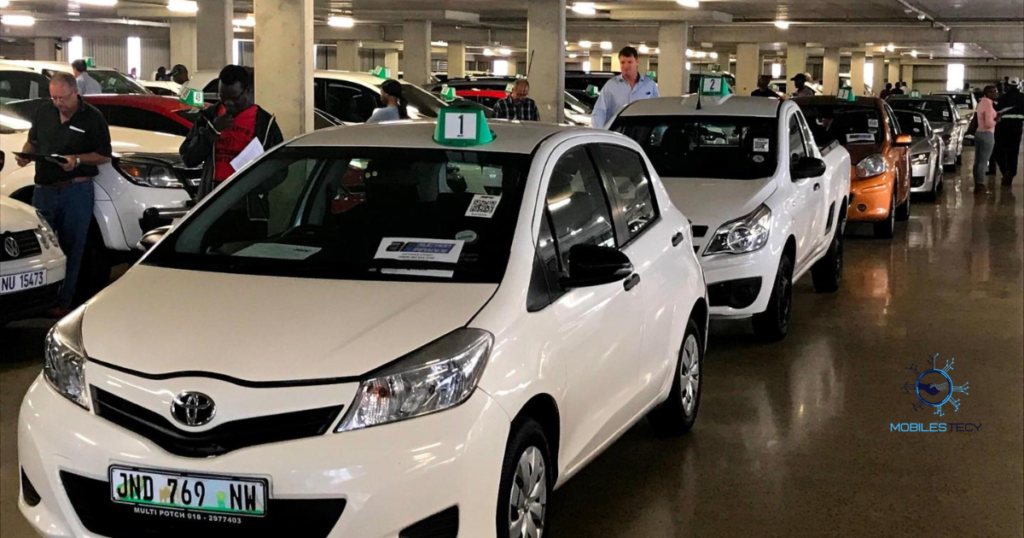
Dealers purchase repairable units for resale in used markets. Their expertise allows cost-efficient mechanical and cosmetic restorations. Margins depend heavily on accurate assessments and low bid acquisition. Mechanics and body shops buy units for profitable repair projects. They gain from labor cost savings and parts-based advantages. Rebuilt vehicles are marketed to budget-conscious customers seeking alternatives.
Exporters dominate auctions due to cheaper overseas repair networks. Vehicles are shipped to countries with lower part and labor costs. Foreign markets value American vehicles for durability and performance appeal. These transactions increase competition and drive auction sale prices upward. Export demand reshapes vehicle pricing trends and category popularity. Salvage vehicles often attain higher resale value outside domestic markets.
Individual buyers seek budget vehicles or project-oriented rebuild experiences. Insurance auctions provide affordable alternatives to dealership financing. However, inexperienced buyers face increased risk from hidden defects. Proper research and inspection reduce those costly buying mistakes. Individuals benefit most when purchasing lightly damaged or theft recoveries. Hobbyists enjoy rebuilding projects for personal fulfillment or profit.
Titles and Damage Categories
Title classifications signal severity, legal status, and intended use. Clean titles indicate minor issues without structural impairment. Salvage titles reflect major damage with required inspections. Rebuilt titles mean completed repairs approved by regulatory authorities. Flood and hail titles provide damage category transparency.
Hail rarely affects drivability, making rebuild profitable. Flood vehicles hide corrosion risks in wiring and electronics. Damage categories influence international demand and resale markets. Title categories determine which buyers pursue specific inventory types. Overseas buyers often prioritize hail-damaged vehicles for easier repair outcomes.
• Buyers seek discounted vehicles for resale or personal use.
• Damage categories heavily influence market value and bidding behavior.
• Auctions operate through large online platforms like Copart and IAAI.
• Titles determine legality, registration, insurance, and export eligibility.
• Professional buyers profit through repairs, parts, or foreign reselling.
Faq’s
What is an insurance auto auction?
A marketplace offering damaged or totaled vehicles at discounted prices. Insurers liquidate vehicles instead of funding expensive repairs.
Who can buy from insurance auctions?
Dealers, exporters, mechanics, and some eligible private individuals. Licensing requirements vary by region and auction policies.
Are salvage vehicles worth buying?
They offer major savings but require skillful evaluation and repairs. Profitability depends on parts, labor, and final resale values.
Can flood cars be restored safely?
Sometimes, but electrical corrosion creates long-term reliability issues. Buyers should approach flood titles with increased caution.
Do auctions allow vehicle inspections?
Many facilities permit brief inspections before bidding closes. Inspection access differs by auction company and state regulations.
Conclusion
Insurance auto auctions form an important segment of automotive markets. They provide pathways for damaged vehicles to reenter circulation profitably. Exporters and rebuilders reduce waste and support global demand. Auction popularity continues rising with online access and pricing pressures. These dynamics reshape how buyers source vehicles and parts today. Salvage markets influence pricing trends across global used automotive segments.
For professionals, insurance auctions offer consistent sourcing advantages. Dealers and mechanics maximize profits using skill and experience. Exporters capitalize on worldwide demand and lower labor costs. Individuals benefit when prioritizing lightly damaged or theft recoveries. Understanding risk improves outcomes and ownership satisfaction. Rebuilders supply affordable transportation options for cost-conscious communities.
Insurance auctions reward research, patience, and accurate cost estimation. Vehicles vary widely in condition, title classification, and repair feasibility. Hidden issues require cautious evaluation before bidding commitments. Buyers who prepare thoroughly gain substantial financial opportunities. Despite risks, the marketplace remains valuable, dynamic, and expanding. Experience increases success and mitigates purchasing uncertainties.
Read more latest Articles on Mobilestecy.com