

Smoke detection technology has played a vital role in fire safety. From early ionization alarms to photoelectric sensors, progress has been steady. Yet, each method has faced limitations in certain fire scenarios. Traditional detectors often produce false alarms, frustrating users and reducing reliability. These issues highlight the urgent need for improved universal sensing systems.
Universal smoke sensing technology combines different methods into one intelligent detection system. It analyzes multiple fire signatures, ensuring faster and more accurate responses. Unlike older devices, it adapts to environmental conditions effectively. This helps reduce nuisance triggers like cooking smoke or shower steam. As a result, households and businesses experience fewer false alarms daily.
The importance of this innovation extends far beyond simple convenience for users. USST saves lives by detecting both smoldering and fast-flaming fires quickly. It integrates with smart devices for monitoring and safety automation. The technology also complies with strict global building safety regulations. Clearly, universal smoke sensing technology sets new standards for modern fire protection.
Table of Contents
Evolution of Smoke Detection

Smoke detection began with simple ionization alarms decades ago for safety. These devices used small radioactive sources to detect combustion particles effectively. They worked well for fast-flaming fires but were weak against smoldering fires. Despite limitations, ionization alarms became popular in homes and public buildings. Their affordability made them the first widespread smoke detection solution globally.
Photoelectric detectors arrived later, using light beams to sense larger smoke particles. These detectors responded better to smoldering fires, detecting them earlier and reliably. However, they struggled with fast flames, limiting their universal effectiveness in emergencies. Many homes required choosing between photoelectric and ionization alarms without certainty. This created gaps in coverage and raised major safety concerns worldwide.
Dual-sensor alarms were developed to combine photoelectric and ionization detection together. They improved coverage across both fire types, enhancing safety in many homes. Yet, these systems often triggered false alarms from harmless smoke conditions. Cooking fumes, steam, and dust frequently confused sensors, leading to costly disruptions. The limitations inspired a need for universal smoke sensing technology.
- Universal smoke sensing technology detects both smoldering and fast-flaming fires.
- Advanced algorithms filter harmless triggers like steam, dust, and cooking smoke.
- Systems integrate ionization, photoelectric, and heat sensors for balanced detection.
Improved Fire Safety Accuracy
Universal smoke sensing technology detects fires faster than traditional detectors. It combines multiple sensing methods for comprehensive and reliable detection. This ensures early warnings for both smoldering and fast-spreading fires. Enhanced accuracy saves lives by minimizing delays in emergency responses.
Unlike single-sensor alarms, universal systems reduce dangerous detection gaps. They analyze smoke density, heat levels, and particle size simultaneously. This creates a holistic understanding of the fire’s early development. As a result, occupants gain valuable extra time for evacuation.
How Universal Smoke Sensing Works
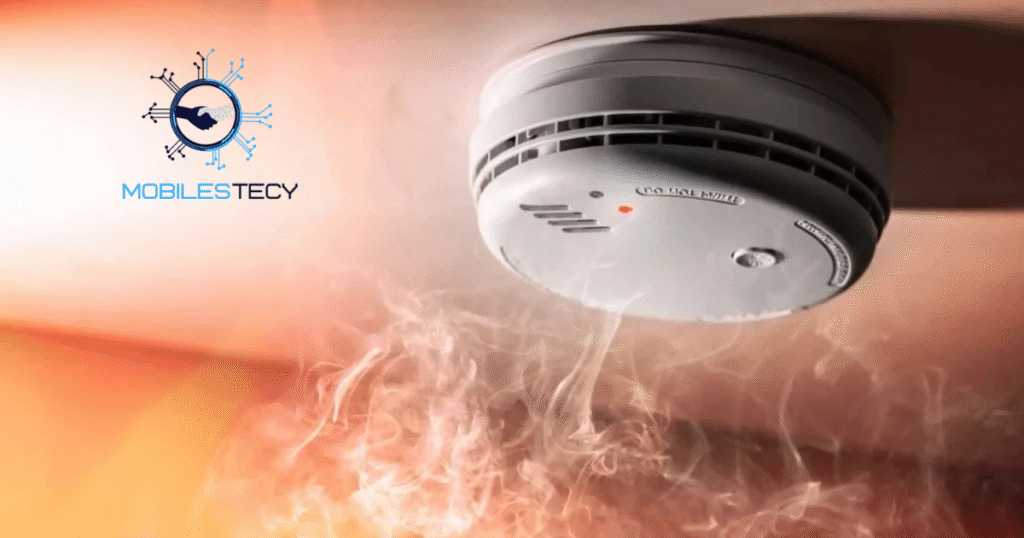
Universal smoke sensing technology integrates multiple methods into one advanced system. It combines ionization, photoelectric, and heat sensors with sophisticated algorithms. These sensors collect simultaneous data, analyzing smoke particles, heat changes, and gases. The system intelligently determines whether an alarm indicates a real fire. This reduces false alarms while ensuring accurate responses during dangerous conditions.
Modern universal detectors now feature built-in microprocessors that adapt to their surroundings intelligently. These systems automatically adjust sensitivity to reduce everyday false alarms. For instance, they can recognize harmless steam from kitchens or bathrooms and filter it out. Many advanced models also support Wi-Fi connectivity, providing smartphone alerts and remote supervision. This allows homeowners to maintain safety oversight even when they are not physically present.
Smart technology integration further elevates the practicality of universal smoke sensing systems. Detectors can synchronize with fire sprinklers, emergency lighting, and automated door controls. This coordination enables a rapid and unified response during emergencies, improving both property protection and life safety. Additionally, artificial intelligence continues to refine performance over time, allowing detectors to learn environmental patterns. As a result, they offer greater reliability compared to traditional single-sensor or dual-sensor alarms.
Minimizing False Alarms
False alarms not only disrupt daily routines but can also lead to complacency and mistrust. Universal sensing systems utilize advanced algorithms to differentiate between non-threatening smoke and actual fire hazards. Because of this, harmless dust or steam rarely triggers unnecessary alerts.
In commercial and public environments, reducing false alarms has significant financial and operational advantages. Fewer unnecessary evacuations prevent workflow interruptions, lost productivity, and emergency response expenses. Facilities such as hospitals, offices, and schools maintain calm, avoiding panic and confusion.
Integration with Smart Technology

Modern universal detectors connect with Wi-Fi for remote accessibility. Users receive instant alerts directly on smartphones or smart devices. They can monitor homes or businesses anytime and from anywhere. Integration ensures quick responses, even if occupants are absent.
Smart features include automatic links to sprinklers or emergency systems. Doors unlock, lights activate, and suppression systems engage automatically. Artificial intelligence enhances adaptive learning for environmental conditions. This ensures efficient fire responses tailored to unique building needs.
Benefits and Applications of USST
Universal smoke sensing technology offers enhanced accuracy across all fire detection scenarios. It recognizes both fast-flaming fires and smoldering fires with efficiency. This eliminates the weaknesses of detectors relying on one single method. Families benefit from faster warnings, improving survival chances during dangerous emergencies. Such accuracy ensures peace of mind in homes and workplaces globally.
False alarms waste resources, frustrate homeowners, and disrupt commercial building operations. Universal systems minimize nuisance alarms by filtering harmless triggers intelligently. This reduces unnecessary evacuations in schools, hospitals, or crowded public facilities. Firefighters also avoid wasted responses caused by unreliable traditional smoke detectors. The technology saves time, money, and lives by ensuring precision.
Applications extend beyond households, making USST vital for industries and public spaces. Warehouses, factories, and airports benefit from adaptive, integrated fire detection systems. Hospitals require minimal disruptions, and USST ensures safety without frequent false alarms. Schools rely on these systems to protect students and avoid unnecessary panic. The versatility of universal technology makes it a global safety standard.
- Smart connectivity enables mobile alerts for homeowners and building managers.
- Hospitals and schools benefit from reduced false alarms during critical operations.
- Industrial facilities adopt USST to protect storage, chemicals, and heavy machinery.
Versatile Applications Across Environments

Universal smoke sensing technology suits residential, commercial, and industrial spaces. It adapts to homes, offices, factories, and critical public facilities. The flexibility ensures broad adoption across diverse safety requirements globally. Its reliability makes it vital in high-risk or high-traffic areas.
Schools, hospitals, and airports benefit from accurate detection with minimal disruptions. Industrial facilities use it to monitor chemicals, machinery, and storage. Homes experience peace of mind with fewer false alarms daily. The technology’s adaptability ensures protection across countless environments worldwide.
- Detectors learn environmental patterns and adjust sensitivity levels intelligently.
- Systems link directly with sprinklers, lights, and automated door mechanisms.
- Regulatory agencies encourage universal smoke sensing adoption in new construction.
- Businesses reduce costs by avoiding frequent disruptions from false alarms.
- Universal smoke sensing technology represents the future of global fire protection.
Faq’s
What is universal smoke sensing technology and how it works?
It combines multiple sensing methods into one intelligent detection system. This ensures accurate fire detection while minimizing false alarms significantly.
Why is universal smoke sensing better than traditional smoke detectors?
It detects both fast-flaming and smoldering fires with improved accuracy. False alarms are reduced, offering safer and more dependable protection.
Can universal smoke sensing technology connect with smart home systems?
Yes, many detectors integrate with Wi-Fi for remote monitoring. Users receive instant alerts and automated emergency responses anytime.
Is universal smoke sensing technology suitable for industrial environments?
Yes, it adapts to warehouses, factories, and high-risk facilities. It ensures safety by monitoring chemicals, machinery, and storage areas.
Does universal smoke sensing technology meet global fire safety standards?
Yes, regulators encourage adoption in modern construction and retrofitting. Compliance improves safety, reliability, and long-term fire prevention globally.
Conclusion
Universal smoke sensing technology marks a breakthrough in modern fire detection. It resolves weaknesses found in traditional ionization and photoelectric detectors. By combining multiple sensing methods, it ensures accurate, timely fire responses. This advancement provides safety, reliability, and peace of mind for users. Its role in protecting lives and property is increasingly undeniable worldwide.
The reduction of false alarms improves confidence in fire detection systems. Businesses avoid costly interruptions caused by unnecessary evacuations or disruptions. Homes gain smarter protection with detectors adapting to environmental patterns. Integration with smart technology ensures quick responses during dangerous emergencies. These features make universal smoke sensing a strong industry standard.
Looking ahead, adoption of this technology will continue to expand. Regulatory support will further encourage widespread implementation across sectors globally. Integration with artificial intelligence will enhance accuracy and adaptive performance. Connected networks may provide cities with real-time fire safety intelligence. Universal smoke sensing will define the future of global fire protection.
Read more latest Articles on Mobilestecy.com