
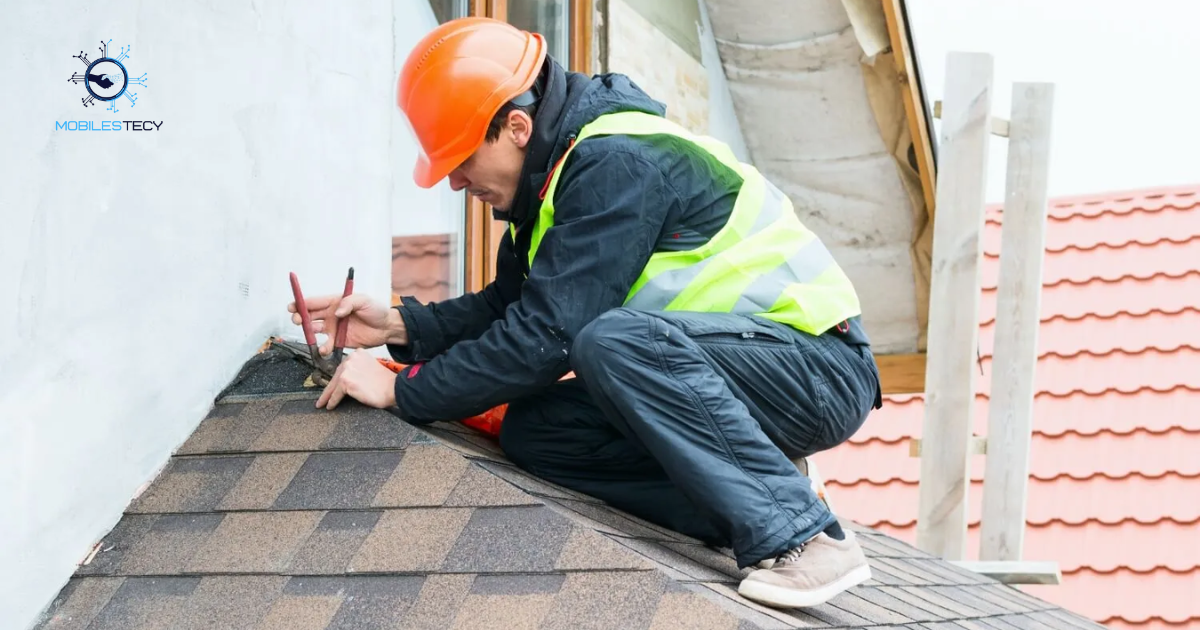
Roof damage is one of the most stressful events a homeowner can face. Filing an roof insurance claim can help cover repair or replacement costs. However, many homeowners experience frustration when their roof insurance claim gets denied. Understanding the reasons behind denials helps protect your property and finances effectively. Being prepared and knowledgeable ensures homeowners can take proper action immediately.
Roof Insurance companies have specific rules about what types of roof damage they cover. Not every type of roof damage is automatically eligible for insurance payments. Denials often occur due to maintenance issues, pre-existing damage, or policy exclusions. Homeowners should familiarize themselves with their policies to avoid surprises during claim processing. Proper knowledge of coverage terms allows policyholders to protect their investments properly.
Even when claims are denied, homeowners are not completely without options or recourse. Appeals, documentation, and professional inspections can often reverse initial denials successfully. It is important to gather evidence and understand the appeals process clearly. Working with licensed contractors or public adjusters can strengthen denied claim cases. Understanding common denial reasons allows homeowners to respond effectively and protect their property.
Table of Contents
Common Reasons Roof Insurance Claims Are Denied
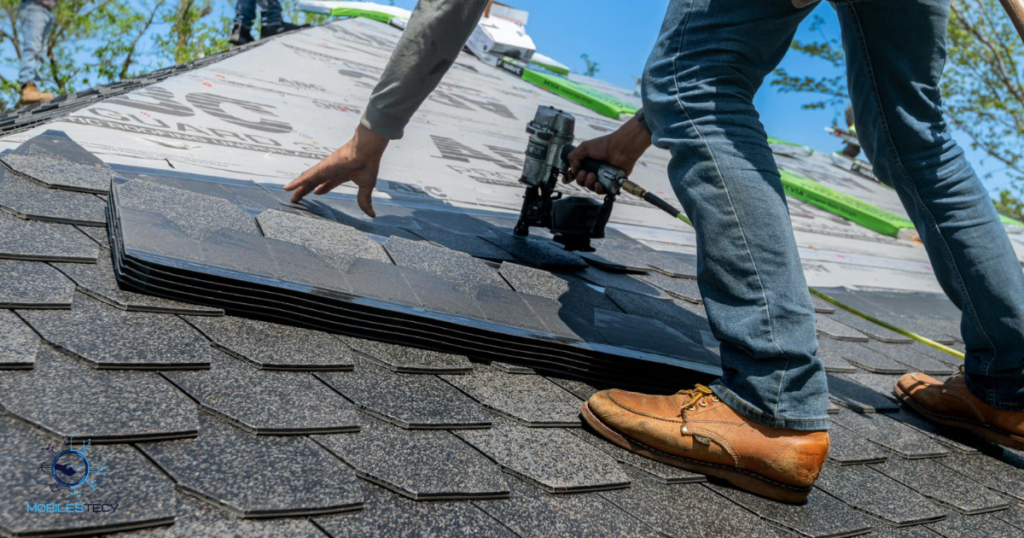
Insurance companies often deny claims when policies are not fully understood or maintained. Lack of proper maintenance is a frequent reason for claim denials. Homeowners must keep roofs in good condition to meet insurance requirements. Damage caused by neglect, such as mold, leaks, or broken shingles, is often excluded. Keeping inspection records helps demonstrate proper maintenance and prevent dispute issues.
Pre-existing damage is another common cause of claim denial by insurers. Policies may exclude damage present before the coverage period begins. Documentation of roof condition prior to the claim is essential to support appeals. Homeowners should keep photos, repair receipts, and inspection reports for evidence. This information strengthens claims and clarifies whether damage resulted from covered events.
Policy exclusions are often overlooked and cause unexpected denials. Many insurance policies do not cover gradual wear, poor installation, or aging roofs. Damage from natural disasters like floods or earthquakes may also be excluded. Understanding policy language is critical to know what events are actually covered. Reviewing exclusions before filing claims helps reduce the risk of denial.
Weather and Act of Nature Disputes
Insurance companies may deny claims if damage is not caused by covered perils. Storm damage like hail or wind is often covered, while gradual leaks may not be. Some insurers attribute damage to poor installation or natural aging instead. Homeowners can challenge this by hiring professional roofing inspectors for documentation.
Photographic evidence before and after storms is also useful in appeals. Contractors can create detailed reports explaining the type and cause of roof damage. Timely submission of evidence strengthens your argument and may overturn denial decisions. Insurers must review supporting documentation to reassess claim validity carefully.
Documentation Issues and Roof Age
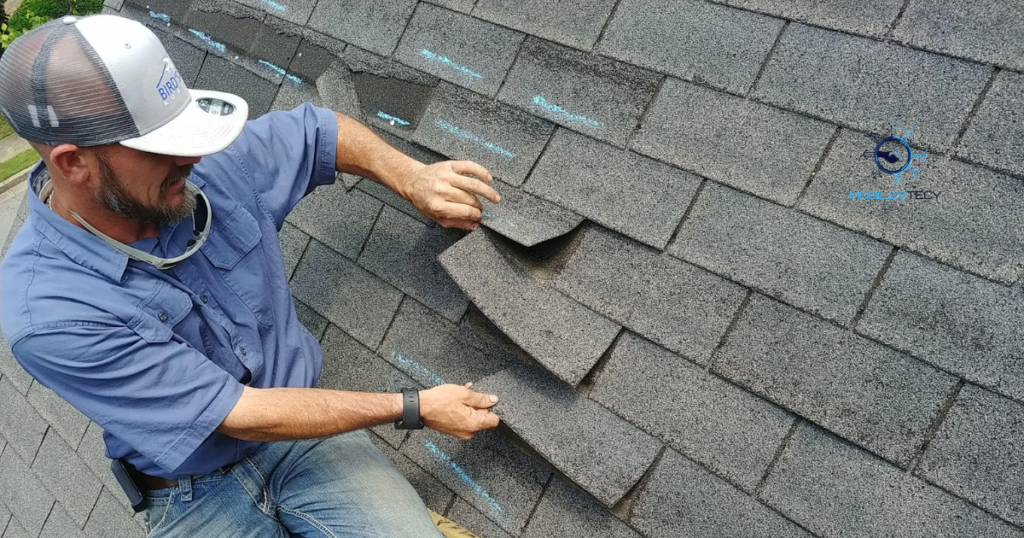
Insufficient documentation is a leading reason many roof claims get denied. Insurance companies require clear proof of damage, repair estimates, and timelines. Vague descriptions or missing photos can result in rejected claims immediately. Maintaining maintenance records and inspection reports provides strong evidence for approvals. Professional assessments are often decisive in resolving weather-related claim disputes.
Supporting evidence can increase the chance of claim approval successfully. Insurance providers consider maintenance essential for validating roof damage claims effectively. Insurers rely heavily on proof to determine claim validity accurately. Homeowners can plan repairs knowing which situations qualify for insurance coverage. Taking timely action helps restore financial stability and maintain roof integrity efficiently.
The age of a roof can also impact claim approvals significantly. Many policies reduce or deny coverage for roofs beyond their expected life span. Shingles older than 20 years may only receive partial or no coverage. Homeowners can appeal by demonstrating that damage was caused by covered events. A licensed contractor’s assessment can clarify whether age or covered perils caused damage.
Steps to Take When a Roof Insurance Claim Is Denied
Receiving a denial letter can be stressful but is not the final step. First, review your policy carefully to understand the coverage and exclusions. Documentation of roof condition, damage, and prior maintenance is crucial. Professional inspections can provide evidence that damage resulted from covered events. Filing a formal appeal with your insurer is often required next.
Hiring a licensed roofing contractor or public adjuster is another effective step. Contractors provide detailed damage reports and repair estimates for appeal submissions. Public adjusters work on behalf of homeowners to negotiate with insurance companies. These experts understand insurance terminology and can strengthen your denied claim case.
Tips to Avoid Roof Insurance Claim Denials

Homeowners can prevent claim denials by maintaining their roofs regularly and thoroughly. Regular inspections and maintenance reduce damage from leaks, mold, and storms. Keeping accurate records of all repairs and professional assessments is essential. Understanding policy terms, including covered perils and exclusions, prevents misunderstanding. Consulting contractors or public adjusters before filing claims ensures strong documentation.
Proactive steps help homeowners avoid denials and ensure faster claim processing. Remaining informed empowers homeowners to protect their property and maintain roof integrity. Planning and preparation increase the likelihood of successful insurance outcomes significantly. Knowledge, documentation, and persistence are the keys to overcoming claim denials successfully.
Protecting your roof ensures long-term safety, property value, and peace of mind. Contractors and public adjusters can provide expert assistance for challenging claims. Staying organized and proactive ensures the process is smoother and more successful. Detailed documentation increases the likelihood of accurate damage assessment by adjusters. Proper paperwork ensures homeowners receive fair coverage for legitimate claims.
Supporting Evidence for Successful Claims
Photographs, videos, and repair estimates are crucial evidence for denied claims. Documenting damage immediately after storms strengthens your appeal substantially. Contractors’ professional assessments can clarify the cause and extent of damage. Receipts, invoices, and inspection records establish proof of maintenance and repairs.
Organized evidence helps insurers reevaluate claims and increases chances of approval. Engaging professional support improves the likelihood of receiving fair compensation. Acting promptly ensures that deadlines and policy requirements are met properly. Organized, factual documentation supports your argument and increases success chances.
- Maintain roofs regularly to prevent avoidable damage and insurance claim disputes.
- Document all roof damage immediately with clear photographs and videos.
- Understand policy terms, limits, exclusions, and covered events carefully.
- Work with licensed contractors for professional inspection and repair estimates.
- Consider hiring a public adjuster if your roof insurance claim is denied.
Faq’s
Why was my roof insurance claim denied?
Claims are often denied due to pre-existing damage, neglect, or policy exclusions.
Can I appeal a roof claim denial?
Yes, filing an appeal with supporting documents can reverse a denial.
Does roof age affect insurance claim approval?
Yes, older roofs may have reduced coverage or partial claim payments.
Do I need a contractor to support my claim?
Contractors provide professional evidence but are not strictly required by insurers.
Are weather-related damages always covered by insurance?
Coverage depends on whether the damage results from a listed peril.
Conclusion
Having a roof insurance claim denied is frustrating, but it does not mean the end. Understanding the reasons behind denials, including maintenance issues, pre-existing damage, age, or policy exclusions, is crucial. Homeowners can gather documentation and professional reports to support appeals effectively. Taking immediate action after denial increases the chances of approval and fair settlement.
Proactive maintenance and careful documentation prevent most claim disputes and delays. Understanding your insurance policy, keeping records, and hiring professionals when needed protects your financial interests. Homeowners who act quickly and follow proper procedures are more likely to receive coverage. Appeals supported by clear evidence and professional evaluations often overturn initial denials.
Ultimately, a denied roof insurance claim does not mean financial loss is inevitable. By understanding coverage, documenting damage, and following appeal procedures properly, homeowners can secure compensation. Engaging professionals ensures stronger claims and helps resolve disputes effectively. Maintaining a roof and records reduces future risks and improves claim success.
Read more latest Articles on Mobilestecy.com