
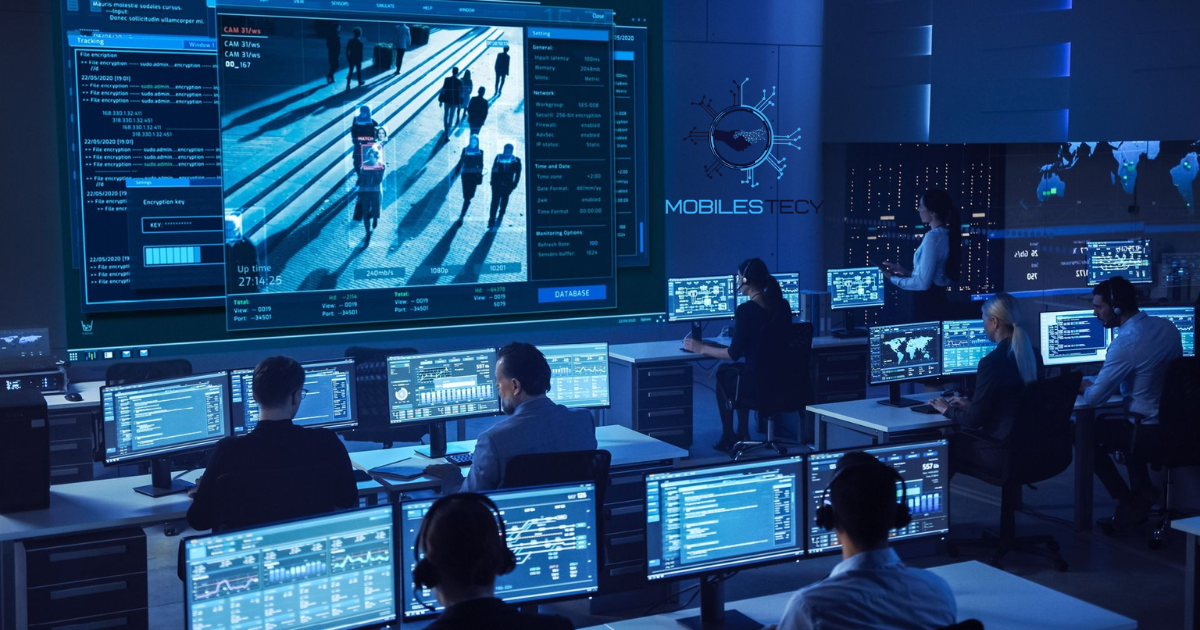
Public safety technology plays a vital role in protecting communities worldwide today. It combines innovative tools and digital solutions to enhance security and resilience. Modern systems integrate artificial intelligence, sensors, and communication networks seamlessly. These technologies help predict risks, prevent incidents, and ensure faster emergency responses. Public safety technology continues evolving, shaping how societies remain secure and connected.
Technological innovations have transformed traditional approaches to safety and emergency management. In earlier times, safety relied heavily on manual monitoring and responses. Now advanced surveillance, drones, and biometric tools ensure improved situational awareness. Data-driven insights help governments allocate resources more efficiently and effectively. Communities benefit from smarter cities and faster crisis detection through technology.
Public Safety technology covers law enforcement, disaster management, and cyber protection fields. It uses interconnected systems to monitor threats and communicate critical information quickly. From traffic monitoring to earthquake alerts, these tools save countless lives. The combination of human expertise and machines creates more reliable safety frameworks. Such technology ensures societies remain protected in an unpredictable modern environment.
Table of Contents
The Role of Artificial Intelligence in Public Safety
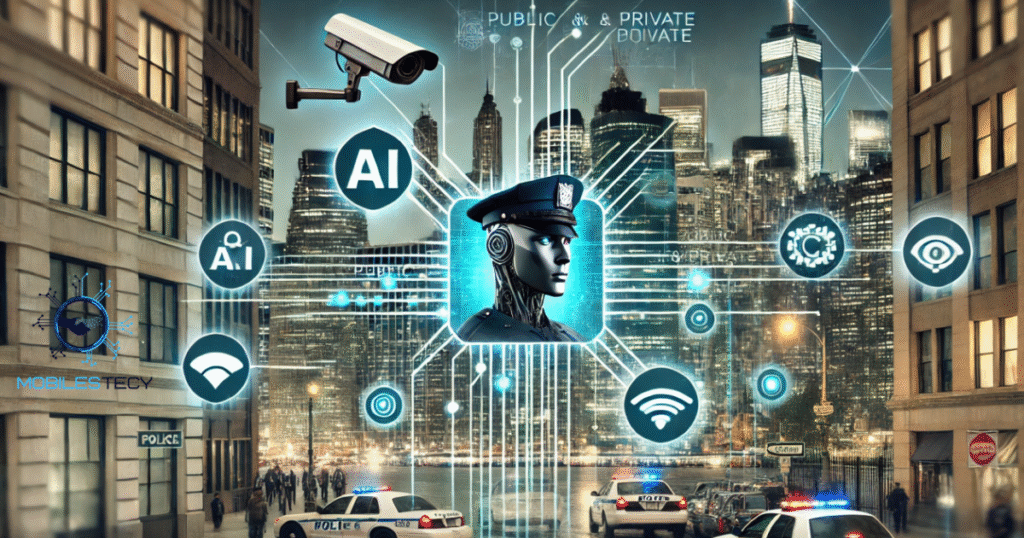
Artificial intelligence provides predictive insights that help authorities prepare for emergencies. Machine learning algorithms analyze crime data to forecast potential hotspots accurately. These systems allow law enforcement to deploy resources effectively and strategically. AI also enhances video surveillance by recognizing unusual behaviors or threats. By automating analysis, it reduces human error and improves decision-making efficiency.
AI-powered technologies are transforming emergency response systems by making communication faster and more precise. Modern Smart 911 platforms can automatically transmit a caller’s location and essential details to dispatch centers. Advanced voice analysis tools can interpret stress levels and tone, helping responders assess urgency more accurately. These innovations strengthen coordination between emergency personnel and individuals in distress, ultimately improving response times and outcomes.
Beyond public safety and crime prevention, artificial intelligence also supports natural disaster preparedness and response. Predictive algorithms analyze weather data to anticipate floods, hurricanes, and seismic activity with greater accuracy. Early warnings enable authorities to organize evacuations and protective measures ahead of time. Meanwhile, AI-guided drones and robotic units assist rescue teams in hazardous or inaccessible areas. Together, these technologies reduce risks and help safeguard lives and property.
The Role of IoT and Smart Sensors in Public Safety
The Internet of Things (IoT) enhances environmental monitoring across cities and remote regions. Connected sensors can detect fire outbreaks, gas leaks, or toxic chemical exposure in real time. Continuous data collection allows emergency services to respond before issues escalate into larger crises. Intelligent traffic sensors help manage vehicle flow, reduce congestion, and lower accident rates—contributing to safer urban mobility.
Smart building systems equipped with IoT technology can automatically initiate protective measures during emergencies. For example, fire alarms activate suppression systems, restrict access to dangerous zones, and immediately notify emergency responders. Air quality sensors monitor pollution and hazardous emissions, promoting healthier living conditions. By integrating these interconnected systems, communities become more resilient, sustainable, and better prepared to handle emergencies.
IoT also plays a vital role in large-scale disaster responses. Flood sensors alert authorities before rivers overflow, enabling preventative evacuations. Seismic monitors detect early tremors and issue alerts to vulnerable populations. Combined with communication apps, these systems spread warnings almost instantly. This interconnected framework saves countless lives by minimizing disaster-related casualties.
Biometric Identification and Its Role in Community Wellbeing
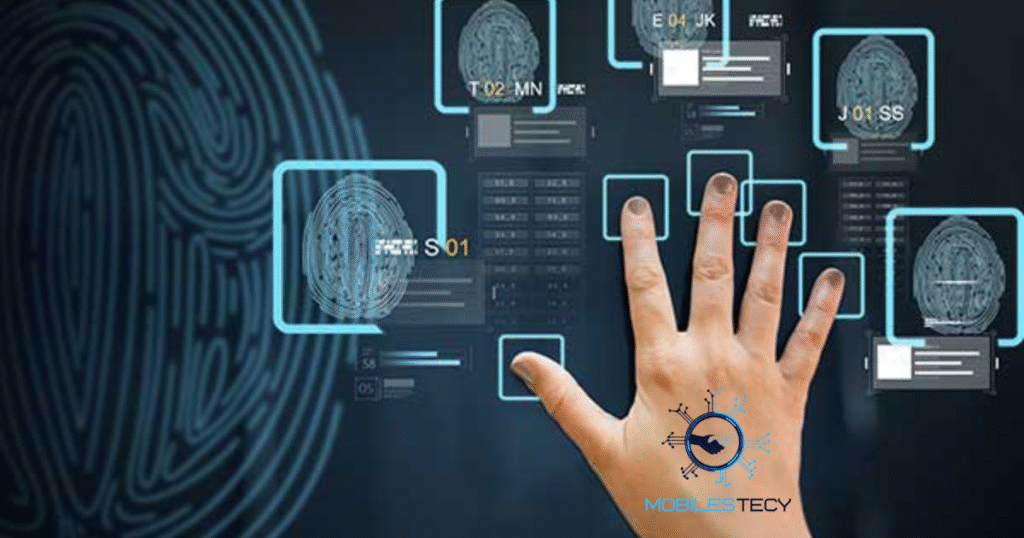
Biometric systems streamline identity verification at borders, airports, and large gatherings. Fingerprint, facial recognition, and iris scans ensure accurate and quick security. These tools reduce human error, minimizing risks during critical safety operations. They also provide faster clearance processes without compromising overall public safety.
Law enforcement agencies integrate biometrics to track suspects in real time. Databases match live scans with records, boosting investigation speed and accuracy. Such systems assist in locating missing persons through advanced recognition technology. This strengthens trust between communities and authorities while ensuring improved protection.
Advancements in Drones and Robotics

Drones are widely used for search and rescue during dangerous situations. They capture aerial views of hard-to-reach or inaccessible disaster zones. This reduces risks for human responders and speeds up rescue efforts. Thermal imaging drones locate survivors trapped under debris or rubble. Such applications demonstrate how robotics enhance life-saving missions effectively.
Law enforcement agencies deploy drones for crowd monitoring and crime prevention. They provide real-time surveillance during large gatherings or public events. This ensures threats are identified and neutralized before causing damage. Robotics also assist in bomb disposal operations without risking human lives. These innovations make complex security operations safer and more reliable.
In addition, drones support disaster recovery by transporting supplies to survivors. Medical delivery drones can reach rural areas with limited infrastructure access. Robotic tools also explore collapsed buildings to find trapped individuals. They gather vital data and share it with rescue teams immediately. Such solutions enhance coordination and efficiency in crisis management processes.
Cybersecurity and Digital Protection in Community Wellbeing
As safety systems become digital, cyber threats pose significant growing risks. Hackers may target power grids, surveillance networks, or emergency communication systems. Cyberattacks could disrupt essential services and endanger vulnerable communities. Therefore, cybersecurity strategies are crucial for protecting critical public infrastructure. Agencies invest in firewalls, encryption, and constant monitoring against breaches.
Public safety organizations also train staff in cybersecurity awareness programs. Human errors often create vulnerabilities exploited by malicious digital attackers. Educating employees reduces risks while strengthening overall organizational resilience. Collaboration with private cybersecurity firms adds another protection layer. This partnership ensures advanced defense systems evolve with emerging threats.
Cybersecurity is also vital for safeguarding citizens’ personal data and privacy. Surveillance systems and biometric technologies often store sensitive identification details. Strong data protection policies prevent misuse and build community trust. Ethical guidelines also ensure transparency in how data gets managed. Together, these measures balance safety with the preservation of freedoms.
Community Engagement Through Community Wellbeing Applications
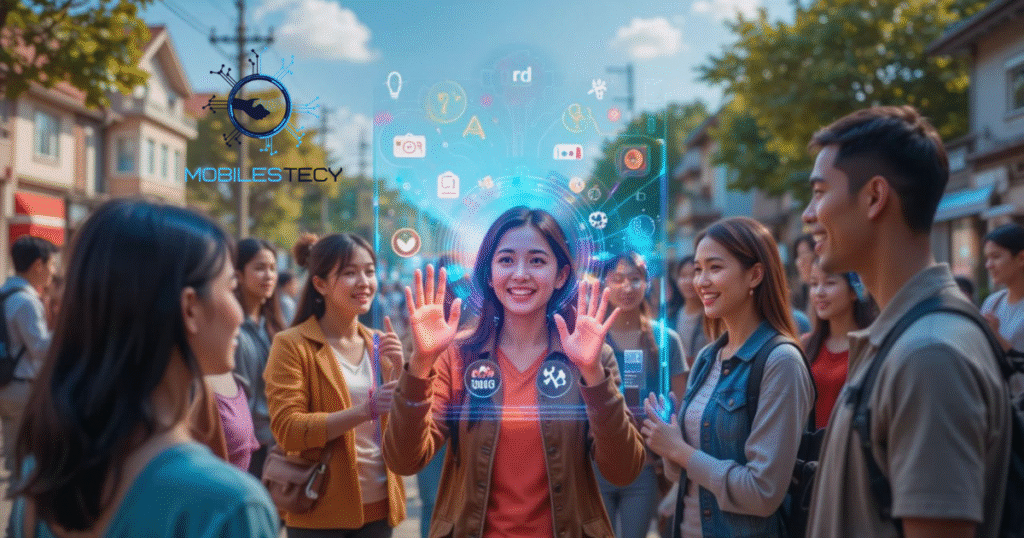
Mobile safety apps allow citizens to report suspicious activity directly. They share images, locations, and details instantly with local law enforcement. This strengthens community involvement and enhances overall public security efforts. Such platforms encourage proactive safety rather than reactive emergency measures.
Communication apps also provide alerts during disasters or sudden public threats. Geolocation ensures information reaches citizens within specific affected regions instantly. These tools build trust by keeping communities informed and well-prepared. Stronger collaboration between people and authorities improves resilience against emergencies.
- Artificial intelligence improves surveillance accuracy by detecting unusual behaviors in crowds.
- IoT sensors provide real-time alerts for fires, floods, and chemical hazards.
- Drones assist rescue teams by locating survivors in dangerous or inaccessible areas.
- Biometric systems speed up identity verification while reducing human errors significantly.
- Cybersecurity protects sensitive data and prevents cyberattacks on critical safety systems.
Faq’s
How does artificial intelligence improve modern public safety technology systems?
AI analyzes data patterns, predicts risks, and enhances surveillance accuracy effectively. It reduces human errors while enabling faster, smarter emergency response operations.
What role do IoT sensors play in enhancing community safety?
IoT sensors detect hazards, provide instant alerts, and improve situational awareness. They monitor traffic, environment, and infrastructure to prevent potential accidents.
Why are drones increasingly used in disaster management and law enforcement?
Drones provide aerial monitoring, locate survivors, and reduce risks for responders. They support search, rescue, and surveillance during dangerous or inaccessible scenarios.
How do biometric systems benefit law enforcement and security operations today?
Biometrics streamline identity checks, reduce errors, and enhance verification accuracy. They assist investigations by matching real-time scans with criminal record databases.
Why is cybersecurity crucial for protecting public safety digital infrastructure?
Cybersecurity shields sensitive data and critical systems from harmful cyberattacks. It ensures trust, stability, and uninterrupted operations of safety technologies.
Conclusion
Public safety technology is transforming how societies prevent and manage threats. Artificial intelligence, IoT, drones, and biometrics enhance safety across communities. These tools reduce risks, improve response times, and strengthen overall resilience. Technological advancements empower authorities to predict dangers before they fully occur. They also help communities remain safer and more informed during crises.
Despite benefits, challenges such as privacy, cost, and cybersecurity still exist. Balancing innovation with ethical responsibility ensures fairness in public safety systems. Governments must adopt strong regulations that protect both communities and individuals. Cyber defenses must evolve constantly to combat growing threats effectively. Addressing these challenges builds trust and confidence in modern safety technologies.
The future of public safety relies on connectivity, innovation, and inclusivity. Smart cities will integrate advanced tools to safeguard lives and property. Emergency systems will continue improving through faster data-driven insights and automation. Collaboration between citizens and authorities will strengthen community resilience overall. Ultimately, public safety technology ensures societies remain secure in uncertain times.
Read more latest Articles on Mobilestecy.com