
Public adjusters assist policyholders during complicated fire insurance claims. Fire losses involve structural damage, smoke contamination, and safety hazards. These challenges require accurate documentation and specialized claim resources. Effective tools help adjusters assess scope and determine repair feasibility. Modern technology streamlines collaboration between policyholders and insurers.
Fire damage often impacts property interiors, contents, and building systems. Smoke infiltrates porous surfaces and causes lingering contamination concerns. Water used for suppression adds moisture risks and mold development issues. Public Adjusters must confirm hidden damage before demolition or reconstruction efforts. Tools provide evidence to justify mitigation, repairs, and replacement costs.
Policy language and coverage limitations add complexity to fire-related losses. Public Adjusters interpret exclusions, sub-limits, and code upgrade requirements. Tools ensure estimates remain defensible against insurer counter-evaluations. Comprehensive inventories preserve contents valuation and depreciation details. Communication platforms streamline documentation for multi-party involvement. These tools collectively strengthen outcomes and accelerate claim resolution.
Table of Contents
Digital Documentation Tools
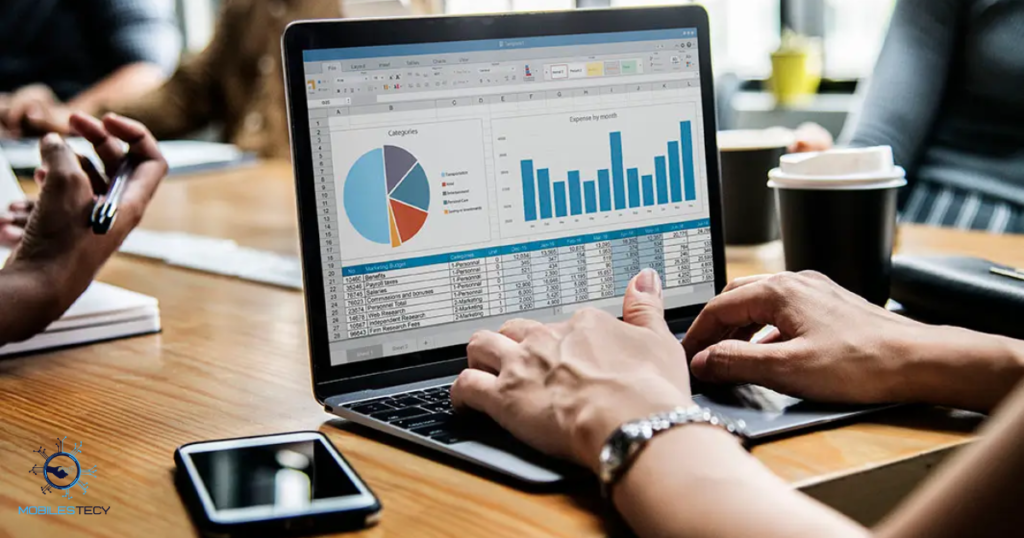
High-resolution cameras capture visible charring, smoke residues, and deformations. 360° imaging provides immersive walkthroughs for damaged structural interiors. Image evidence supports disputes involving cleaning versus replacing materials. Detailed visuals minimize memory gaps during lengthy reconstruction timelines. Digital documentation enhances transparency for insurers and restoration teams.
Thermal cameras detect heat-distorted framing, insulation, and hidden moisture. These readings verify compromised materials requiring tear-outs or replacements. Water saturation appears clearly through temperature differential indicators. Thermal evidence helps justify mold prevention protocols and extended dry-outs. Public Adjusters rely on thermal tools to support environmental remediation scopes.
Drone technology provides safe access to burned roofs and exterior elevations. High vantage points reveal structural weaknesses and compromised building systems. Damage mapping helps quantify shingles, flashing, and skylight replacements. Drones eliminate unnecessary ladder access and minimize inspection safety risks. Aerial imaging accelerates estimating and contractor bidding processes. Insurers appreciate drone data for their remote adjustment requirements.
Communication and Collaboration Tools
Public Adjusters use CRMs to coordinate inspections, submissions, and claim deadlines. Platforms track documents, correspondence, and ongoing restoration milestones. Organization prevents delays caused by missing paperwork or incomplete estimates. CRM tools benefit policyholders through improved transparency and scheduling.
Secure file-sharing systems store large photo sets, reports, and inventories. Cloud tools allow contractors and experts remote claim participation. Online collaboration reduces delays during large or commercial fire losses. Shared access promotes consistency between adjustment and mitigation efforts. Storage solutions ensure records remain accessible during lengthy disputes.
Estimating and Valuation Tools
Xactimate software remains industry standard for property repair estimating. It includes updated labor, material, and equipment pricing databases. Public Adjusters use it to produce detailed line-item structural repair estimates. Comparable estimation parity reduces insurer pushback during negotiations. Depreciation and replacement cost calculations resolve valuation disputes. Digital estimates document financial impact objectively and consistently.
Contents software catalogs damaged belongings by room and functional category. This prevents inventory omissions during overwhelming loss circumstances. Depreciation schedules determine actual cash values for personal property. Tools simplify pricing electronics, appliances, furniture, and textiles. Inventory platforms accelerate settlement for total fire loss scenarios. Digital tracking prevents insurer undervaluation for sentimental belongings.
Valuation tools compare cleaning versus replacement feasibility for items. Porous goods often absorb smoke odors beyond economical restoration options. Books, clothing, bedding, and paper goods frequently require replacement. Soft goods analysis supports reimbursement under policy replacement terms. Electronics may fail due to heat exposure or corrosive chemical deposits. Valuation evidence reduces prolonged dispute cycles with carrier public adjusters.
Legal and Policy Interpretation Tools
Building code databases determine required upgrades for reconstruction compliance. Ordinance coverage often pays for electrical, framing, and insulation changes. Outdated systems cannot be restored to pre-loss noncompliant conditions. Code upgrades frequently spark valuation disagreements with insurers.
Policy reference platforms clarify exclusions, sub-limits, and special provisions. Public Adjusters interpret Additional Living Expense rules for displaced homeowners. Tools reduce misunderstandings involving depreciation and replacement terms. Reference access saves time during multi-structure commercial fire losses.
Environmental and Testing Tools

Moisture meters quantify suppression-related water infiltration and saturation. Wet insulation, drywall, and carpeting require timely dry-outs or removals. Moisture readings prevent future mold growth and structural decay problems. Recording saturation supports insurance scope approval for mitigation services. Objective moisture data guards homeowners against incomplete restoration efforts. Meters remain mandatory across majority of fire-related residence claims.
Air quality testing identifies particulate matter, soot, and harmful contaminants. Industrial hygienists often assist public adjusters during severe fire losses. Test results determine habitability limitations during rebuilding processes. Contamination requires HVAC cleaning, soft goods replacement, and deodorization. Air data helps validate Additional Living Expense under policy coverage. Testing ensures occupants return safely after remediation protocols conclude.
Tape-lift samples detect soot infiltration into hidden structural cavities. Contamination inside cabinets, closets, and attics often goes unnoticed. Findings justify surface cleaning, encapsulation, and deodorizing treatments. Testing supports removal and replacement of compromised interior components. Laboratory results reinforce scope credibility against insurer objections. Testing protects policyholders against premature re-occupancy recommendations.
Expert and Forensic Resource Tools
Origin and cause experts determine ignition sources for liability investigations. Appliance failures may lead to subrogation against manufacturers or installers. Forensic conclusions influence settlement strategies and litigation decisions. Expert resources strengthen claims by addressing previously unknown variables.
Industrial hygienists verify environmental contamination and clearance standards. Reports determine cleaning intensities and deodorization scope requirements. Testing protects occupants during phased rebuilds and material removal efforts. Clearance documentation satisfies insurer objections regarding reoccupation safety.
• Thermal cameras detect unseen moisture and structural heat distortion issues.
• Drones provide aerial imaging for roofs and hazardous elevation inspections.
• Xactimate software standardizes repair estimation and pricing negotiations.
• Inventory tools simplify personal property valuation and depreciation schedules.
• Air testing determines habitability limitations and remediation cost requirements.
Faq’s
How do drones assist public adjusters during fire damage claims?
Drones document inaccessible elevations and capture useful aerial perspectives. Their imaging reduces climbing risks and improves estimation accuracy overall.
Why is contents software essential in fire-related property losses?
Inventory platforms prevent omissions and protect policyholder replacement rights. They help calculate depreciation and replacement cost reimbursements quickly.
Do thermal cameras help find hidden fire-related moisture damage?
Thermal tools reveal water infiltration and heat-distorted framing elements. These findings justify mitigation scopes and necessary tear-out activities.
Are air tests required for smoke and soot contamination claims?
Air sampling confirms particulate hazards and determines restoration needs accurately. Testing supports ALE coverage when properties become temporarily uninhabitable.
What role do experts play during complex fire damage investigations?
Experts provide forensic evidence and clarify ignition or contamination sources. Their findings reinforce adjuster negotiations and settlement valuation outcomes.
Conclusion
Fire claims involve smoke, heat, and water impacts across building systems. Public adjusters rely on specialized tools to validate damage accurately. Documentation and testing preserve evidence before mitigation procedures begin. Estimation platforms support valuation and policyholder reimbursement rights. Communication channels synchronize contractors, experts, and policy parties. These tools ensure fire claims progress efficiently toward fair settlements.
Environmental testing protects displaced occupants from unsafe return conditions. Testing demonstrates contamination affecting personal property and building systems. Moisture mapping prevents future mold growth and structural deterioration issues. Inventory software captures belongings affected by heat or smoke infiltration. Valuation data ensures personal property replacements remain policy compliant.
As fire losses grow more technical and data-driven, tools become indispensable. Modern technology reduces dispute frequency and accelerates reconstruction efforts. Digital evidence streamlines negotiations with carrier-appointed public adjusters. Experts provide unbiased assessments supporting accurate settlement outcomes. Policyholders benefit from comprehensive documentation and validated repair scopes.
Read more latest Articles on Mobilestecy.com