
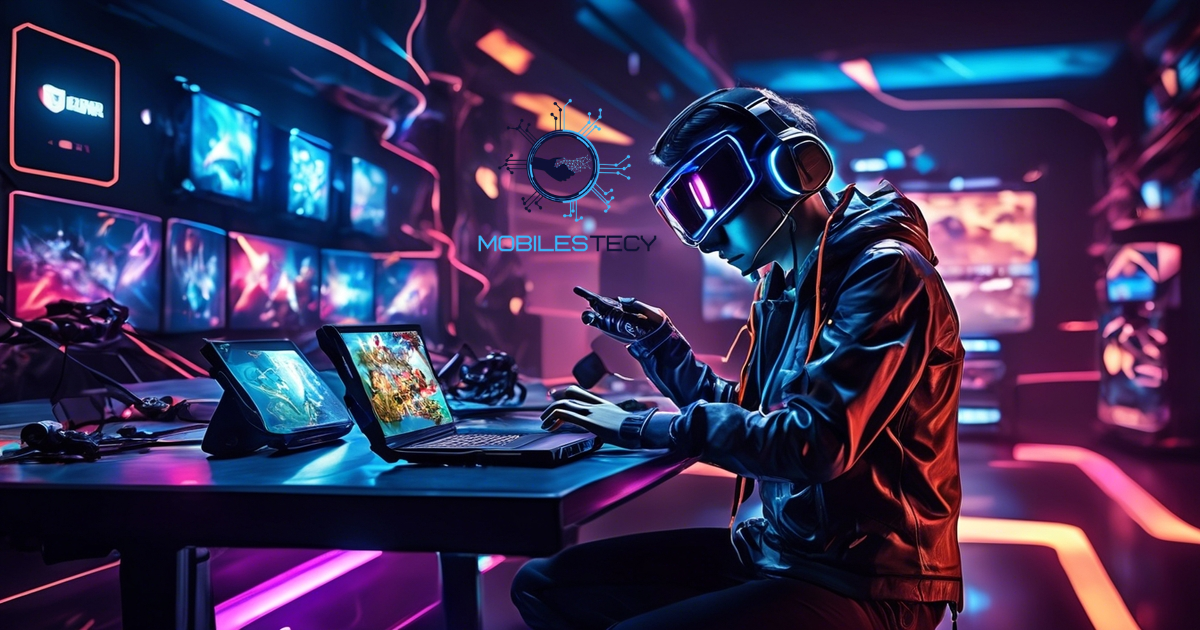
The gaming industry has transformed dramatically, evolving from simple pixels into breathtaking realities. Modern gamers now enjoy advanced storytelling, immersive graphics, and interactive multiplayer worlds. With every new innovation, technology continuously redefines how entertainment experiences are delivered. Developers and players alike witness gaming advancing into something more expansive daily.
Artificial Intelligence, Virtual Reality, and blockchain are shaping gaming’s exciting future. These technologies promise immersive gameplay, smarter environments, and broader accessibility worldwide. From consoles to mobile devices, innovation drives how communities connect globally. Gameplay no longer stands as simple pastime, but a lifestyle choice. The future of gaming appears limitless, powered by continuous technological breakthroughs.
As boundaries between digital and physical realities blur, opportunities grow rapidly. Gamers soon experience worlds indistinguishable from reality through next-generation immersive tools. Cloud gaming platforms ensure accessibility, eliminating reliance on expensive physical hardware. 5G networks and advanced connectivity expand access to millions of global players. The future promises revolutionary growth, merging creativity, technology, and human imagination.
Artificial Intelligence Shaping Smarter Game Worlds
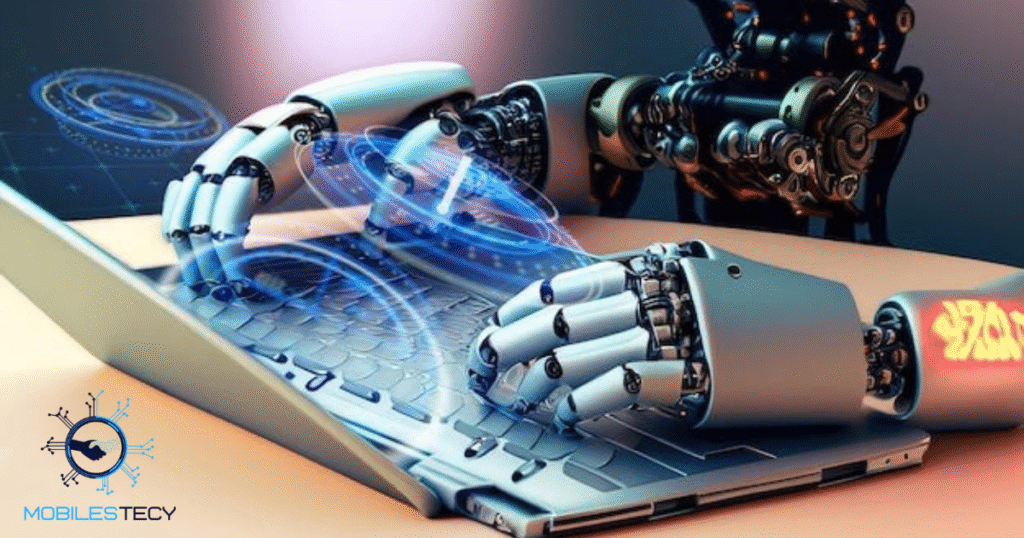
Artificial Intelligence is transforming how characters interact within complex virtual environments. NPCs now learn from players, adapting behaviors instead of following predictable scripts. This creates immersive experiences where every choice significantly alters game progression. Players enjoy tailored encounters, making each adventure unique and deeply personal.
Procedural generation powered by AI designs massive landscapes without manual human effort. Developers can build endless terrains, dungeons, or quests at remarkable efficiency. Players receive fresh challenges consistently, ensuring games never feel repetitive. AI-driven engines push creative possibilities beyond imagination, shaping vast open universes. This efficiency helps studios save resources while expanding innovation opportunities globally.
AI also personalizes difficulty, ensuring players remain engaged without feeling overwhelmed. Games adjust challenges in real time, matching skill levels dynamically. This responsiveness ensures enjoyment for beginners and experienced players alike. Future gaming promises smarter enemies, believable allies, and adaptive storytelling systems. Such advancements redefine immersion, transforming games into ever-evolving personal adventures.
Virtual Reality and Augmented Reality Transforming Immersive Experiences
Virtual Reality transports players into digital realms, creating lifelike sensory experiences. Headsets provide visual immersion while haptic devices simulate touch and movement. As technology advances, realism increases, blurring boundaries between reality and imagination. Players soon feel environments, textures, and atmospheres within entirely digital landscapes. This immersive future ensures gaming feels authentic, emotional, and fully interactive.
Augmented Reality overlays digital elements onto real environments, merging both dimensions. Games expand into streets, homes, or workplaces, enhancing everyday experiences. Players collaborate or compete through shared spaces visible using AR glasses. This combination brings communities together, offering entertainment seamlessly integrated with reality. Augmented play extends beyond fun, influencing education, work, and social communication.
Future VR and AR promise lightweight devices with greater comfort and usability. Current bulky hardware gradually disappears as technology advances toward sleek designs. Enhanced sensors will eliminate motion sickness, enabling longer immersive play sessions. Gamers will freely explore fantasy realms while remaining physically safe and active. These advancements redefine entertainment, creating new possibilities for social and creative engagement.
Blockchain and Digital Asset Ownership in Gaming

Blockchain technology is redefining digital ownership within the gaming world. It allows players to buy, sell, and trade in-game items as verifiable assets. Through NFTs, gamers can securely maintain control over their virtual belongings across multiple platforms.
Play-to-earn ecosystems have further accelerated this transformation. Millions of players now participate in blockchain-based games where completing missions, engaging in online competitions, and trading items can generate steady income.
Cloud Gameplay and 5G Expanding Global Accessibility
Cloud gaming technology removes the need for expensive hardware by streaming high-performance games directly to user devices. Players can enjoy advanced titles without powerful consoles or high-end PCs. This accessibility ensures that more people can participate in premium gaming experiences. Instant updates, subscription-based access, and reduced entry costs are driving rapid global adoption of cloud gaming. As a result, developers reach wider audiences, and players gain more convenient entertainment options.
Mobile devices, enhanced by cloud streaming, now support console-level graphics and gameplay. Smartphones, tablets, and lightweight laptops can all provide high-quality gaming experiences anywhere and anytime. This mobility greatly improves convenience and expands how, when, and where games are played. The broader reach helps developers engage more diverse international markets, making gaming more inclusive and universally available.
The expansion of 5G networks is strengthening this shift by delivering faster speeds and ultra-low latency. Multiplayer experiences become smoother and more responsive, bringing fairness to competitive online play. Gamers in remote or previously underserved regions gain access to experiences that were once limited to those with strong internet infrastructure. With 5G powering esports, mobile gaming, and global digital events, gaming is becoming a truly borderless form of entertainment.
Esports and Social Connectivity in Gameplay
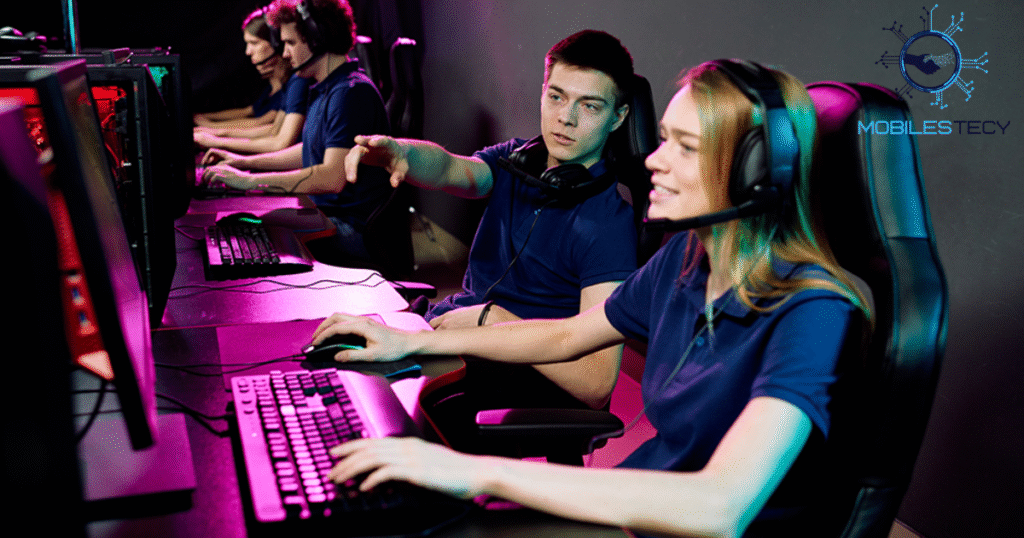
Esports is rapidly growing, rivaling traditional sports in audiences and revenue. Global tournaments attract millions, creating professional opportunities for skilled players. Fans connect virtually, celebrating games as cultural events transcending physical boundaries. Technology enhances viewing, offering interactive experiences beyond simple live streaming.
Gaming communities flourish, connecting people across continents through shared virtual interests. Platforms provide lounges, chatrooms, and arenas for collaborative social interaction. Spectators soon enjoy holographic matches and immersive viewing using VR headsets. These experiences strengthen gameplay identity as both entertainment and global lifestyle.
The Metaverse and Future Virtual Societies
The metaverse unites games, social networks, and economies into persistent universes. Players explore shared spaces, collaborate, trade, and socialize within virtual societies. This interconnected reality expands beyond entertainment, shaping business and educational opportunities. Future generations may spend significant time living within these expansive digital realms.
Metaverse innovation transforms gameplay into creative expression and entrepreneurial ventures. Artists, developers, and users build immersive experiences with endless possibilities. Interoperable systems allow assets to transfer freely between diverse gaming platforms. Such evolution highlights gaming’s power as culture, economy, and futuristic ecosystem.
- Artificial Intelligence creates smarter characters and adaptive storylines for players.
- Virtual Reality delivers immersive sensory experiences with lifelike visuals and interactions.
- Cloud gaming removes hardware barriers, streaming advanced titles to all devices.
- Blockchain secures ownership, letting gamers monetize digital assets through NFTs.
- 5G connectivity ensures seamless global gameplay with ultra-low latency connections.
Faq’s
How will Artificial Intelligence change future gameplay experiences globally?
AI creates smarter NPCs, adaptive storylines, and dynamic personalized challenges. Players enjoy unique worlds shaped directly by their individual gaming decisions.
Will cloud gameplay completely replace traditional consoles and gaming PCs?
Cloud streaming reduces hardware dependency, making premium games universally accessible. However, consoles may remain for enthusiasts who value physical gameplay systems.
How does Virtual Reality differ from Augmented Reality in gameplay?
Virtual Reality immerses players in complete digital environments with sensory depth. Augmented Reality overlays game elements directly onto real-world surroundings seamlessly.
Can blockchain and play-to-earn models generate sustainable player income?
Yes, blockchain enables ownership of assets with real-world trade opportunities. Play-to-earn gameplay creates new economies, supporting communities with financial potential.
What role will 5G networks play in gameplay rapid evolution?
5G ensures faster, smoother gameplay with minimal latency for online competition. It expands mobile gameplay opportunities, enhancing accessibility across global gameplay markets.
Conclusion
The future of gameplay stands as a testament to technological evolution. Artificial Intelligence, Virtual Reality, and cloud platforms redefine immersive entertainment. These innovations ensure gameplay becomes smarter, interactive, and globally accessible. Players gain opportunities to explore digital realms beyond traditional physical limitations. Gaming transforms into culture, lifestyle, and futuristic social-economic ecosystem worldwide.
Cloud technology and 5G connectivity eliminate entry barriers for global players. Anyone with devices can enjoy premium gaming without expensive hardware. This inclusivity drives diverse participation, strengthening communities across digital landscapes. Enhanced accessibility expands markets, encouraging developers to innovate more consistently. The gameplay industry benefits economically, culturally, and socially through widespread engagement.
Blockchain, esports, and metaverse growth highlight gaming’s powerful new direction. Players earn, create, and socialize within persistent virtual universes effectively. Communities thrive, building businesses, relationships, and experiences inside digital worlds. Future gameplay connects imagination and reality in seamlessly integrated ecosystems. The journey ahead promises limitless creativity, opportunities, and transformative entertainment.
Read more latest Articles on Mobilestecy.com