
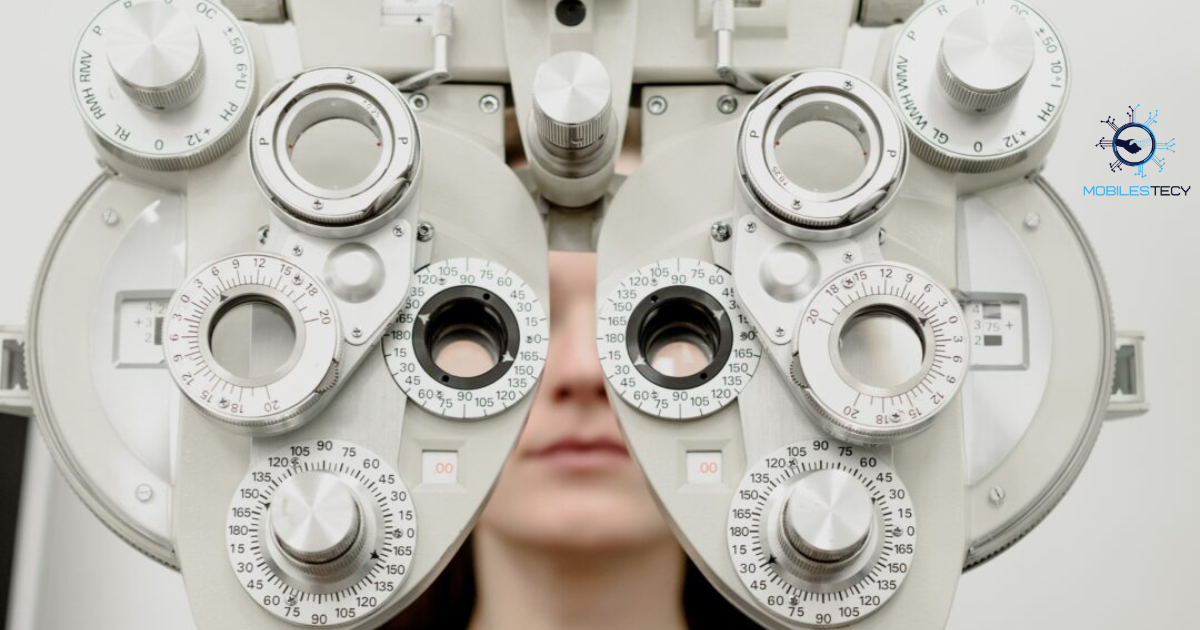
Vision coverage is important for overall health and wellbeing of individuals. Many people are unsure if health insurance covers routine eye exams. Coverage may include exams, lenses, frames, or medically necessary treatments. Understanding what is included in your plan prevents unexpected medical costs. Knowing your coverage allows planning for both preventive and specialized care. Regular eye exams can help detect conditions before they become severe.
Most standard health insurance plans focus primarily on general medical care. Routine vision services such as glasses or contacts often require extra coverage. Some plans include limited vision benefits, usually for children or special conditions. Separate vision insurance plans may be needed for adults seeking routine care. Reviewing your plan helps avoid paying high out-of-pocket expenses for eyesight.
Ignoring vision coverage can result in expensive costs if treatment is required. Eye health is connected to overall wellness and detecting other conditions early. Timely exams and preventive care reduce long-term vision problems and complications. Knowing coverage details ensures proper eye care and financial preparedness. Careful review allows choosing the right combination of health and vision insurance.
Table of Contents
Understanding Health Insurance and Vision Coverage

Health insurance primarily covers illness, hospitalization, and emergency medical treatment. Most plans cover medical eye issues like glaucoma, cataracts, or injuries. Routine eye exams and corrective lenses are generally not included in coverage. Pediatric vision care is often included under ACA-compliant insurance plans. Adults usually require separate vision insurance for regular eye checkups and eyewear.
Some comprehensive plans may include limited vision services for children only. Medically necessary procedures such as cataract surgery are generally covered fully. Insurance may cover emergency eye care caused by accidents or infections. Routine vision care usually requires a separate plan or additional policy rider. Distinguishing between preventive care and medical vision treatment prevents coverage confusion.
Vision coverage varies depending on employer, government program, or individual policy. Reviewing plan documents clarifies which services are included and which are not. Understanding plan limits ensures patients are aware of co-pays and annual allowances. Annual vision allowances often cover exams, frames, or lens replacements. Checking coverage ahead of time prevents surprise costs for routine eye care.
Types of Vision Coverage
Vision insurance plans provide routine eye exams, lenses, and frames separately. Some plans also offer discounts for elective procedures like LASIK surgery. Employer-sponsored plans may provide voluntary vision insurance as part of benefits. Individual plans can be purchased independently, offering tailored coverage and allowances.
Certain health plans may include limited vision benefits for children or seniors. Understanding coverage options ensures both adults and children receive necessary exams. Some plans include allowances for specialty lenses, contact lenses, and frames. Checking available options helps select the best combination of health and vision coverage.
Why Vision Coverage Is Important
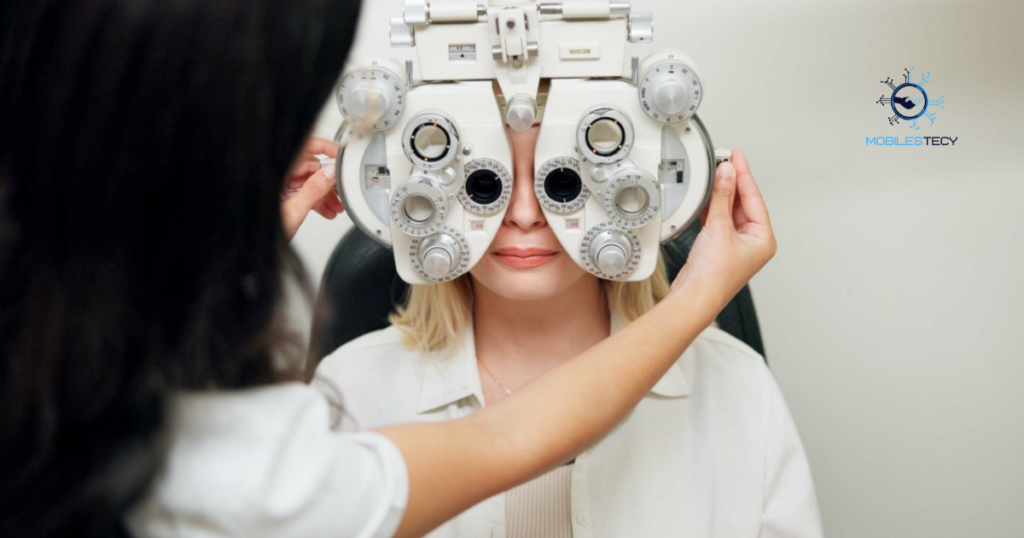
Routine eye exams detect early vision problems and prevent complications later. Exams can reveal other health issues, such as diabetes or high blood pressure. Vision coverage reduces out-of-pocket costs for glasses, contacts, and specialty treatments. Without coverage, routine eye care can become prohibitively expensive for many families. Early treatment prevents long-term vision problems and improves overall quality of life.
Certain conditions, like glaucoma or macular degeneration, require continuous treatment. Vision insurance ensures access to follow-ups and specialized eye care appointments. Timely exams and treatment preserve sight and prevent further health deterioration. Having coverage promotes regular checkups for both children and adults. Preventive vision care is critical for maintaining healthy eyesight throughout life.
Health insurance usually covers emergency eye care but rarely routine services. Separate vision insurance fills gaps for exams, frames, and lenses consistently. Discount programs and tele-optometry services also help cover routine vision costs. Using health savings accounts can pay for eye exams and corrective lenses. Proper vision coverage ensures affordable access to essential preventive and corrective care.
How Vision and Health Insurance Differ
Health insurance covers medical treatments and emergencies, not routine vision care. Vision insurance specifically covers exams, lenses, frames, and sometimes LASIK procedures. Some plans include pediatric vision as part of preventive care requirements. Adults generally require separate vision plans for routine eye exams and corrective eyewear.
Understanding the difference ensures correct billing and avoids unexpected out-of-pocket expenses. Vision insurance may have separate networks, limits, and co-pays from health insurance. Choosing both types ensures comprehensive coverage for general health and eyesight.
Costs and Common Services
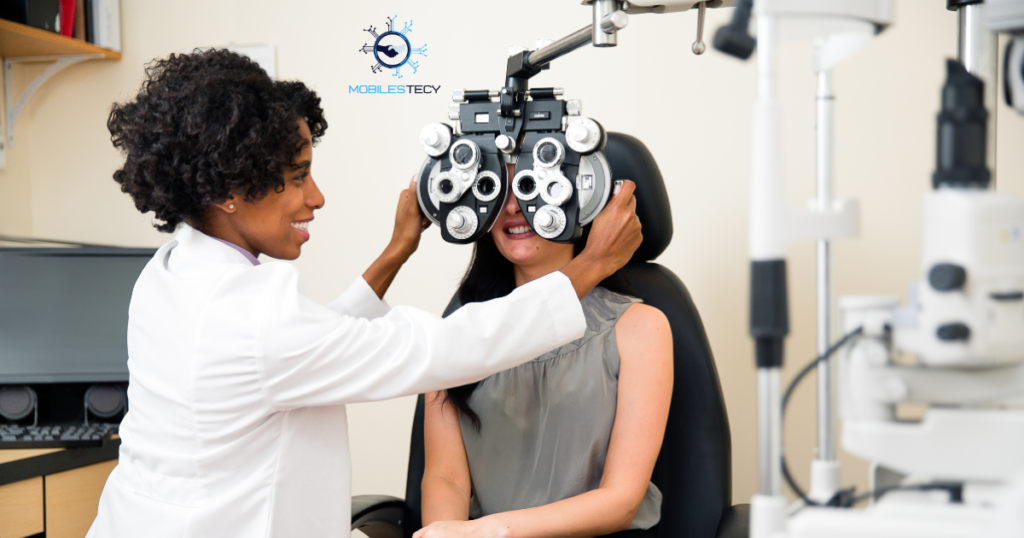
Routine eye exams typically cost $50–$100 without insurance coverage in most areas. Glasses and contact lenses can cost hundreds of dollars out-of-pocket annually. Vision insurance often provides annual allowances for frames, lenses, or contacts. Medically necessary procedures like cataract surgery may be covered under health insurance. Elective procedures, such as LASIK, may receive discounts through vision insurance plans.
Vision plans often provide additional coverage for follow-ups and specialty lenses. Patients can benefit from negotiated rates that reduce overall vision care costs. Understanding the cost structure helps avoid unexpected financial burdens for eyewear. Coverage may also include protective lenses, anti-reflective coatings, or specialized prescriptions. Reviewing limits and co-pays helps maximize savings while maintaining comprehensive care.
Vision coverage may also include follow-up exams and chronic condition monitoring. Patients with glaucoma or macular degeneration may need ongoing treatment coverage. Having vision insurance prevents unexpected bills and encourages timely medical care. Some plans include allowances for specialty lenses or prescription upgrades yearly. Comparing plans ensures coverage aligns with personal needs and financial budget.
Checking Your Coverage
Review insurance policy documents carefully for vision or eye care coverage. Look for terms like “eye exams,” “frames,” “lenses,” or “contacts” mentioned explicitly. Call your insurance provider if documentation is unclear or coverage seems incomplete. Confirm details such as co-pays, limits, and eligibility frequency for eye exams.
Many plans provide online portals showing coverage, network providers, and available benefits. Comparing multiple options ensures the best combination of health and vision coverage. Understanding limitations prevents unexpected expenses for exams, lenses, or procedures. Reviewing plan specifics helps budget for both routine and emergency eye care.
- Vision coverage reduces financial burden for exams, lenses, and corrective procedures.
- Routine eye exams help detect early vision problems and other health issues.
- Pediatric vision care is often included under ACA-compliant health insurance plans.
- Adults usually need separate vision insurance for routine exams and eyewear.
- Understanding your plan prevents surprise costs and ensures proper eye care.
Faq’s
Is vision included in standard health insurance?
Routine eye exams are usually not included, but medical procedures may be. Coverage varies depending on plan type and provider network.
Are children’s eye exams covered by insurance?
Yes, many ACA-compliant plans include pediatric exams and lenses as preventive care. This helps ensure early detection of vision problems in children.
Can adults get vision coverage through health insurance?
Adults generally need separate vision insurance for exams, glasses, or contacts.
Are surgeries like cataracts covered under insurance?
Medically necessary eye surgeries are usually covered under standard health insurance policies. This includes procedures required to restore or maintain sight.
How can I check if vision is included in my plan?
Review documents, call customer service, or check online portals for clarity. Always confirm co-pays, limits, and in-network provider availability beforehand.
Conclusion
Vision care is essential for overall health, but routine services are often excluded from standard health insurance. Children may have coverage under ACA-compliant plans, while adults usually require separate vision insurance. Understanding your coverage ensures access to preventive exams, corrective lenses, and necessary treatments. Regular monitoring of your plan helps prevent surprise costs during routine visits.
Having vision insurance reduces out-of-pocket costs and encourages regular eye exams. Early detection of vision problems prevents serious complications and maintains quality of life. Combining health insurance and vision insurance ensures comprehensive coverage for both medical and eye health needs. Coverage evaluation also encourages adherence to treatment schedules for chronic conditions.
Even if vision is not included, alternatives like separate plans, discounts, or FSAs exist. Proper planning allows for affordable, timely care and prevents future vision complications. Maintaining regular eye exams improves overall health, preserves sight, and reduces long-term healthcare costs. Using available resources ensures individuals receive the care they need efficiently. Prioritizing vision health supports overall wellness and reduces future medical burdens.
Read more latest Articles on Mobilestecy.com