
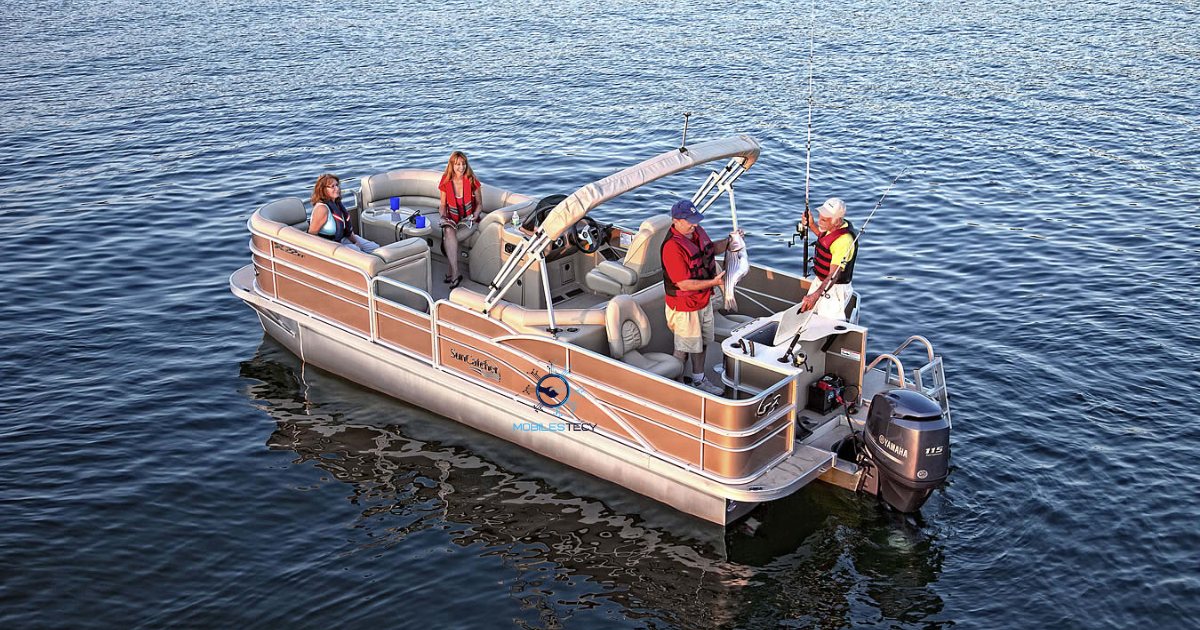
Boating provides exciting adventures and fun on lakes, rivers, and oceans. Owning a boat comes with responsibilities including safety, maintenance, and insurance. Many boat owners wonder whether insurance is legally required for protection. Understanding insurance requirements helps avoid financial risks and unexpected expenses effectively. Insurance provides peace of mind while enjoying recreational activities on the water.
Boat insurance protects vessels from accidents, theft, and damage from natural events. Without coverage, owners risk paying thousands of dollars for repairs or replacement. Liability claims can occur from collisions or accidents involving property or people. Insurance can cover medical expenses, legal fees, and damages in such situations. This financial protection makes insurance a valuable investment for all boat owners.
Requirements for boat insurance vary based on location, type, and financing agreements. Some states mandate liability coverage or specific insurance for commercial or passenger boats. Lenders often require insurance when providing loans for boat purchases or mortgages. Even if not legally required, insurance is highly recommended for responsible ownership. Understanding policies and coverage options ensures owners make informed financial decisions.
Table of Contents
Legal Requirements for Boat Insurance
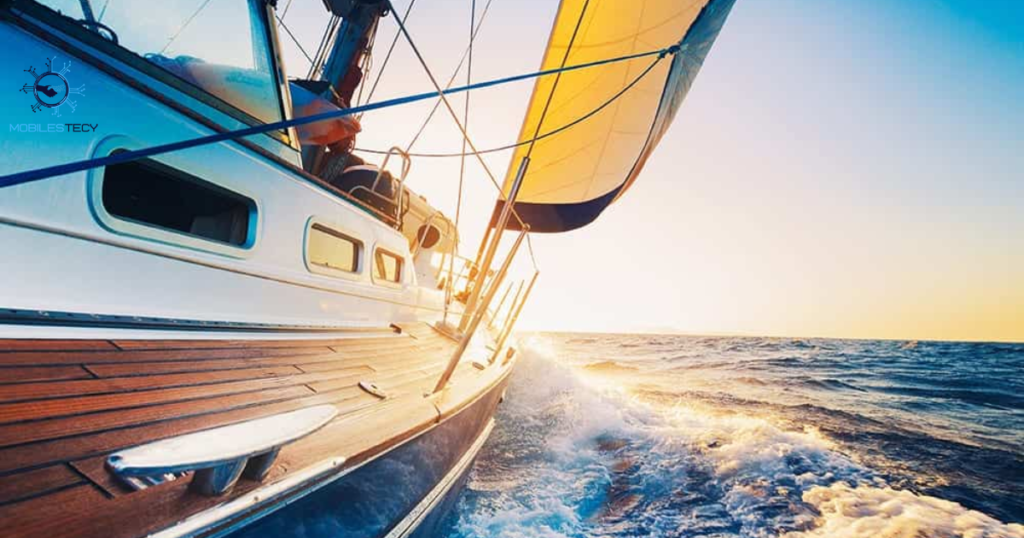
Boat insurance laws vary depending on state, country, and vessel type. Most recreational boats do not require insurance under federal or state law. Exceptions exist for commercial vessels, passenger boats, or certain regulated waterways. Some states require liability coverage for boats operating in high-traffic areas. Boat owners should confirm local laws before assuming insurance is optional completely.
Financed boats almost always require insurance to protect lenders’ financial interests. Insurance ensures that damage or loss does not result in loan default. Without coverage, lenders may prohibit use or repossess the boat immediately. This requirement is similar to car loans, where full insurance is mandatory. Owners should carefully review finance agreements to understand insurance obligations clearly.
Liability laws also protect third parties involved in boating accidents or injuries. Even if insurance is optional, owners can face lawsuits without proper coverage. Legal claims may include property damage, personal injury, or negligence-related accidents. Liability coverage mitigates these risks and prevents potential financial devastation effectively. Boat owners should consider insurance as a safeguard against unforeseen liabilities.
Types of Boat Insurance Coverage
Liability coverage protects owners from damages or injuries caused to others. It is essential to cover accidents, collisions, or property damage claims. This coverage is similar to auto liability insurance in purpose and scope. Without it, lawsuits could result in expensive personal financial responsibility for owners.
Collision coverage protects the boat from impacts with other boats or objects. It covers repair or replacement costs if damage occurs accidentally on water. Comprehensive coverage safeguards against non-collision events like theft, fire, or vandalism. Optional coverage may include towing, personal belongings, and onboard equipment protection.
Benefits of Having Boat Insurance
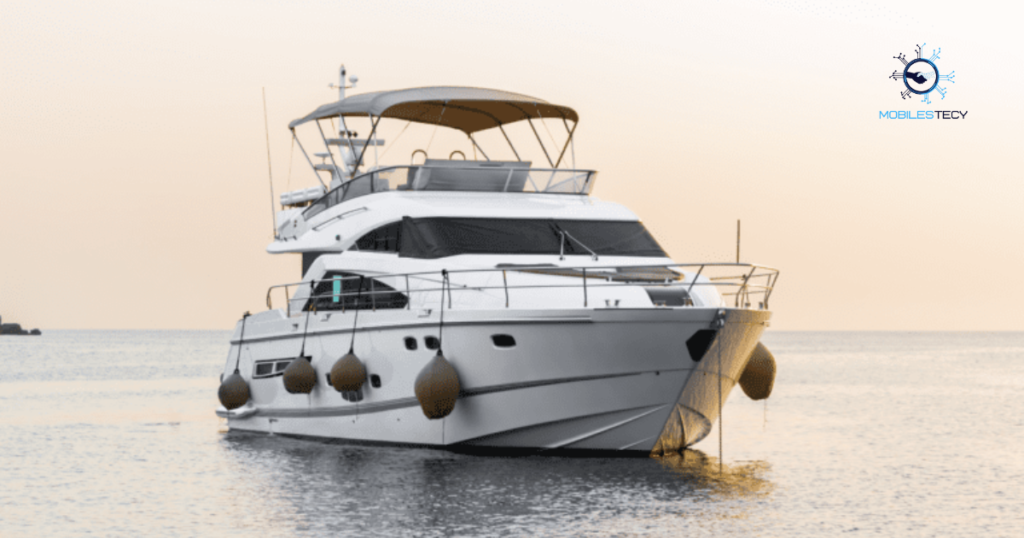
Insurance provides financial protection for accidents, theft, or natural disasters effectively. Boat repairs or replacement costs can be extremely high without proper insurance. Liability coverage prevents lawsuits and protects personal assets from unexpected claims. Emergency services like towing or salvage may also be included in policies. Insurance ensures owners enjoy boating safely without constant worry about potential losses.
Financing becomes easier with insurance because lenders often require proof of coverage. Insurance may also increase resale value by demonstrating responsible ownership and maintenance. Premiums vary based on boat type, location, usage, and safety features. Safety courses or devices can reduce premiums while enhancing overall vessel protection. Comparing policies helps owners find affordable coverage meeting all necessary requirements.
Even if not required by law, insurance provides peace of mind always. Boaters can protect themselves against financial devastation from accidents or environmental damage. Coverage ensures recovery from loss, whether partial or total, after unforeseen events. Owners maintain financial security while enjoying recreational activities without unnecessary risk exposure. Overall, insurance is a practical and wise investment for all boat owners.
Costs of Boat Insurance
Insurance costs depend on vessel type, value, size, and operating location. Smaller boats used in freshwater lakes are generally cheaper to insure than yachts. Premiums increase with boat size, engine power, or usage in high-risk areas. Owners with safety certifications or alarms may qualify for discounts on policies.
Annual premiums can range from a few hundred dollars to over ten thousand. Liability-only policies are typically more affordable than full coverage including collision. Comparing multiple insurers helps find the best rate for comprehensive protection. Budgeting for insurance is essential to avoid unexpected financial strain during ownership.
Risks of Not Having Boat Insurance
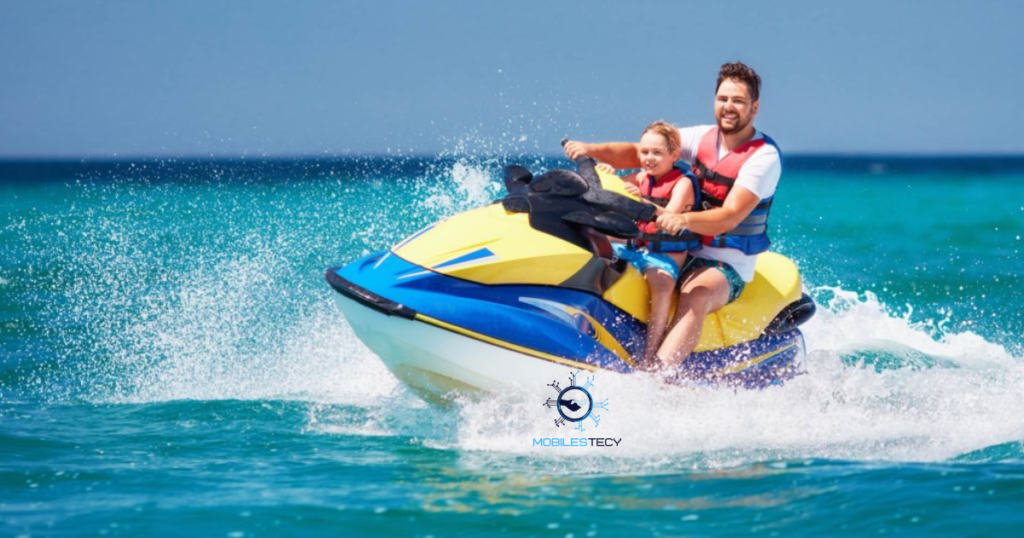
Operating a boat without insurance exposes owners to financial and legal dangers. Even minor accidents can result in costly repairs or liability claims immediately. Natural disasters or theft can leave owners with total loss and no reimbursement. Legal claims from property damage or injuries can exceed boat value drastically. Insurance coverage reduces financial exposure and ensures responsible boating practices are maintained.
Liability claims may include lawsuits or compensation for injuries caused by negligence. Legal fees and settlements can financially devastate uninsured boat owners completely. Without coverage, owners bear full responsibility for damages or medical costs personally. Comprehensive insurance ensures financial protection against accidents, theft, or environmental hazards.
Owners should view insurance as an essential safeguard, not an optional expense. Uninsured boat owners also risk loss of credibility with lenders, marinas, or buyers. Financing agreements or marina contracts may require proof of valid insurance coverage. Failure to provide insurance can result in denied access or contract termination. Potential buyers may hesitate to purchase uninsured boats due to liability concerns.
Tips for Choosing Boat Insurance
Evaluate boat type, usage, and value to determine required coverage options. Liability, collision, comprehensive, and optional coverages should match your boating needs. Compare quotes from multiple providers to ensure cost-effective and reliable protection. Review deductibles, policy limits, and exclusions to avoid surprises later in claims.
Safety features can lower insurance premiums and reduce potential risks effectively. Boating safety courses demonstrate competence and may also qualify for discounts. Install alarms, GPS tracking, and fire suppression devices to enhance coverage benefits. Annual policy review ensures coverage remains adequate as boat value or usage changes.
- Boat insurance is usually optional but strongly recommended for financial protection.
- Liability coverage protects against lawsuits, property damage, or personal injury claims.
- Comprehensive coverage ensures protection against theft, fire, and natural disasters effectively.
- Financing a boat often requires proof of insurance from lenders or banks.
- Premiums vary based on boat type, usage, safety features, and location.
Faq’s
Is boat insurance legally required in all states or countries?
No, most states and countries do not mandate insurance for recreational vessels.
What are the main types of boat insurance coverage available?
Liability, collision, comprehensive, medical payments, and uninsured boater coverages exist.
Does financing a boat require insurance coverage from lenders?
Yes, lenders typically require insurance to protect their financial investment.
How much does boat insurance cost annually on average?
Costs vary from $200 for small boats to over $10,000 for yachts.
What are the risks of operating a boat without insurance coverage?
Owners face financial loss, legal claims, lawsuits, and repair expenses personally.
Conclusion
Boat insurance is not universally required by law but provides essential financial protection. It covers accidents, liability claims, theft, and natural disasters, reducing potential financial devastation. Even if optional, insurance ensures recovery after loss, providing peace of mind for boat owners. It is a wise investment for both recreational and financed vessels. Responsible owners should consider coverage mandatory for long-term security and safe boating practices.
Financing or purchasing a boat is easier with insurance because lenders often mandate coverage. Liability protection safeguards owners against costly lawsuits or compensation claims after accidents. Comprehensive policies cover theft, fire, and damages, ensuring owners are not personally responsible. Safety features and courses can reduce premiums while enhancing vessel protection effectively. Insurance also increases resale value by demonstrating responsible ownership to potential buyers.
Not having insurance exposes boat owners to significant financial and legal risks daily. Accidents, natural disasters, and lawsuits can result in losses exceeding the boat’s actual value. Choosing the right coverage, comparing policies, and reviewing terms regularly helps maximize benefits. Owners can enjoy boating safely knowing they are financially protected in emergencies. Overall, boat insurance is a practical and responsible choice for every vessel owner.
Read more latest Articles on Mobilestecy.com