Auto insurance is one of the most important financial protections a driver can have. In the United States, car accidents, theft, and other road-related incidents can result in high costs. Insurance helps cover medical expenses, vehicle repairs, and legal liabilities, which can otherwise be overwhelming. Many people wonder if carrying auto insurance is legally required or optional in the US.
Insurance not only safeguards your finances but also protects others involved in accidents. Liability coverage ensures that you can cover medical and property costs for third parties. Without insurance, you may face lawsuits or pay expensive repairs from your own funds. States have enacted laws requiring drivers to carry at least minimum coverage to reduce financial risks.
Even in states where insurance is technically optional, drivers face financial risks if they choose not to purchase coverage. Paying out of pocket for accidents, injuries, or stolen vehicles can be financially devastating. Additionally, many states require uninsured drivers to show proof of financial responsibility after accidents. Insurance laws differ, and penalties for non-compliance can include fines, license suspension, or vehicle registration revocation.
Table of Contents
Auto Insurance Requirements by State

In most US states, drivers are required to carry liability insurance, which pays for damages you cause to others. Liability typically includes Bodily Injury (BI) and Property Damage (PD) coverage. BI covers medical costs, legal fees, and pain and suffering for accident victims. PD pays for repairing or replacing damaged vehicles or property caused by the accident. States set minimum coverage limits, for example, $25,000 per person for bodily injury and $50,000 per accident.
Some states have no-fault insurance laws, requiring drivers to carry Personal Injury Protection (PIP). PIP pays for your medical expenses and lost wages regardless of who caused the accident. No-fault states limit the right to sue for pain and suffering unless certain thresholds are met. This system helps speed up compensation and reduce legal conflicts after accidents. Even in no-fault states, liability coverage for property damage may still be required.
A few states, like New Hampshire and Virginia, allow drivers to opt out of traditional auto insurance. Drivers must instead prove financial responsibility to cover potential damages. This proof can include a bond, cash deposit, or other methods specified by law. Opting out is rare, and most drivers still choose to maintain insurance for protection. Even in these states, uninsured drivers can face severe financial consequences in accidents.
Penalties for Driving Without Insurance
Driving without the legally required auto insurance can result in serious consequences. States may issue fines ranging from hundreds to thousands of dollars for first-time violations. Repeat offenses often lead to higher fines, license suspension, or even jail time. Vehicle registration may be revoked until proof of insurance is provided.
Legal penalties are not the only concern; financial risk is enormous without insurance. Accident victims may sue you personally for injuries or property damage. Medical bills, repair costs, and legal fees can quickly reach tens of thousands of dollars. Even a minor accident without insurance can lead to bankruptcy or long-term debt.
Types of Coverage

Liability coverage is the backbone of mandatory auto insurance. It protects others when you are at fault in an accident. Bodily Injury liability pays for medical expenses and legal costs of injured parties. Property Damage liability covers repairs or replacement of the other driver’s vehicle. Minimum state limits vary, and drivers may choose higher limits for extra protection. Liability coverage does not cover your injuries or vehicle damages.
Collision insurance is optional but recommended, especially for financed or leased vehicles. It covers repairs to your own vehicle after a crash, regardless of fault. Deductibles are applied before the insurer pays for remaining damages. This coverage protects against financial losses from accidents that are your fault. Lenders often require collision insurance to secure the loan. Collision ensures you can repair or replace your car efficiently.
Comprehensive coverage protects your vehicle from non-collision events, including theft, fire, or natural disasters. Falling objects, vandalism, or hitting animals are also covered under comprehensive insurance. Deductibles apply, and coverage amounts depend on the vehicle’s value. Comprehensive is typically optional but often required by lenders or lease agreements. This coverage reduces out-of-pocket costs for unpredictable damages beyond driver control.
Financial Responsibility and SR-22
An SR-22 is a certificate proving financial responsibility in certain states. States require SR-22 after serious traffic violations or accidents without insurance. It ensures that high-risk drivers maintain auto insurance coverage for a set period. Drivers without valid SR-22 may face additional fines or license suspension.
Maintaining SR-22 increases insurance premiums, but it restores legal driving privileges. Many insurers provide SR-22 filings for an additional fee. Failing to comply with SR-22 requirements can result in long-term legal consequences. Drivers must understand the terms, duration, and state-specific rules for SR-22 compliance.
Benefits of Carrying Auto Insurance
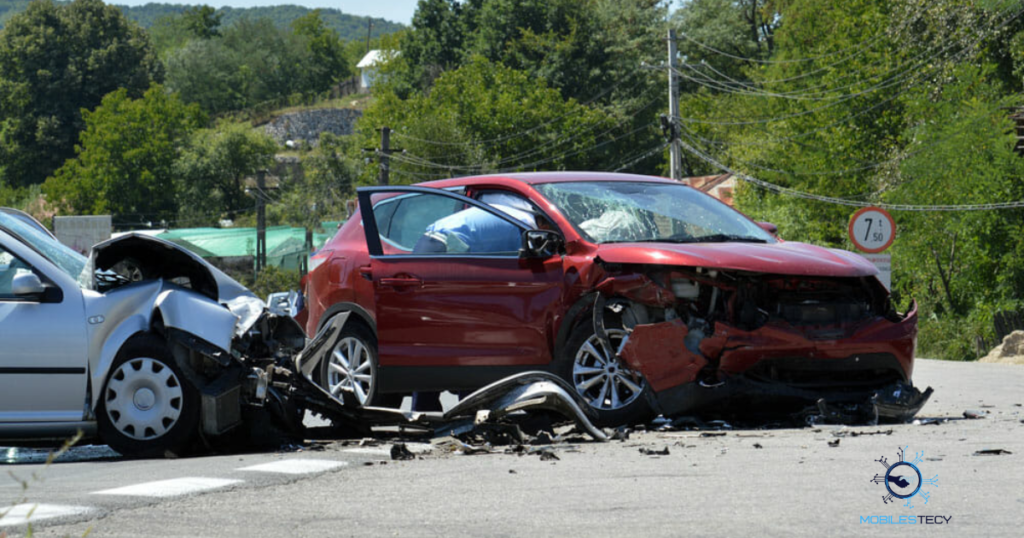
Auto insurance shields drivers from high medical and vehicle repair costs. Liability coverage pays for third-party injuries and property damage after accidents. Collision and comprehensive policies protect against personal vehicle losses. Insurance prevents drivers from facing bankruptcy due to expensive accidents. Uninsured motorist coverage protects when others lack insurance.
Maintaining insurance keeps drivers compliant with state laws and avoids penalties. Proof of insurance is required during traffic stops, registrations, and inspections. Driving without coverage increases the likelihood of fines, license suspension, or legal trouble. Compliance promotes safer driving and ensures victims are compensated for damages. Auto insurance protects both personal finances and the welfare of other road users.
Insurance provides confidence that accidents will not cause financial devastation. Drivers can focus on the road, knowing medical and vehicle costs are covered. Comprehensive coverage protects against unexpected events like theft, fire, or weather damage. Even minor collisions become manageable without incurring personal financial losses. Insurance encourages responsible driving and provides long-term financial security.
How to Choose the Right Coverage
Evaluate state requirements to ensure compliance with minimum liability limits. Consider additional coverage like collision, comprehensive, or uninsured motorist for extra protection. Compare quotes from multiple insurers to find affordable premiums. Higher deductibles can reduce premiums but increase out-of-pocket costs.
Review policy exclusions, terms, and limits before purchasing coverage. Consulting insurance agents or online tools can simplify the selection process. Choosing the right policy requires understanding coverage types, deductibles, and state-specific requirements. Knowledge of state laws and insurance options empowers drivers to make informed decisions.
- Liability insurance is required in nearly every state in the United States.
- Driving without insurance can result in fines, license suspension, or jail.
- Collision and comprehensive coverage are optional but protect your own vehicle.
- SR-22 proves financial responsibility for high-risk or uninsured drivers.
- Auto insurance provides financial protection, legal compliance, and peace of mind.
Faq’s
Is auto insurance mandatory in all US states?
Most states require liability insurance, with exceptions like New Hampshire or Virginia.
What is an SR-22 and when is it required?
An SR-22 proves financial responsibility after serious violations or uninsured accidents.
Can I legally drive without insurance in the US?
Only in a few states, with proof of financial responsibility alternatives required.
What happens if I get caught driving without insurance?
Fines, license suspension, registration revocation, and legal liabilities may occur.
Does collision coverage count as mandatory insurance?
No, collision is optional but often required by lenders or lease agreements.
Conclusion
Auto insurance is mandatory in most US states to protect drivers and others. State laws specify minimum liability coverage and, in some areas, PIP or additional protections. Driving without insurance risks financial loss, legal penalties, and personal liability. Optional coverage, including collision, comprehensive, and uninsured motorist policies, enhances protection for drivers. Maintaining insurance ensures compliance with the law and provides peace of mind.
SR-22 filings restore driving privileges for high-risk drivers while confirming financial responsibility. Insurance prevents catastrophic costs from accidents, theft, or natural events that damage vehicles. Comparing multiple policies helps drivers balance coverage, premium costs, and out-of-pocket expenses. Optional coverages ensure that unexpected events do not lead to financial hardship.
Drivers benefit from discounts, multi-policy bundling, and safe driving practices to reduce premiums. Reviewing policies regularly ensures adequate coverage for changing vehicles or driving habits. Auto insurance encourages responsible driving while offering long-term financial security and legal protection. Understanding insurance requirements allows drivers to avoid penalties and secure adequate protection.
Read more latest Articles on Mobilestecy.com