
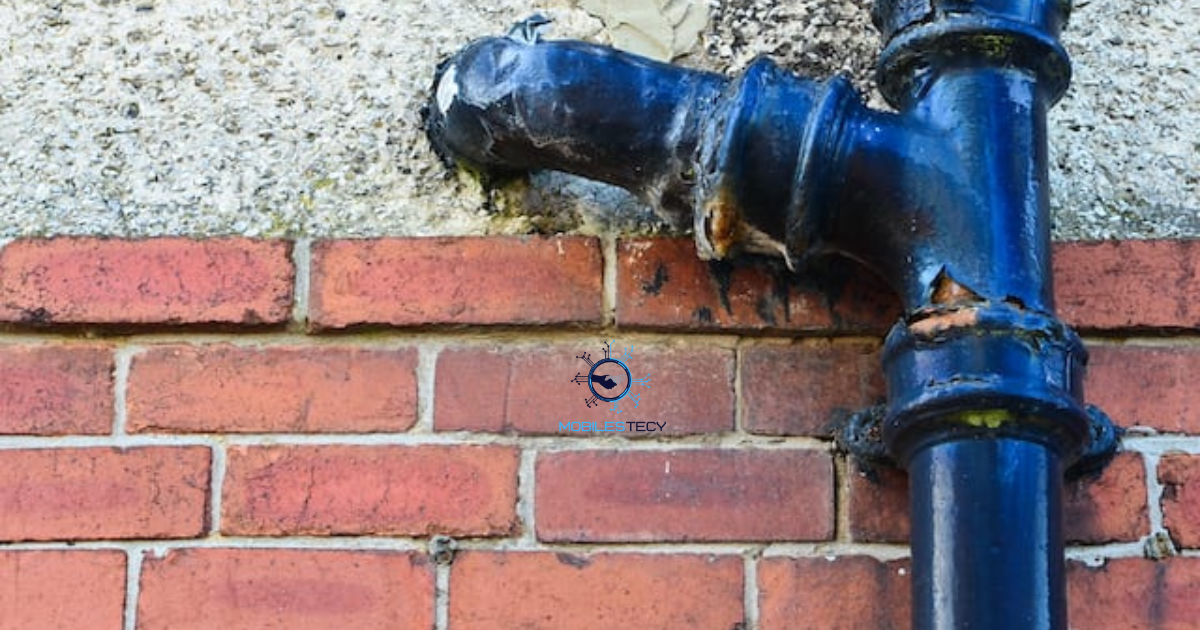
Homeowners insurance is designed to protect your property and possessions from unexpected damages. However, not every repair or replacement is automatically covered. One common question among homeowners is whether insurance covers replacing cast iron pipe, which are prone to corrosion, leaks, and blockages over time. Cast iron pipe were commonly installed in homes built before the 1970s.
Cast iron pipe failures often result in water damage, mold, or structural issues if left unaddressed. While homeowners insurance typically covers sudden and accidental water damage, it generally does not cover gradual wear and tear. Insurance policies are designed to protect against unexpected events rather than normal maintenance. Because cast iron pipes deteriorate over time, replacements due to age are often excluded.
Insurance coverage for plumbing issues depends on the cause of the damage, the policy type, and any endorsements. Standard policies often include sudden water discharge from plumbing, heating, or air conditioning systems. They may also cover secondary damage, like flooring, drywall, or furniture, caused by the sudden water event. However, policies usually exclude pipe replacement due to corrosion, rust, or gradual deterioration.
Table of Contents
Key Features of Cast Iron Pipes and Common Problems
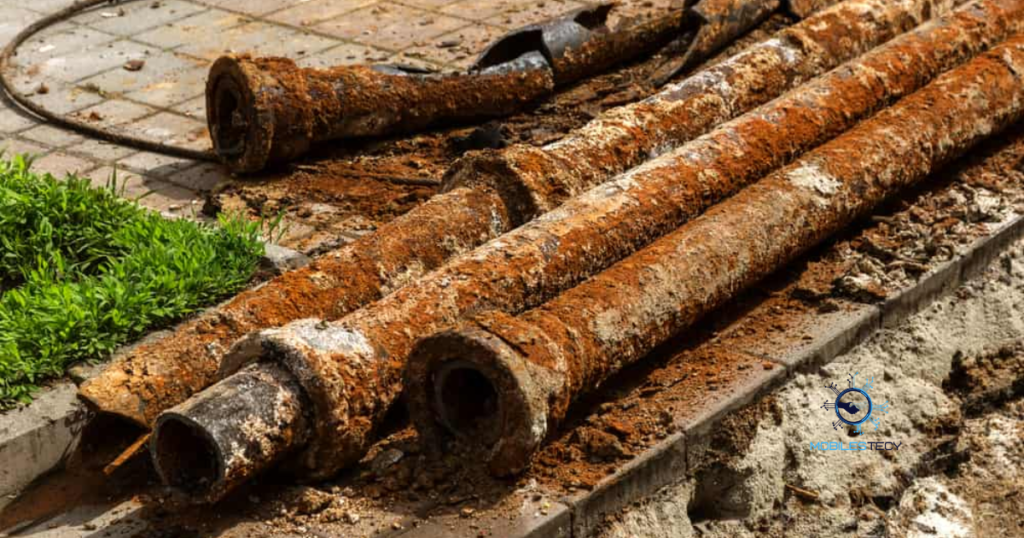
Cast iron pipes are known for their durability and noise reduction compared to modern plastic piping. They resist sound better than PVC or copper, making plumbing quieter in homes. However, they are prone to corrosion over decades of use in many households. Roots, acidic water, or constant moisture can accelerate deterioration of these pipes. Blockages, leaks, and cracks become common problems as the system ages naturally.
Corrosion is a primary concern in aging cast iron plumbing systems. Over time, rust weakens the metal and creates pinhole leaks that may worsen. Leaking pipes can lead to mold growth, structural damage, and flooring problems. Sudden pipe bursts may qualify as covered events, but gradual rust is excluded. Regular inspections can help identify problems before they escalate into expensive repairs.
Blockages and tree root intrusion are also frequent cast iron pipe problems. Roots can infiltrate cracks, causing leaks or completely obstructing water flow. Sewage backups may occur, creating health hazards and property damage risks. Insurance may cover sudden sewage backup if properly endorsed or included in the policy. Maintenance and preventive repairs are typically the homeowner’s responsibility under standard coverage.
Typical Homeowners Insurance Coverage
Homeowners insurance generally covers sudden and accidental water damage caused by pipes. If a cast iron pipe bursts unexpectedly, resulting water damage is usually covered. Coverage often includes damage to walls, floors, furniture, or personal property nearby. The cause must be sudden, accidental, and not due to poor maintenance or age.
Back-up of sewers or drains due to sudden pipe damage may also be covered. Homeowners can purchase riders to protect older plumbing systems or specific water damage scenarios. Coverage limits, deductibles, and exclusions should be reviewed with the insurance agent. Having the right endorsements can reduce out-of-pocket costs for pipe failures unexpectedly.
Situations Where Insurance Might Cover Pipe Replacement
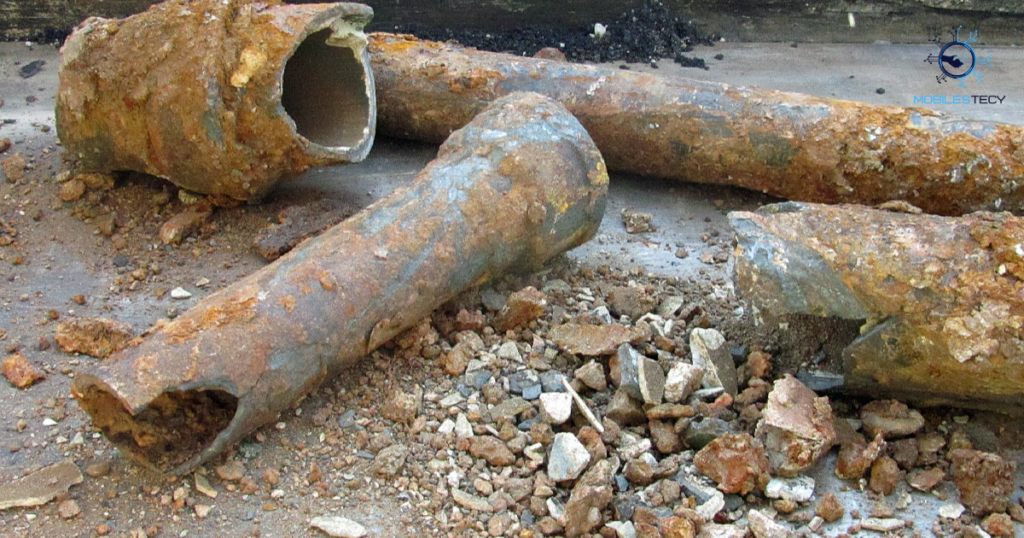
Sudden burst pipes due to freezing or accidental damage often qualify for coverage. For example, pipes cracking during an unexpected cold snap may be insured. Accidental discharge of water causing damage to the home interior is usually covered. Insurance may reimburse repairs to walls, ceilings, flooring, and affected furnishings. Damage caused by fallen objects or accidents affecting plumbing may also be covered.
The key factor is that the incident must be sudden and unexpected. Working with a professional adjuster can help determine what damage qualifies for coverage. Understanding these issues helps homeowners assess whether insurance might cover repairs effectively. Working with adjusters and professional plumbers ensures repairs are compliant and fully documented. Homeowners can protect their property and finances by understanding coverage limitations clearly.
Insurance may also cover secondary damage from a covered water incident. Mold remediation or repairs due to water leakage might be eligible for reimbursement. Flood damage is typically excluded but may be covered under a separate flood policy. Damage caused gradually by pipe corrosion or age is not covered under standard insurance. Homeowners should document sudden events carefully to ensure claims are processed successfully.
Exclusions and Limitations
Most insurance policies exclude wear and tear, corrosion, and maintenance-related issues. Replacing old cast iron pipes due to normal deterioration is the homeowner’s responsibility. Insurance companies focus on sudden, accidental damage rather than long-term plumbing degradation. Policies may limit coverage for plumbing systems older than a specified age. Reviewing policy language carefully can prevent misunderstandings during claim submissions.
Sewer backup or water damage endorsements can fill some coverage gaps. These riders may reimburse repairs for damage caused by blocked or burst pipes. Endorsements usually carry additional premiums and may have limits on payouts. Even with endorsements, replacement of deteriorated pipes may still be excluded entirely. Policyholders must understand the difference between covered water damage and excluded maintenance.
Cost Considerations and Replacement Tips
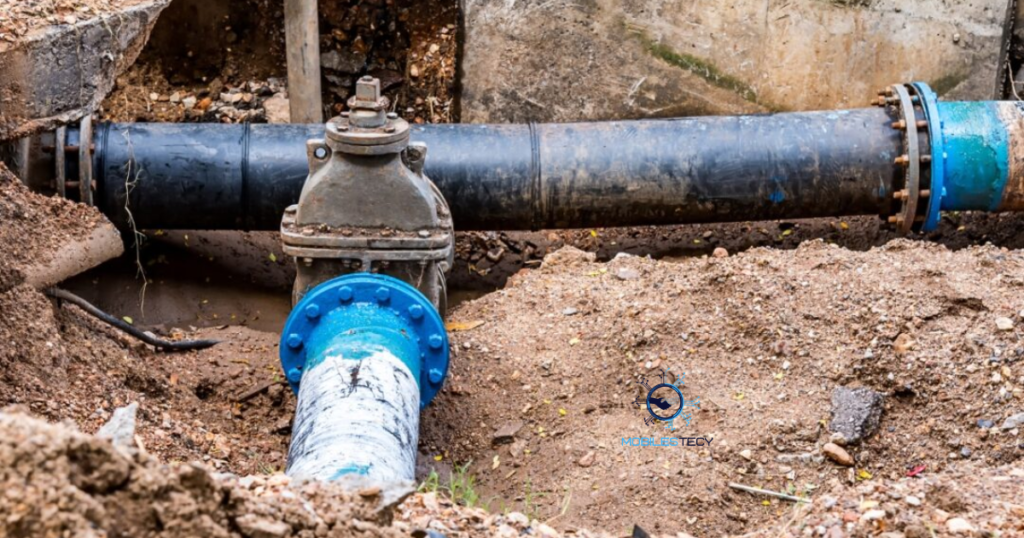
Replacing cast iron pipes can be expensive due to labor and material costs. Homeowners may spend thousands of dollars upgrading to PVC, copper, or PEX piping. Insurance coverage rarely pays for full replacement unless damage results from a covered peril. Preventive maintenance, inspections, and timely repairs can extend the life of pipes. Documenting pipe conditions and leaks can support insurance claims for sudden damage.
However, if a sudden event, such as a pipe bursting or accidental discharge, occurs, insurance may cover the resulting damage. Knowing the difference between covered perils and maintenance responsibilities can save homeowners from costly misunderstandings. Some insurers offer endorsements or riders to cover older pipe systems. Homeowners should review their policies carefully and discuss coverage options with their insurance agent.
DIY solutions or partial replacements may reduce costs but require permits and skill. Professional plumbing services ensure compliance with building codes and prevent additional damage. Insurers may require proof of maintenance to approve claims for sudden water events. Budgeting for pipe replacement as part of home maintenance planning is advisable. Regular inspections by a licensed plumber help identify risks and prevent costly surprises.
Preventive Measures for Homeowners
Insulate pipes to prevent freezing during cold weather months effectively. Inspect and maintain sewer lines to prevent root intrusion and blockages. Schedule routine plumbing inspections to detect corrosion or leaks early. Install backflow valves or sump pumps to reduce risk of water damage. Document maintenance and repairs to support potential insurance claims confidently.
While durable for decades, they can develop cracks, rust, or root intrusion, leading to significant plumbing problems. Understanding your insurance policy, exclusions, and potential coverage options is essential before assuming replacements are included. Understanding coverage limits and deductibles helps manage potential out-of-pocket expenses effectively.
• Homeowners insurance usually covers sudden, accidental water damage from burst pipes.
• Gradual wear and tear, corrosion, or aging pipes are typically excluded.
• Endorsements may cover sewage backups or plumbing system failures unexpectedly.
• Preventive maintenance and inspections reduce risks and support insurance claims effectively.
• Replacement of cast iron pipes due to deterioration is mostly homeowner responsibility.
Faq’s
Does homeowners insurance cover cast iron pipe replacement automatically?
No, insurance usually excludes replacements due to wear, age, or gradual deterioration.
Can I get coverage for old pipes through endorsements?
Yes, riders or endorsements may cover sudden failures, backups, or water damage.
Is water damage from a burst cast iron pipe covered?
Yes, sudden, accidental water discharge causing damage is generally covered by policy.
What about mold caused by leaking cast iron pipes?
Mold remediation is often covered if linked to sudden, accidental water damage.
How can homeowners prepare for insurance claims on pipe damage?
Document maintenance, repairs, and sudden incidents thoroughly to support claims effectively.
Conclusion
Homeowners insurance typically covers sudden, accidental water damage but excludes aging pipes. Replacing cast iron pipes due to corrosion, wear, or gradual deterioration is excluded. Insurance may cover secondary damage, mold remediation, or sewage backups with endorsements. Proper inspections, maintenance, and documentation support claims for sudden plumbing failures. Endorsements and riders can enhance coverage for older systems or backups effectively. Understanding policy language helps homeowners avoid surprises and plan financially for repairs.
Preventive maintenance, inspections, and professional plumbing services extend cast iron pipe lifespan. Sudden events like burst pipes or accidental water discharge qualify for insurance coverage. Reviewing insurance limits, deductibles, and endorsements ensures clarity and reduces unexpected costs. Budgeting for pipe replacement as part of home upkeep is highly recommended.
Ultimately, while insurance protects against accidents, pipe replacement due to age is homeowner responsibility. Maintaining and inspecting plumbing proactively reduces risks and increases likelihood of claim approval. Being informed about policy coverage, exclusions, and endorsements ensures better financial protection. Insurance covers sudden damage, but proactive homeowners minimize long-term expenses and prevent emergencies. Understanding the nuances of cast iron pipe coverage can save thousands of dollars. Planning, preventive care, and smart coverage decisions ensure safer and worry-free home ownership.
Read more latest Articles on Mobilestecy.com