

Vascular health is crucial for overall body function and circulation efficiency. Strong blood vessels ensure proper nutrient delivery throughout all body tissues. Poor vascular health can lead to dangerous conditions including heart disease. Lifestyle choices directly impact the strength and elasticity of blood vessels. Improving vascular health requires consistent exercise, diet, and stress management strategies.
Early intervention is essential for maintaining healthy arteries and veins long-term. Regular monitoring can help prevent conditions such as hypertension or peripheral artery disease. Chronic inflammation and poor diet can reduce blood vessel flexibility significantly. Exercise and proper nutrition play a pivotal role in maintaining vascular function. Understanding risk factors helps individuals develop effective vascular health improvement strategies.
Simple lifestyle changes can significantly strengthen blood vessels and reduce cardiovascular risks. Avoiding smoking, managing weight, and staying physically active improve overall circulation. Eating a balanced diet supports blood vessel integrity and lowers cholesterol levels. Managing stress effectively protects arteries from harmful hormone-induced damage over time. Healthy sleep patterns allow blood vessels to repair and maintain proper function.
Table of Contents
Lifestyle Changes to Improve Vascular Health

Smoking cessation is one of the most important steps for healthy arteries. Nicotine and chemicals in cigarettes damage blood vessels and increase plaque formation. Quitting smoking improves circulation and reduces risk of heart attack over time. Exercise becomes more effective once toxins no longer restrict blood vessel function. Support groups or counseling can assist with successful smoking cessation strategies.
Maintaining a healthy weight reduces stress on arteries and improves vascular elasticity. Abdominal obesity increases inflammation and accelerates blood vessel aging over time. A balanced diet rich in fruits, vegetables, and whole grains is essential. Limiting sugar, refined carbs, and trans fats further supports blood vessel health. Regular check-ins with a dietitian can optimize nutrition and weight management goals.
Stress management also significantly impacts vascular health and blood pressure regulation. Chronic stress can elevate cortisol and lead to arterial stiffness over time. Mindfulness meditation, yoga, and deep breathing exercises effectively reduce vascular strain. Adequate sleep of seven to nine hours promotes blood vessel repair naturally. Relaxation techniques improve long-term circulation and support overall cardiovascular well-being daily.
Exercise for Healthy Blood Vessels
Aerobic exercises improve circulation and strengthen blood vessel walls effectively. Activities like walking, jogging, cycling, or swimming increase arterial elasticity over time. Moderate-intensity exercise for at least 150 minutes weekly enhances vascular function. Regular movement also supports heart health and reduces overall cardiovascular risk.
Strength training improves muscle mass and supports healthy blood pressure regulation. Resistance exercises promote improved circulation and reduce vascular resistance naturally. Weightlifting, bodyweight workouts, and resistance bands are effective strength options. Combining aerobic and strength exercises optimizes vascular health benefits for long-term use.
Dietary Approaches to Support Vascular Health
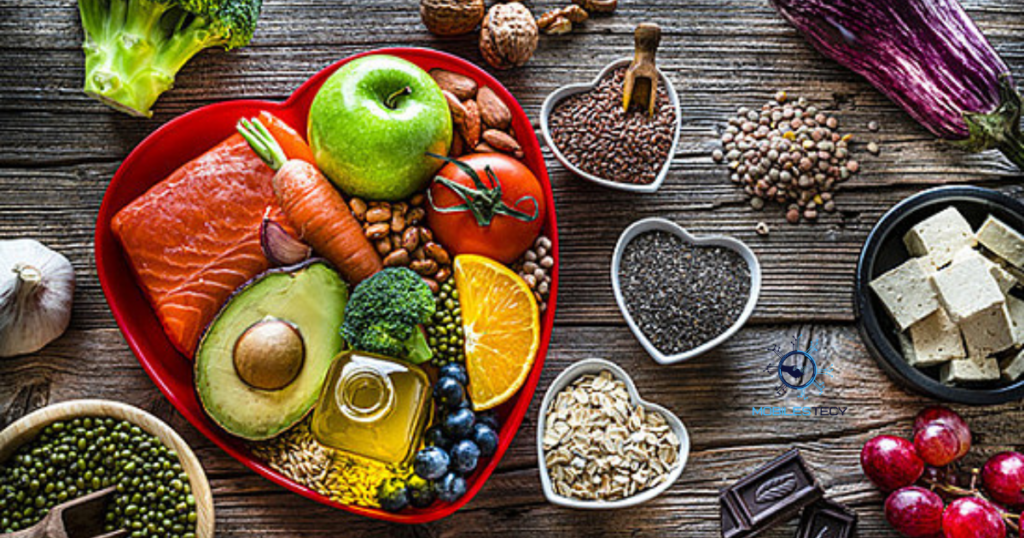
Eating antioxidant-rich foods protects blood vessels from oxidative stress damage naturally. Leafy greens, berries, and citrus fruits support vascular function effectively daily. Healthy fats from nuts, seeds, and fatty fish improve blood vessel flexibility. Reducing sodium helps control blood pressure and decreases arterial strain significantly. Whole grains and fiber-rich foods lower cholesterol and improve circulation efficiency.
Omega-3 fatty acids reduce inflammation and enhance blood vessel health sustainably. Fatty fish, flaxseeds, chia seeds, and walnuts are excellent sources daily. Regular consumption can help prevent plaque buildup and maintain arterial elasticity. Omega-3s also support brain health and reduce risk of heart disease. Pairing these foods with a balanced diet maximizes overall vascular benefits effectively.
Limiting processed foods, refined sugars, and trans fats is essential for vascular health. Excess sugar and trans fats accelerate inflammation and arterial plaque formation over time. Opting for fresh and minimally processed foods promotes long-term blood vessel health. Using herbs and spices instead of salt helps maintain healthy blood pressure. A diet rich in variety supports nutrient intake critical for vascular function daily.
Vitamins and Supplements for Blood Vessel Health
Vitamin C protects blood vessels from oxidative stress and supports collagen formation. Collagen strengthens arterial walls, maintaining elasticity and long-term vascular integrity. Vitamin E reduces cholesterol oxidation and helps prevent plaque buildup naturally. Antioxidant-rich vitamins are critical in supporting proper endothelial function consistently.
Magnesium and L-arginine promote healthy blood flow and relax vascular smooth muscles. Coenzyme Q10 supports energy production in cells and protects cardiovascular tissues. Supplements should be used alongside diet, not as a replacement for nutrition. Consulting a healthcare provider ensures safe and effective supplementation practices.
Avoiding Risk Factors That Harm Blood Vessels
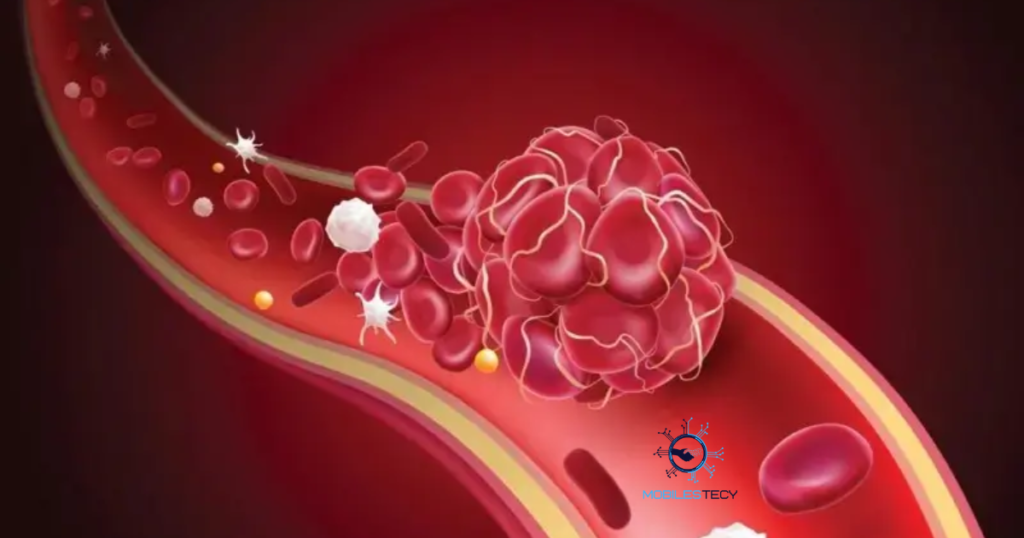
Smoking, excessive alcohol consumption, and sedentary behavior directly damage blood vessels. Avoiding these risk factors reduces arterial stress and lowers inflammation levels effectively. Long-term exposure to toxins or pollution further accelerates vascular damage naturally. Managing chronic conditions like diabetes and hypertension protects blood vessels from harm.
Regular monitoring of blood pressure, cholesterol, and glucose supports vascular health proactively. High blood pressure or uncontrolled diabetes increases arterial stiffness and plaque buildup. Adhering to prescribed medications helps maintain proper vascular function over time. Combining medical management with lifestyle changes provides the best protection for vessels. Patients should maintain consistent communication with healthcare providers for vascular guidance regularly.
Environmental factors, such as air pollution, also negatively impact vascular function consistently. Reducing exposure through indoor air purification and avoiding heavy traffic areas helps. Minimizing toxins in daily life reduces oxidative stress on blood vessels naturally. Protective clothing and masks can limit environmental damage during outdoor activities effectively.
Monitoring Vascular Health
Regular check-ups help detect early signs of vascular problems effectively. Blood pressure, cholesterol, and blood sugar levels provide insights into vessel health. Routine monitoring enables timely intervention before serious complications develop. Early detection improves treatment success and overall cardiovascular outcomes significantly.
Non-invasive imaging like ultrasound or CT scans identifies plaque and arterial stiffness. High-risk individuals benefit most from regular vascular imaging and preventive measures. Screenings allow physicians to recommend lifestyle changes or medications proactively. Consistent monitoring reduces risk of heart attacks, strokes, and peripheral artery issues.
- Aerobic exercise strengthens arteries and enhances blood circulation naturally every day.
- Consuming antioxidant-rich foods helps reduce oxidative stress on blood vessels.
- Quitting smoking protects endothelial function and prevents plaque formation effectively.
- Managing stress and sleeping adequately supports long-term vascular health naturally.
- Routine health screenings detect early problems and prevent serious complications efficiently.
Faq’s
What is vascular health and why is it important?
Vascular health refers to the condition of arteries, veins, and capillaries. Healthy blood vessels support circulation and nutrient delivery throughout the body.
Can exercise improve vascular health?
Yes, aerobic and strength exercises increase circulation, reduce stiffness, and improve arterial elasticity.
Which foods promote healthy blood vessels?
Leafy greens, berries, nuts, seeds, and fatty fish improve circulation and reduce inflammation.
Are supplements necessary to improve vascular health?
Leafy greens, berries, nuts, seeds, and fatty fish improve circulation and reduce inflammation.
How can I prevent blood vessel damage?
Avoid smoking, limit alcohol, manage chronic conditions, and maintain regular exercise consistently.
Conclusion
Improving vascular health reduces risk of cardiovascular diseases and enhances quality of life. Lifestyle changes, proper diet, regular exercise, and stress management are essential daily. Avoiding smoking, alcohol excess, and sedentary habits protects arteries and veins effectively. Routine health monitoring detects early problems before severe complications develop naturally. Holistic strategies combining lifestyle, diet, and supplementation strengthen blood vessel function long-term.
Vascular health depends on consistent care and proactive prevention strategies over time. Balancing exercise, nutrition, and sleep ensures arterial elasticity and proper circulation. Supplements, when recommended, can complement healthy habits but should not replace nutrition. Managing chronic conditions like diabetes or hypertension is vital for vessel longevity. Combining all these approaches supports overall cardiovascular resilience and long-term well-being.
Taking action today to improve vascular health ensures better cardiovascular outcomes tomorrow. Regular check-ups, healthy choices, and stress management maintain blood vessel integrity consistently. Healthy lifestyle adoption strengthens arteries, reduces inflammation, and supports overall life quality. Proactive vascular care reduces future medical risks and enhances energy and vitality.
Read more latest Articles on Mobilestecy.com