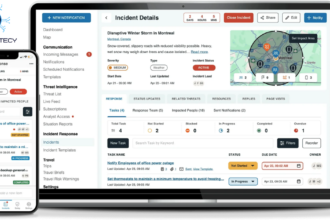
Mobile integrated healthcare uses technology to deliver services directly to patients’ locations. Software tools enable clinicians to monitor, communicate, and document care efficiently. These solutions ensure timely intervention and reduce unnecessary hospital or emergency visits. Real-time mobile platforms improve coordination between field teams and remote healthcare providers.
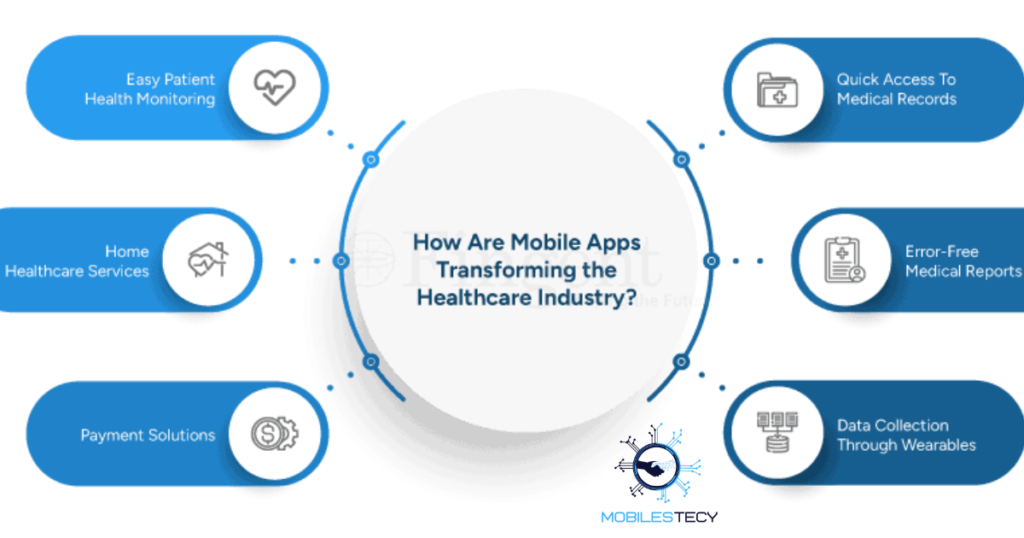
Electronic health record access is critical for mobile clinicians in every scenario. Software platforms provide instant updates to patient history, medications, and lab results. Real-time data sharing improves decision-making and reduces errors during mobile healthcare visits. Integrated tools allow seamless communication between hospitals, paramedics, and community care teams.
Remote patient monitoring uses mobile apps and wearable devices to track vital signs. Data from sensors is transmitted directly to clinicians for proactive health management. Automated alerts allow rapid intervention before minor issues escalate into emergencies. These tools support chronic disease management and reduce hospital readmissions significantly.
Table of Contents
Enhancing Communication and Collaboration in Mobile Integrated Healthcare
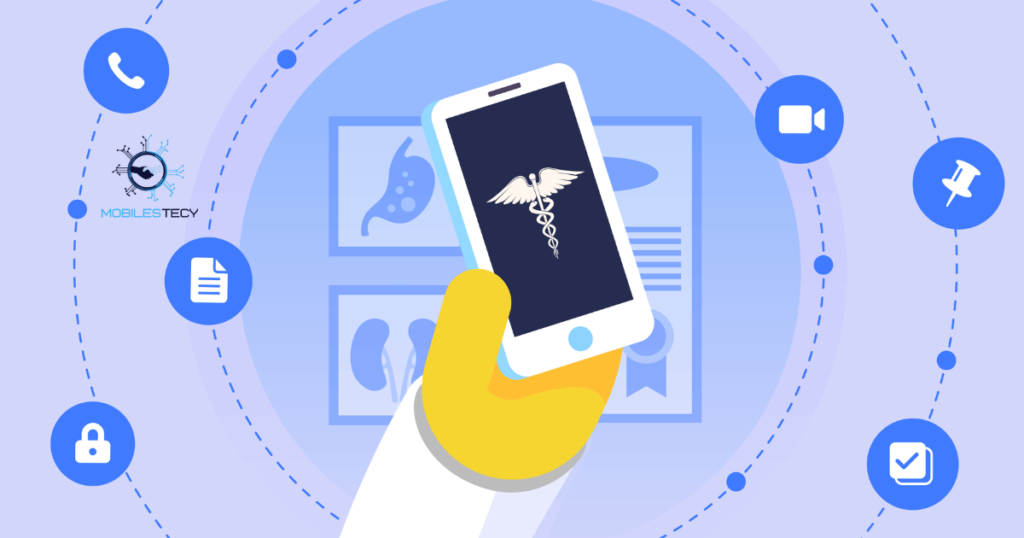
Mobile software tools enables healthcare teams to communicate instantly across different field locations. Real-time messaging ensures paramedics, clinicians, and remote physicians coordinate effectively together. Video conferencing tools allow consultations directly during patient assessments in community settings. Centralized dashboards provide updates on patient status, alerts, and care plan adjustments.
Automated alert systems notify clinicians about critical changes in patient health status. Push notifications, SMS, and app alerts ensure timely attention to urgent situations. Integrated mobile software tools enables teams to respond quickly without unnecessary delays or confusion. Field staff can escalate issues directly to specialists through secure mobile platforms.
Shared access to electronic health records keeps all clinicians informed and aligned. Mobile platforms allow updates to patient charts in real time from the field. This reduces duplication of work and prevents errors caused by outdated information. Software tools track interactions, ensuring continuity across multiple care providers efficiently.
Supporting Real-Time Clinical Decision Making
Decision-support software guides mobile clinicians through evidence-based assessment and treatment protocols. Algorithms identify patient risk factors, suggest interventions, and flag potential medication interactions.
Predictive analytics tools evaluate patient data to anticipate potential health deterioration risks. Alerts generated by software tools allow rapid intervention before conditions escalate into emergencies.
Remote Monitoring and Data-Driven Decision Support
Remote patient monitoring software collects vital health data from wearable devices reliably. Information such as heart rate, blood pressure, glucose, and oxygen levels is tracked. Alerts are automatically generated when readings indicate abnormal or high-risk conditions. Clinicians can intervene proactively, preventing deterioration and avoiding unnecessary hospitalizations.
Decision-support tools guide clinicians through evidence-based protocols for consistent care delivery. Algorithms suggest interventions, identify potential medication interactions, and assess patient risk. These features reduce variability in care and enhance safety across mobile healthcare teams. Field clinicians benefit from real-time guidance even during fast-paced emergency scenarios.
Analytics platforms aggregate data to identify trends and high-risk patient populations. Predictive modeling helps anticipate health deterioration and plan proactive interventions effectively. Resource allocation can be optimized by analyzing mobile visit metrics and patient outcomes. Healthcare organizations use insights to improve operational efficiency and patient-centered program design.
Enhancing Patient Engagement and Communication
Mobile apps connect patients directly with care teams for scheduling and follow-ups. Patients can access reminders, care plans, and educational resources conveniently on devices. Direct communication fosters adherence to medication schedules and lifestyle recommendations effectively.
Secure messaging allows patients to report symptoms or request guidance from clinicians. Real-time feedback ensures timely responses, reducing anxiety and unnecessary visits to hospitals. Interactive tools encourage patients to actively participate in managing chronic conditions.
Streamlining Workflow and Operational Efficiency in Mobile Healthcare
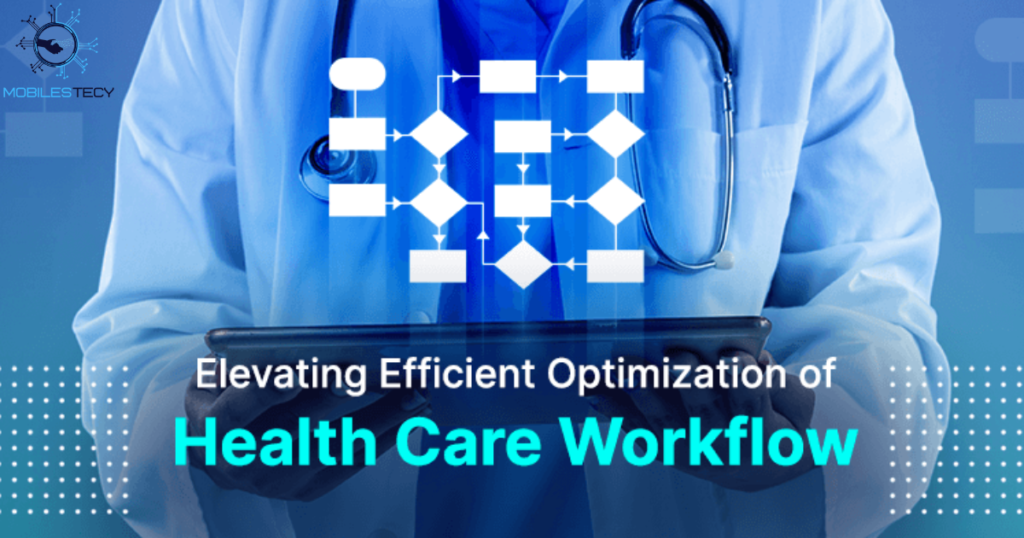
Software tools automate scheduling, assigning clinicians based on skills, location, and availability. Digital workflows reduce administrative burdens and free staff to focus on patient care. Integrated documentation templates improve accuracy and reduce time spent writing reports manually. Automated billing modules ensure correct coding and faster reimbursement from insurance providers.
Mobile documentation allows clinicians to record assessments and interventions at the point-of-care. Offline entry ensures data is captured even in areas with limited network connectivity. Records sync automatically when devices reconnect, maintaining complete and up-to-date patient charts. This reduces errors caused by delayed reporting or manual transcription of information.
Telehealth integration allows remote consultation between field clinicians and hospital specialists easily. Video conferencing helps resolve cases on-site without unnecessary hospital transfers or delays. Behavioral health support and chronic disease management are improved through virtual guidance. Mobile tools facilitate patient education, follow-ups, and interactive care engagement efficiently.
Optimizing Operational Efficiency Through Workflow Automation
Software tools automate scheduling, resource allocation, and task assignments for mobile teams. Automation reduces administrative burden and allows clinicians to focus more on patient care. Integrated documentation templates streamline reporting, reducing errors and saving valuable time.
Telehealth integration allows virtual consultation with specialists without requiring physical patient transport. Clinicians can review records, provide guidance, and resolve minor cases on-site effectively.
- Mobile software tools enables clinicians to communicate instantly across multiple locations effectively.
- Real-time data access improves decision-making and enhances patient safety during visits.
- Remote monitoring tools track vital signs and alert clinicians to critical changes.
- Workflow automation reduces administrative burden, allowing clinicians to focus on patient care.
- Telehealth integration facilitates virtual consultations and reduces unnecessary hospital or emergency visits.
Faq’s
How do software tools enhance communication in mobile integrated healthcare systems?
They allow real-time messaging, alerts, and video consultations between field clinicians.
What role does remote patient monitoring play in mobile healthcare?
Wearable devices and apps transmit vital signs directly to healthcare teams instantly.
How do decision-support tools improve clinical outcomes in mobile healthcare?
Algorithms guide field clinicians with evidence-based protocols and risk assessments.
Why is workflow automation important for mobile integrated healthcare programs?
Scheduling, documentation, billing, and compliance tasks are streamlined automatically by software.
How does telehealth integration support mobile healthcare operations effectively?
Video consultations allow specialists to guide on-site clinicians without patient transport.
Conclusion
Software tools are essential for delivering efficient mobile integrated healthcare services. Real-time communication improves coordination between field clinicians and remote healthcare specialists. Remote monitoring ensures timely intervention and reduces unnecessary hospital or emergency visits. Decision-support algorithms enhance accuracy and consistency in patient care delivery.
Workflow automation minimizes administrative burden, allowing clinicians to focus on patient needs. Telehealth integration enables virtual consultations without requiring physical patient transportation. Mobile apps engage patients directly, supporting adherence and proactive health management. Analytics and predictive tools provide insights to optimize resource allocation effectively.
Mobile integrated healthcare relies on software tools for data-driven, patient-centered decision-making. Interoperable platforms ensure continuity of care across multiple providers and organizations. Real-time updates and alerts enhance responsiveness during emergencies or routine visits. Efficient workflows, combined with technology, improve outcomes and reduce operational costs.
Read more latest Articles on Mobilestecy.com