
Dental health is an important part of overall human wellness and wellbeing. Many people avoid checkups due to high costs without dental insurance coverage. A cavity is caused by bacteria that erode tooth enamel over time. Cavity fillings restore damaged teeth and prevent further decay or problems. Understanding the costs without insurance helps patients make informed financial decisions. Proper oral care requires knowledge of procedure prices and treatment options.
The cost of dental procedures varies significantly across different geographic locations. Material type, cavity size, and dentist experience directly affect treatment pricing. Without insurance, patients often pay the full cost of dental procedures. Amalgam, composite, and gold fillings differ in durability, appearance, and price. Knowing cost ranges helps people budget for unexpected or emergency dental work. Ignoring cavities may lead to serious oral and systemic health problems.
Many uninsured patients seek ways to reduce their cavity treatment expenses. Dental discount plans and dental school clinics offer more affordable options. Early treatment prevents further complications and more expensive dental interventions later. Comparing local dental offices can reveal significant differences in service charges. Preventive care, such as brushing, flossing, and checkups, reduces overall costs. Planning and budgeting for dental care ensures better oral health outcomes.
Table of Contents
Factors Affecting Cavity Filling Costs
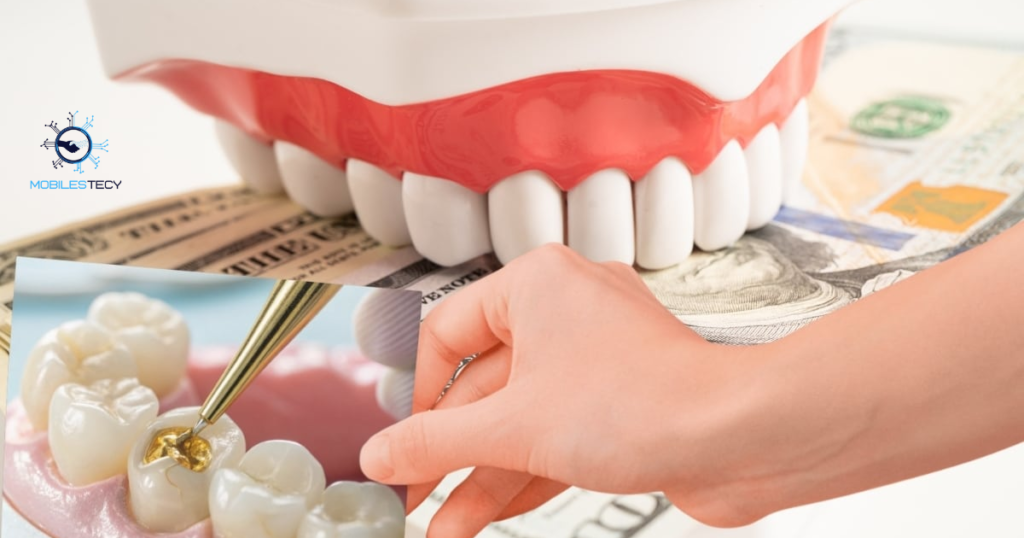
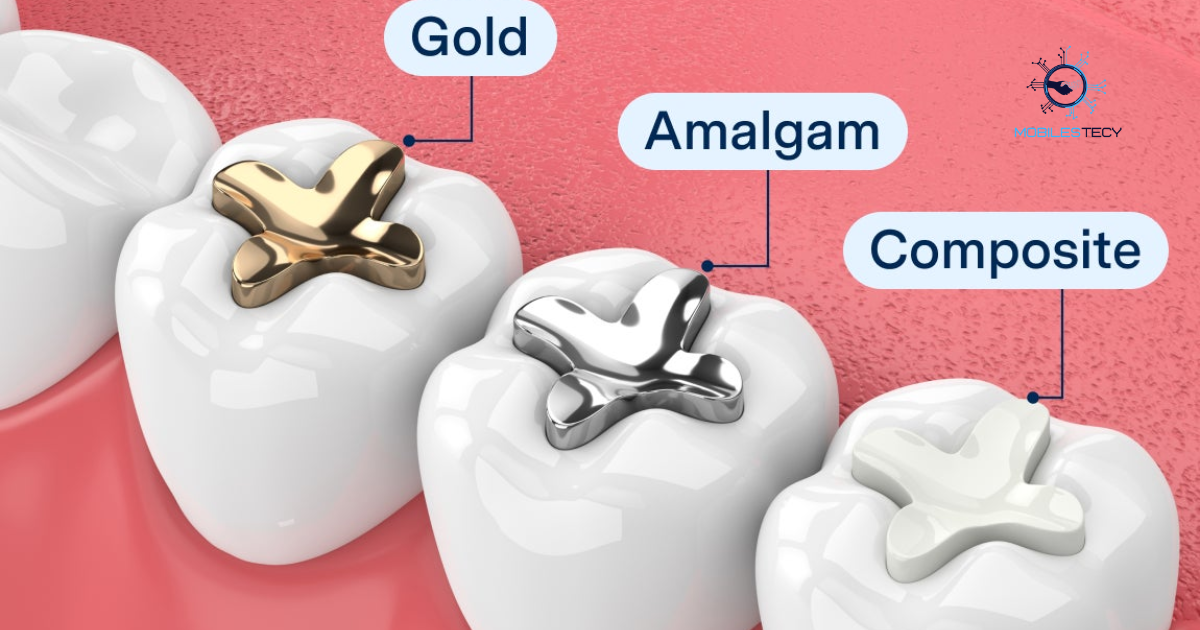
Cavity filling material strongly influences the total procedure cost. Amalgam fillings are usually less expensive and highly durable for molars. Composite fillings are tooth-colored and more expensive but offer natural appearance. Gold fillings are the most expensive and can last several decades. Cavity size affects how much material and chair time the dentist requires. Large multi-surface cavities increase costs compared to small single-surface fillings.
The location of the tooth influences the difficulty of placing the cavity filling. Molars are harder to access and may cost more to treat effectively. Front teeth are easier to reach and usually require less complex procedures. Dentist experience and reputation can also increase treatment costs significantly. Urban areas often have higher fees than rural dental offices nearby. Regional cost variations reflect differences in operating expenses and local demand.
Additional factors like anesthesia and X-rays may increase total treatment expenses. Exam and consultation fees often are not included in the filling price. Patients should plan for follow-up visits in case of complications or pain. Preventive care reduces the risk of needing larger or multiple fillings later. Dental financing and payment plans can help manage costs for uninsured patients. Understanding all potential costs avoids unexpected financial burdens during dental treatment.
Types of Cavity Filling
Amalgam fillings are silver-colored, durable, and generally the least expensive choice. Composite fillings are tooth-colored, provide better aesthetics, and cost more. Gold fillings are expensive, highly durable, and used less frequently today. The choice of cavity filling affects longevity, cost, and cosmetic results significantly.
Single-surface fillings are cheaper than multi-surface fillings on the same tooth. Large cavities require more material, chair time, and technical expertise for placement. Front teeth require aesthetic materials while molars prioritize strength and durability. Cavity Filling size, location, and material determine the total treatment expense. Patients can combine cost-effective options while maintaining dental health effectively.
Average Costs of Cavity Fillings Without Insurance

Amalgam fillings usually cost between one hundred and two hundred dollars. Composite cavity fillings cost roughly one hundred fifty to four hundred fifty dollars. Gold fillings range from six hundred to one thousand two hundred dollars. Multi-surface fillings are more expensive than single-surface fillings in most cases. Exam, X-rays, and numbing agents often add fifty to one hundred fifty dollars. Prices vary by region, dentist, and complexity of the individual procedure.
Small cavities on a single tooth are the least expensive to fill. Larger or multi-surface cavities on molars increase both material and labor costs. Composite materials cost more due to aesthetics and longer placement times. Gold fillings are rarely used today but offer unmatched durability and longevity. Dental schools provide reduced-cost cavity fillings performed by supervised students for practice. Discount plans may reduce out-of-pocket expenses by ten to sixty percent.
Ignoring cavities can lead to severe pain, infection, and additional costs. Advanced decay may require root canals or extractions, significantly raising expenses. Preventive care is often more cost-effective than emergency dental treatments later. Patients should weigh short-term costs against long-term oral health benefits. Regular checkups detect cavities early, reducing the need for complex procedures.
Risks of Delaying Treatment
Delaying cavity treatment can lead to severe tooth pain and infections. Advanced decay often requires costly procedures like root canals or extractions. Untreated cavities may also affect overall body health over time. Early treatment usually results in smaller, less expensive fillings for patients. Preventive care avoids the high costs of complicated dental procedures later.
Ignoring cavities can cause abscesses, swelling, or even systemic infections elsewhere. Regular checkups catch cavities early, reducing the need for expensive treatments. Treatment delays often increase stress, pain, and additional dental expenses rapidly. Patients without insurance benefit from low-cost clinics and discount programs available.
Ways to Reduce Costs Without Insurance

Dental discount plans are not insurance but provide savings on many procedures. Patients pay an annual fee and receive significant discounts on fillings. Dental school clinics offer reduced prices for supervised student procedures safely. Comparing multiple local dental offices can reveal lower treatment fees nearby. Payment plans spread the cost over time, easing financial burdens for patients.
Maintaining proper brushing and flossing habits helps prevent new cavities forming. Regular checkups and cleanings catch cavities early before they worsen significantly. Early treatment usually requires smaller fillings, which are cheaper than large ones. Some dental offices offer sliding scale fees based on patient financial need. Patients can combine strategies like preventive care and discount plans effectively.
Understanding cavity filling costs empowers patients to make informed dental choices. Ignoring dental issues may result in severe pain and higher overall expenses. Choosing affordable materials and dental offices can lower out-of-pocket costs. Dental insurance is helpful but not strictly necessary with alternative strategies. Preventive care remains the most effective way to minimize overall dental costs.
Payment and Cost-Saving Options
Dental discount plans reduce costs by providing percentage-based savings on fillings. Dental schools offer supervised procedures at significantly lower prices for patients. Payment plans allow spreading costs over months to ease financial burden. Comparison shopping among dentists helps find affordable services and treatment packages.
Combining strategies maximizes savings for uninsured dental patients seeking treatment. Early detection of cavities ensures less invasive procedures and lower overall costs. Patients should inquire about all available payment and discount options locally. Planning ahead reduces financial stress and promotes better long-term oral health.
- Amalgam fillings cost less and are durable for back teeth effectively.
- Composite fillings provide natural appearance but are more expensive than amalgam.
- Gold fillings are expensive but offer unmatched durability for long-term use.
- Dental discount plans can reduce procedure costs by ten to sixty percent.
- Preventive care reduces the number of cavities requiring expensive dental treatment.
Faq’s
How much does a single-surface composite filling cost without insurance?
A single-surface composite filling costs roughly one hundred fifty to two hundred fifty dollars typically.
Are amalgam fillings safe for adults and children?
Yes, amalgam fillings are considered safe, durable, and effective for most patients.
Can I get cheaper fillings at a dental school clinic?
Yes, supervised dental students provide fillings at significantly reduced rates for patients.
What happens if I delay getting a cavity filled?
Delay can lead to severe decay, infection, pain, or higher costs later.
Do dental discount plans cover all types of fillings?
Discount plans usually cover common fillings, including composite and amalgam types.
Conclusion
Dental care without insurance can be expensive but manageable with proper planning. Cavity filling costs depend on material, tooth location, and cavity size mostly. Preventive care and early detection significantly reduce the need for expensive procedures. Dental discount plans and schools offer lower-cost alternatives for uninsured patients. Ignoring cavities increases risk, pain, and overall treatment costs over time.
Proper oral hygiene and budgeting prevent severe dental issues and financial stress. Early treatment of cavities keeps teeth functional, strong, and pain-free longer. Exploring cost-saving strategies helps patients without insurance access necessary dental care. Understanding costs and options ensures patients maintain healthy teeth effectively and affordably. Investing in oral health protects overall well-being and reduces financial stress.
Planning ahead and seeking affordable dental care ensures long-term oral health. Early cavity treatment prevents pain, infection, and higher costs in future. Discount plans and dental schools provide cost-effective options for uninsured patients. Maintaining regular checkups keeps teeth strong, healthy, and functional for years. Knowledge about procedure costs empowers patients to make smarter dental decisions.
Read more latest Articles on Mobilestecy.com