
Auto insurance is essential for protecting vehicles, drivers, and passengers every day. It provides financial protection against accidents, theft, or unexpected car damages. Most states in the United States legally require drivers to carry liability insurance. Understanding how auto insurance works helps drivers choose the right coverage plan. Insurance policies differ in coverage types, limits, and out-of-pocket expenses for individuals.
Auto insurance spreads the financial risk among thousands of drivers across the country. Instead of paying full accident costs alone, premiums fund a shared protection system. Drivers pay regular premiums, and insurers cover damages within policy limits for eligible claims. Insurance contracts include terms, deductibles, and limits determining how coverage is applied. Drivers must understand their state requirements to avoid penalties or legal consequences.
In addition to legal requirements, insurance offers peace of mind while driving daily. Comprehensive, collision, and liability coverages protect vehicles and passengers from different risks. State laws influence mandatory coverage types and minimum insurance limits for drivers. Knowing optional coverage types allows drivers to select policies that best fit needs. Insurers use driver history, vehicle type, and location to calculate premiums.
Table of Contents
Types of Auto Insurance Coverage
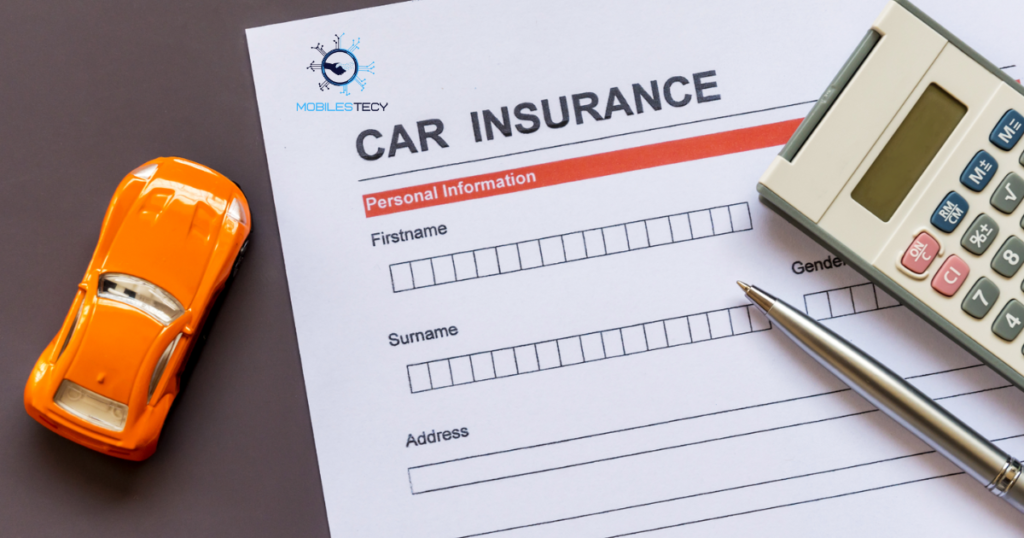
Liability coverage is required by law in almost every U.S. state. It protects other drivers and property when you cause an accident. Bodily injury liability pays medical expenses and legal fees for injured parties. Property damage liability covers repairs for vehicles, fences, or other damaged property. Minimum coverage limits are set by each state to ensure basic protection. Without liability insurance, drivers face fines, license suspension, or legal penalties.
Collision coverage pays for repairs to your vehicle after a crash occurs. Coverage applies regardless of whether you are at fault in the accident. Deductibles are subtracted from the total claim amount paid by the insurer. Collision coverage is often required for leased or financed vehicles. High-value cars may need more extensive collision coverage for proper protection. This insurance ensures drivers can repair or replace damaged vehicles efficiently.
Comprehensive coverage protects your car from theft, vandalism, and natural disasters. Coverage includes fire, flood, falling objects, or animal collisions as well. Like collision, comprehensive policies require deductibles before insurance pays the remaining cost. Lenders often require comprehensive insurance for vehicles under financing agreements or leases. This coverage safeguards drivers from unexpected, non-collision damages to their vehicles. Drivers benefit by reducing potential out-of-pocket expenses after unusual incidents occur.
Uninsured and Personal Injury Coverage
Uninsured and underinsured motorist coverage protects drivers hit by uninsured individuals. It covers medical expenses, lost wages, and sometimes vehicle repair costs. Personal Injury Protection (PIP) is required in no-fault states for medical costs. PIP covers injuries and sometimes lost wages regardless of who caused the accident.
Understanding PIP and uninsured motorist coverage prevents financial surprises after collisions occur. These optional coverages are highly recommended in states with high accident rates. PIP policies also cover rehabilitation, medical devices, or emergency transport expenses. Choosing the right coverage balances cost with adequate protection for medical emergencies.
How Premiums Are Determined

Insurance premiums depend on multiple factors, starting with the driver’s profile. Younger or inexperienced drivers often pay higher premiums for increased risk exposure. A clean driving record reduces premiums, while accidents or tickets increase rates. Gender and age may also influence insurance costs according to risk data. Credit scores in some states affect premium calculations for individual drivers.
Premiums also depend on the vehicle make, model, and year of production. Luxury or sports cars generally have higher repair costs and higher insurance rates. Safety features such as airbags and anti-lock brakes reduce overall premium expenses. Older vehicles may require lower liability coverage but lack collision protection benefits. Theft rates in your area also influence premiums for specific car models.
Where you live significantly affects auto insurance costs, urban areas being higher. High traffic density, theft rates, and accident statistics increase insurance premiums significantly. Drivers who commute longer distances may face higher premiums due to increased exposure. Low-mileage drivers often qualify for discounts through telematics or usage-based programs. Safe neighborhoods and garages for parking can reduce overall insurance expenses.
Collision Coverage
Low annual mileage qualifies drivers for usage-based or telematics discounts. Regularly comparing quotes from multiple providers helps find the best insurance price. Rental reimbursement coverage helps pay for temporary transportation while repairs are completed. Overall, understanding auto insurance fully allows drivers to stay financially secure.
Filing claims promptly and accurately ensures proper compensation for accidents or theft events. Safe driving, discounts, and careful planning help reduce long-term insurance costs. Knowledge of state laws and insurance options empowers drivers to stay compliant. Auto insurance is essential for managing unpredictable costs and protecting financial security.
Filing a Claim
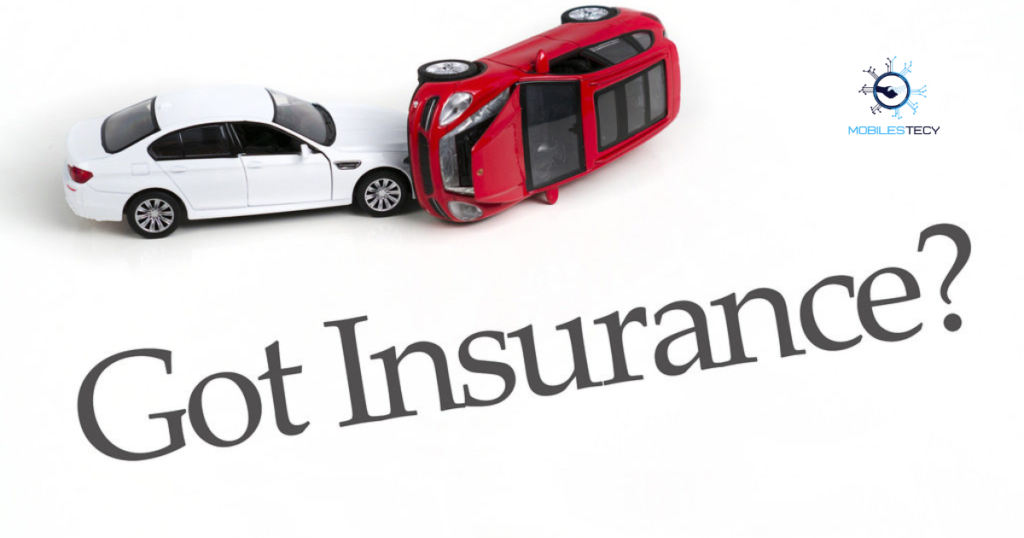
Reporting accidents promptly helps ensure smooth claim processing with insurers. Collect information including photos, witness statements, and police reports for accuracy. An insurance adjuster evaluates damages and determines the amount payable under the policy. Deductibles are subtracted from the total payout for collision or comprehensive claims. Timely reporting prevents claim denials and ensures proper documentation of incidents.
Comparing regional premium differences helps drivers plan and budget for insurance costs. Evaluating car characteristics helps drivers select vehicles with affordable insurance costs. Accurate personal information ensures insurers calculate fair and appropriate premium amounts. Choosing the right insurance helps reduce financial risk from accidents or theft. Proper planning ensures both compliance and sufficient financial protection in emergencies.
Knowing fault determination rules in your state affects who pays and how much. At-fault states require the responsible driver’s insurer to cover damages to others. No-fault states allow your insurer to handle certain medical expenses first. Keeping records of all communications with insurers prevents misunderstandings or delayed claim resolution. Filing claims correctly helps drivers access repairs and medical support efficiently.
Discounts and Savings
Insurance companies provide discounts to reward safe driving and reduce premiums. Multi-policy discounts apply when bundling auto insurance with homeowners or renters policies. Good student discounts are available for young drivers maintaining high academic performance. Defensive driving courses completed may reduce premiums in specific states.
Insurance premiums may increase if you are found at fault in an accident. Fault determination affects which insurer pays and which party bears costs. Deductibles must be paid before collision or comprehensive coverage applies. Uninsured motorist coverage may compensate for drivers lacking insurance or sufficient funds.
- Auto insurance provides financial protection for accidents, theft, or unexpected damages.
- Liability coverage is required by law in almost every U.S. state.
- Collision and comprehensive policies protect vehicles against crashes and non-collision events.
- Premiums depend on driver history, vehicle type, location, and chosen coverage.
- Discounts, safe driving, and multi-policy bundles can reduce overall insurance costs.
Faq’s
Is auto insurance mandatory in the United States?
Yes, all states except New Hampshire require drivers to carry liability insurance.
What does a deductible mean in an auto insurance policy?
It is the amount a driver pays before the insurer covers remaining costs.
Will filing a claim increase my premium costs?
Often yes, especially if you were at fault or caused the accident.
What is the difference between collision and comprehensive coverage?
Collision covers crashes; comprehensive covers theft, fire, natural disasters, or animal collisions.
How can I reduce my auto insurance premium efficiently?
Safe driving, higher deductibles, multi-policy discounts, and usage-based programs help significantly.
Conclusion
Auto insurance in the USA protects drivers, passengers, and vehicles from financial losses. State laws require liability coverage, while optional policies like collision or comprehensive enhance protection. Premiums are determined by driver profile, vehicle type, location, and chosen coverage levels. Understanding policies, deductibles, and coverage limits helps drivers make informed insurance decisions.
Claims processes vary depending on fault determination, state laws, and coverage types selected. Timely reporting and correct documentation prevent delays and ensure fair claim settlements. Optional coverages like PIP or uninsured motorist protect against additional financial risks. Choosing the right combination of coverages balances affordability and adequate protection for drivers.
Drivers should regularly review their insurance policies to maintain appropriate coverage. Changes in vehicles, driving habits, or location may affect premium calculations. Discounts, multi-policy bundling, and safe driving continue to reduce costs over time. Keeping a clean driving record minimizes accidents and ensures lower premiums consistently. Comparing multiple providers helps find cost-effective coverage without compromising essential protections.
Read more latest Articles on Mobilestecy.com