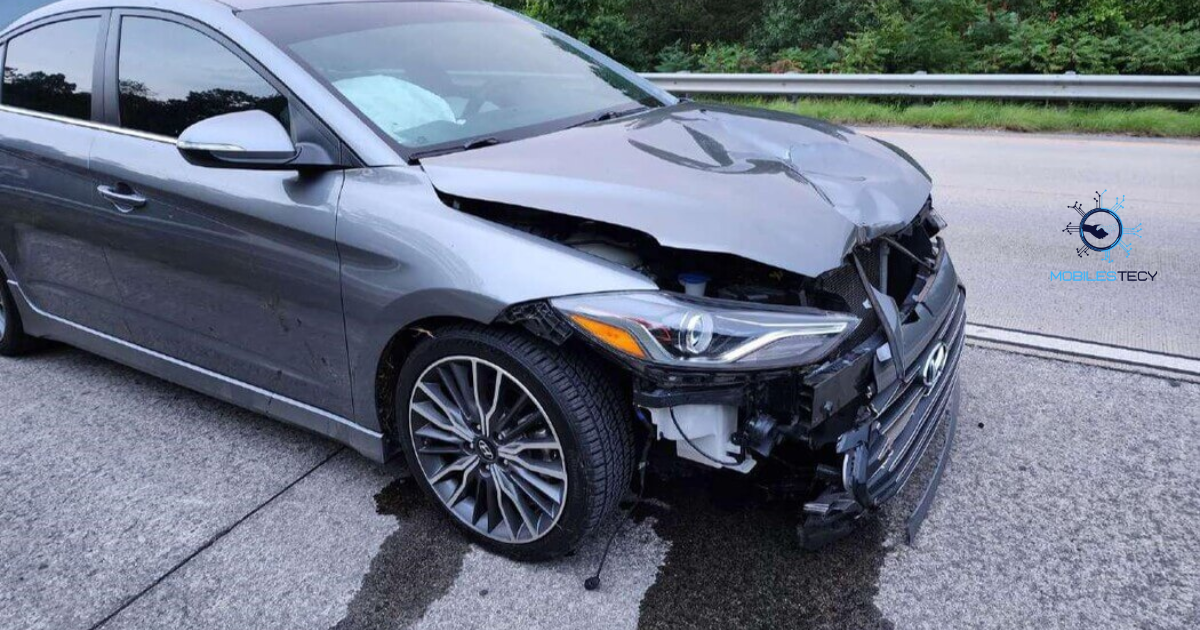
When a car is involved in an accident, insurers must assess damage carefully. Determining whether a vehicle is totaled affects claims, repairs, and future insurance companies rates. The decision involves multiple factors, including vehicle value and expected repair costs. Modern vehicles with advanced technology are often more expensive to repair fully. Policyholders often misunderstand total loss, confusing visible damage with actual economic evaluation.
Insurance companies calculate whether repair costs exceed a threshold compared to vehicle value. Actual Cash Value is used as a primary basis for decisions. This valuation considers age, mileage, trim, and local market conditions. Even minor accidents may result in a total loss for older cars. Understanding these factors helps drivers navigate claims more effectively and efficiently. Vehicles with higher technology or safety features often reach total-loss status faster.
Total loss decisions impact settlements, loan balances, and salvage title assignments significantly. Vehicles may go to salvage auctions if declared totaled by insurers. Some owners may choose to retain cars after total loss for personal repair. Insurers follow strict regulations and formulas to maintain compliance in assessments. Being informed about the total loss process reduces surprises during claims handling.
Table of Contents
How Insurers Define Total Loss
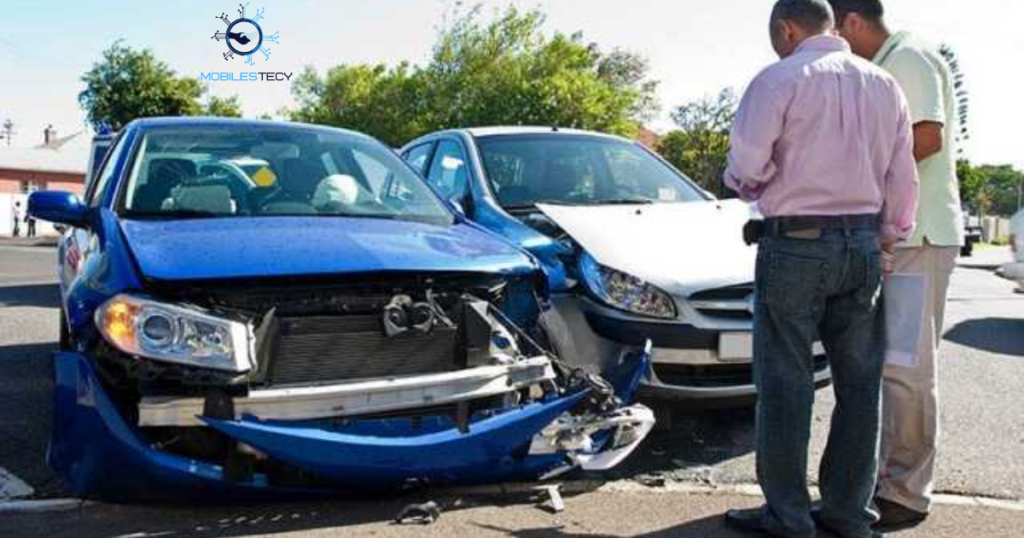
Insurance companies declare a car totaled when repair costs exceed economic value. They calculate repair expenses including labor, parts, and specialized equipment requirements. Total loss determination also considers vehicle safety systems and structural integrity. Insurers use thresholds or formulas defined by state law or internal policy. The vehicle is declared a total loss before repairs begin to avoid unnecessary expenses.
Advanced technology in modern vehicles often increases repair complexity and overall costs. Features like ADAS systems require precise calibration after collisions or damage repairs. Even minor collisions may trigger total loss due to electronics and sensor repairs. Frame damage or unibody compromise further contributes to a total loss designation. Structural repairs may be costly enough to surpass the vehicle’s actual value.
Insurers rely on professional adjusters to evaluate damage and provide accurate repair estimates. They also consult auto body shops for detailed parts and labor pricing. Repair estimates include mechanical, cosmetic, and safety-related restoration costs comprehensively. Vehicle depreciation and diminished value are factored into total loss assessments. Economic practicality and future resale value determine whether a total loss is appropriate.
The Role of Salvage Value
Salvage value is the estimated amount a vehicle would earn in damaged condition. Insurers consider this when calculating repair cost plus expected resale returns. Salvage auctions provide data for estimating market prices of totaled vehicles reliably. Cars with high salvage value are easier to declare totaled financially.
Salvage buyers include exporters, rebuilders, and dismantlers seeking parts or restoration opportunities. The insurer recovers part of the payout through resale to these buyers. Policyholders transferring ownership receive settlement payment minus salvage adjustments if they retain the car.
Calculating Actual Cash Value
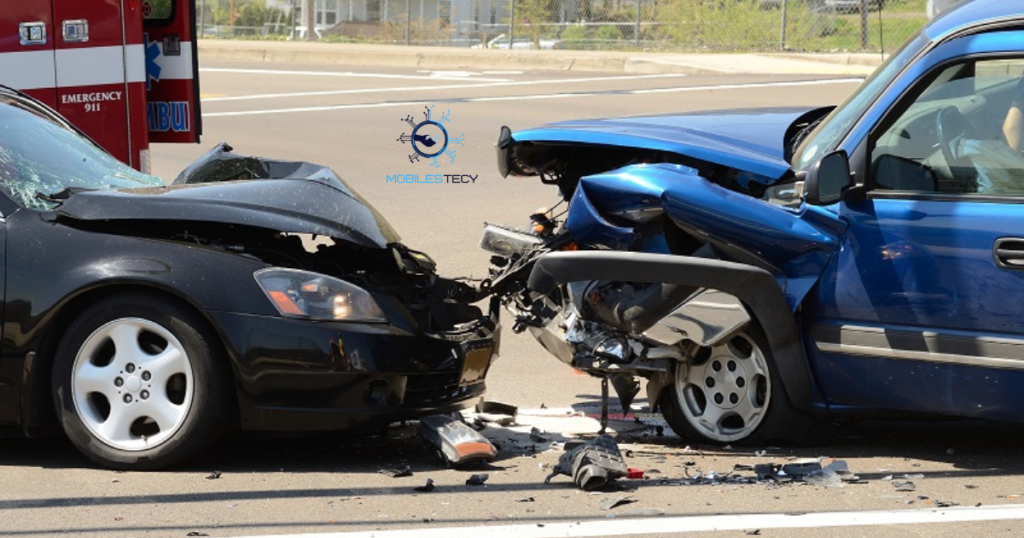
Actual Cash Value (ACV) represents the car’s worth immediately before the accident occurred. Insurance companies assess market data, vehicle condition, and depreciation to calculate ACV precisely. Mileage, prior damage, and cosmetic wear are important components of valuation. Options, trim level, and aftermarket equipment adjustments also influence total ACV determination. Regional market prices can create variations in ACV for the same vehicle model.
Insurance companies gather data from industry guides, auction prices, and comparable sales records. Vehicle history, accident reports, and previous claims affect market value assessments accurately. Adjusters may consider seasonal demand or supply trends for specific vehicle types. Accurate ACV ensures fair settlements and minimizes disputes between insurers and policyholders.
Diminished value is included when repairs reduce resale market appeal significantly. Cars previously damaged often lose value even after complete repair is completed. Insurers estimate post-repair marketability based on accident severity and title designation. If repair plus diminished value approaches ACV, the total loss threshold is met. Understanding ACV and its calculation empowers policyholders to evaluate settlement offers objectively.
Structural vs Cosmetic Damage
Not all damage contributes equally to total loss determinations by insurers. Cosmetic damage like scratches or small dents rarely triggers a total loss. Structural damage, including frame, subframe, or unibody compromise, often results in total loss classification. Safety, alignment, and mechanical stability are prioritized in structural evaluations.
Even minimal structural damage in modern vehicles can require high-cost repairs. Crumple zones, roof pillars, and suspension points are critical to post-accident performance. Insurers consider manufacturer tolerances and safety compliance when evaluating damage. The combination of cost, risk, and repair feasibility influences total loss declarations.
State Thresholds and Total Loss Formulas
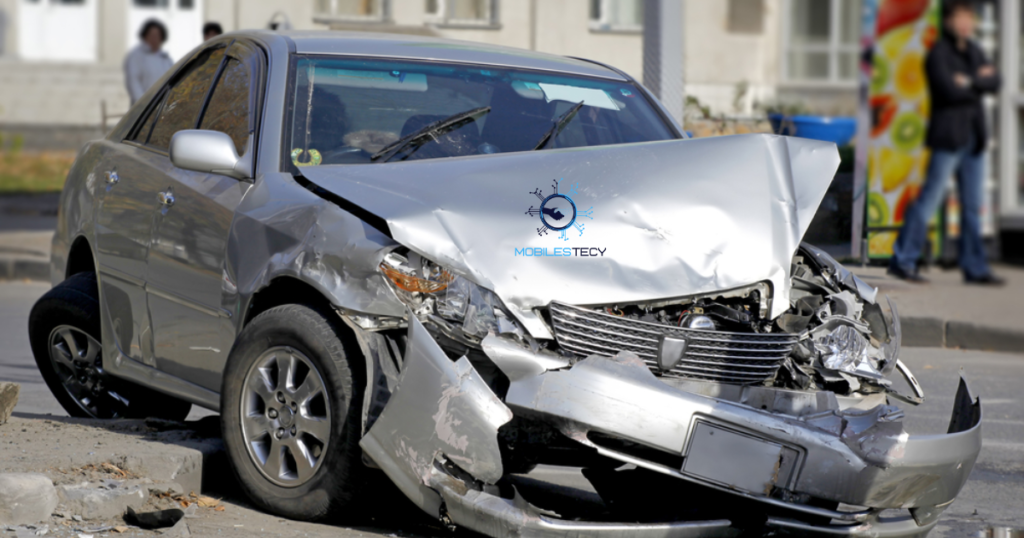
Many states set legal thresholds that define when a vehicle is totaled officially. Some require repair costs to exceed 70–80% of ACV before a total loss is declared. Other states apply total loss formulas combining repair costs and salvage value. Each state law affects settlement amounts, title classification, and insurance companies obligations. Compliance ensures policyholders receive lawful and fair total loss settlements consistently.
The Total Loss Formula (TLF) calculates whether repair cost plus salvage value exceeds ACV. If this formula is met or exceeded, the insurer declares the vehicle a total loss. Salvage value is determined based on potential auction or parts resale market prices. Differences in salvage value can cause similar vehicles to be totaled differently in different regions. Formulas simplify decisions while maintaining regulatory and financial compliance for insurers.
Insurance companies monitor salvage market trends to refine total loss decisions accurately. High-demand vehicles may have higher salvage value, lowering total loss likelihood. Conversely, low-demand models with expensive repair costs reach total loss thresholds quickly. Insurers adjust estimates to reflect market fluctuations, safety compliance, and replacement costs. Policyholders can request detailed explanations if the formula affects settlement calculations. Auction values are updated frequently to account for market shifts in vehicle demand.
Advanced Technology and Safety Systems
Modern vehicles include cameras, radar, lidar, and advanced driver-assistance systems. Damage to these systems increases repair costs significantly, impacting total loss decisions. Sensors must be recalibrated precisely to meet OEM safety standards after repair. Even minor collisions may trigger total loss due to expensive technology repairs.
Electrical and software systems require specialized labor and calibration equipment. Repair delays or errors may compromise safety and violate legal requirements. Insurance companies incorporate these costs into total loss calculations carefully. Advanced technology raises the frequency of total loss determinations across newer vehicles.
• Insurance companies calculate total loss when repair costs exceed vehicle value significantly.
• Actual Cash Value forms the basis of total loss calculations accurately.
• Salvage value influences whether a vehicle is classified as totaled.
• State thresholds and formulas dictate total loss declarations legally.
• Advanced technology increases repair costs, often triggering total loss quickly.
Faq’s
What is a totaled car in insurance companies terms?
It is a vehicle where repair costs exceed its pre-accident market value.
How do insurance companies calculate total loss?
They combine repair estimates, ACV, salvage value, and diminished resale considerations.
Does cosmetic damage alone total a vehicle?
No, minor scratches or dents usually do not trigger total loss decisions.
Can I keep my totaled car?
Yes, in some states owners retain vehicles with reduced settlement after salvage value deduction.
Do flood-damaged cars get totaled?
Almost always, because electrical and mechanical systems may be irreparably damaged.
Conclusion
Insurance companies declare cars totaled when repair costs exceed actual cash value. They factor in structural damage, safety systems, salvage value, and legal thresholds. Advanced technology and diminishing resale value make modern vehicles more likely total losses. Policyholders benefit from understanding total loss processes for better claims management. Knowledge reduces disputes and ensures informed decision-making during stressful accident scenarios.
Repair estimates, state rules, and market trends determine total loss outcomes consistently. Salvage value allows insurers to recover part of financial payouts efficiently. Owners should document vehicle condition and consider independent appraisals to support claims. Being informed helps manage expectations and improves negotiation of settlement amounts. Total loss decisions balance safety, economics, and regulatory compliance carefully.
Modern vehicles require specialized repairs, calibration, and structural restoration for safety. Flood and fire damage typically result in immediate total loss declarations. Insurers provide settlements based on fair market value minus salvage value adjustments. Understanding the total loss evaluation empowers policyholders during insurance companies claims processes. Accurate assessments ensure financial fairness while maintaining vehicle safety standards effectively.
Read more latest Articles on Mobilestecy.com