
Mobile E-Commerce faces rising threats from fraud and account takeover attacks. Merchants need advanced software to secure transactions and reduce financial losses. Fraud protection tools combine AI, behavioral analytics, and real-time scoring. Choosing the best solution requires balancing security, cost, and user experience. A robust system helps businesses maintain trust while increasing conversion rates.
Fraud patterns evolve rapidly across devices, payment methods, and geographies daily. Mobile apps present unique challenges due to limited screen size and signals. High-volume checkouts demand software that works without slowing transaction speed. Merchants must identify fraud while avoiding unnecessary declines or poor customer experiences. Effective software adapts automatically to emerging risks and suspicious behavioral patterns.
Several leading vendors dominate the mobile e-commerce fraud protection landscape today. Options include Stripe Radar, Sift, Forter, Signifyd, Kount, and SEON. Each platform offers unique strengths in device intelligence and chargeback guarantees. Decision-making requires analyzing feature sets against business models and revenue impact. Understanding these solutions helps merchants select software that maximizes both protection and growth.
Table of Contents
Key Features of Fraud Protection Software
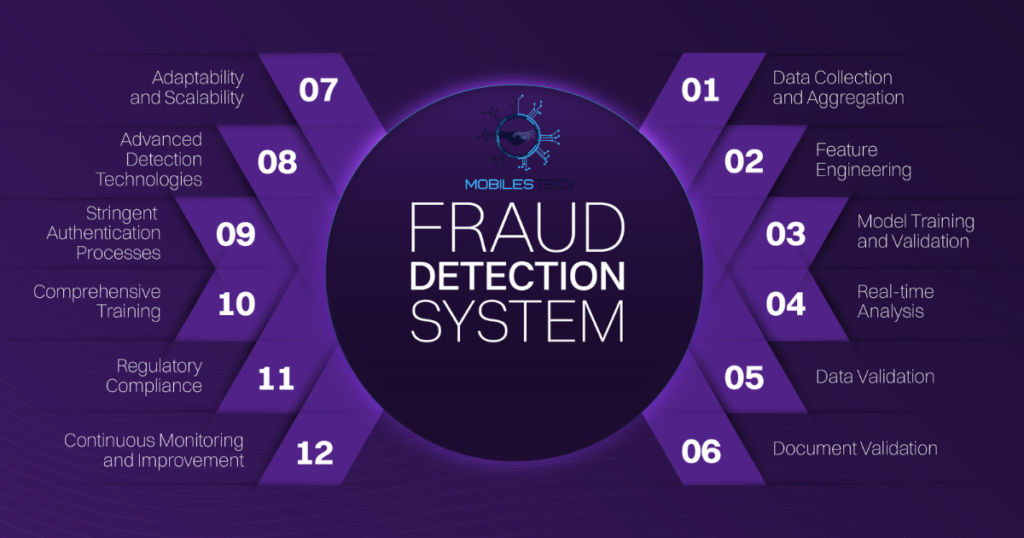
Fraud protection software uses AI-driven algorithms to detect suspicious transactions effectively. Machine learning models analyze historical data and predict potential fraudulent behaviors accurately. Behavioral analytics help identify unusual patterns in mobile app user activity. Real-time monitoring enables immediate action before fraudulent transactions impact revenue. Integration with payment gateways ensures seamless transaction processing without slowing checkout.
Device fingerprinting tracks hardware, IP, and behavioral data to detect fraud consistently. Geolocation analysis helps identify mismatched locations during transaction attempts effectively. Multi-factor authentication enhances account security against unauthorized access and fraud attempts. Chargeback management features reduce losses from disputed transactions and improve merchant confidence.
Identity verification tools validate user identity using documents, biometrics, and phone numbers. Email and phone validation reduces fake account creation and suspicious activity risks. Risk scoring engines assign numerical fraud risk values for each transaction automatically. Fraud dashboards provide clear insights, helping teams quickly assess suspicious behaviors. Alerts and notifications allow rapid response to potential high-risk transactions effectively.
Real-Time Risk Scoring
Real-time risk scoring evaluates every transaction instantly to prevent fraudulent activity. AI models analyze user behavior, device data, and payment history accurately. Scores help merchants approve, flag, or decline transactions automatically and efficiently.
Dynamic scoring adapts continuously to changing fraud patterns across mobile platforms. Machine learning algorithms learn from historical and live transaction data consistently. Merchants can set thresholds based on transaction value or risk tolerance.
Top Fraud Protection Vendors

Stripe Radar leverages Stripe’s payment network for AI-based fraud detection consistently. Its integration with Stripe’s API ensures seamless mobile checkout and fraud prevention. Radar uses network signals and machine learning to reduce false positives accurately. Built-in rules allow rapid customization for merchants based on transaction risk levels. This solution works best for businesses already using Stripe payments extensively.
Sift excels at behavioral analytics, device fingerprinting, and account takeover protection. Mobile apps benefit from Sift’s adaptive models detecting unusual user patterns effectively. Flexible workflows allow combining payment security with account protection strategies efficiently. Machine learning models continuously update to reflect evolving fraud tactics globally. Sift is ideal for merchants prioritizing advanced behavioral and mobile-specific analytics.
Forter and Signifyd offer robust chargeback protection and guaranteed risk coverage. These platforms automatically cover financial losses from approved fraudulent transactions efficiently. High-value merchants benefit from reduced liability and improved customer experience significantly. Decision engines analyze multiple signals to approve, review, or block transactions rapidly. These tools suit businesses with high-ticket products or frequent chargeback issues.
Device and Behavioral Fingerprinting
Device fingerprinting identifies unique hardware and software attributes for every mobile device. Behavioral analysis detects unusual activity, preventing account takeover and transaction fraud. Combining device and behavioral data improves detection accuracy and reduces false declines.
Behavioral fingerprinting tracks touch patterns, typing speed, and navigation flow reliably. Abnormal behavior triggers alerts for review, enhancing proactive fraud prevention measures. It helps distinguish between legitimate users and automated or suspicious bots.
Implementation and Integration Strategies

Mobile merchants should prioritize SDKs that work efficiently on iOS and Android. Lightweight integration ensures fast transaction processing without slowing down user experience. Backtesting tools allow merchants to test rules against historical transactions effectively. APIs and documentation streamline implementation and allow quick developer adoption consistently. Proper onboarding ensures accurate setup and reduces errors during live transaction monitoring.
Testing rules in a sandbox environment helps reduce false declines effectively. A/B testing allows comparison between different risk thresholds and rulesets accurately. Monitoring dashboards enable teams to adjust sensitivity based on real-time transaction data. Continuous improvement cycles ensure fraud detection adapts to emerging mobile threats. Engaging vendor support helps troubleshoot complex scenarios and optimize risk management strategies.
Regular evaluation of fraud protection performance metrics ensures optimal configuration continuously. Key metrics include false positives, approved fraud, and chargeback percentages accurately. Integrating analytics with CRM provides actionable insights for customer and risk management. Merchants can combine multiple vendors to balance detection accuracy and coverage effectively.
Chargeback Management and Identity Verification
Chargeback management software automatically handles disputed transactions, reducing merchant losses significantly. Some vendors offer financial guarantees covering approved fraudulent transactions completely.
Identity verification validates user accounts using ID documents, phone numbers, and biometrics. Email and IP checks prevent fake account creation and suspicious behavior reliably. High-value or high-risk transactions benefit from additional verification layers efficiently.
- Real-time risk scoring helps detect fraudulent transactions instantly and efficiently.
- Device fingerprinting identifies mobile hardware and behavioral patterns to prevent fraud reliably.
- Identity verification confirms user accounts using documents, biometrics, and phone numbers.
- Chargeback management reduces financial losses and provides automated dispute resolution support.
- Machine learning algorithms continuously adapt to evolving fraud tactics across mobile platforms.
Faq’s
Which fraud protection software is best for mobile e-commerce transactions today?
Stripe Radar, Sift, Forter, Signifyd, and Kount are leading solutions currently. Choosing depends on your business model, traffic, and risk tolerance levels.
How does device fingerprinting improve security for mobile e-commerce platforms?
Device fingerprinting identifies unique hardware and behavioral patterns to detect suspicious activity. It helps distinguish legitimate users from bots and fraudulent accounts automatically.
Can fraud protection software reduce chargebacks effectively for high-value merchants?
Yes, vendors like Forter and Signifyd provide financial protection for approved fraud. Automated handling minimizes losses and simplifies dispute resolution for e-commerce businesses.
Does real-time risk scoring slow down mobile checkout processes significantly?
No, optimized algorithms assess transactions instantly without noticeable delays for users. Scores allow automated decision-making while maintaining a smooth and fast checkout.
What additional verification methods enhance fraud prevention for mobile commerce users?
Identity verification, multi-factor authentication, biometrics, and document checks strengthen security. Combining these methods with behavioral analytics ensures robust protection against fraud.
Conclusion
The best fraud protection software combines real-time scoring, identity verification, and chargeback management. Mobile e-commerce merchants benefit from reduced losses and improved customer trust consistently. Device and behavioral fingerprinting significantly enhance detection accuracy while preventing false declines. Machine learning models continuously adapt to evolving fraud patterns and suspicious behaviors.
Integration and user experience are critical when implementing fraud protection on mobile. Lightweight SDKs and fast APIs maintain smooth checkout without frustrating customers. Monitoring dashboards provide actionable insights for optimizing rules and thresholds effectively. Backtesting and A/B testing help merchants fine-tune detection without reducing conversions.
Chargeback protection and identity verification remain essential for high-value or risky transactions. Financial guarantees and automated dispute handling reduce merchant liability and administrative burdens. Multi-layered approaches combining AI, behavioral, and device analytics maximize security outcomes. Continuous evaluation ensures systems remain effective as mobile commerce evolves globally.
Read more latest Articles on Mobilestecy.com