Financed Car Insurance in Texas, drivers must adhere to specific insurance requirements. Lenders generally require that the borrower maintain adequate coverage until the loan is paid off. This ensures the car remains protected in the event of accidents, theft, or natural disasters. Failure to meet insurance requirements can result in lender-imposed force-placed insurance, often at higher cost.
Texas law mandates minimum auto insurance for all drivers, but financed car insurance require additional coverage. Liability coverage is the legal minimum, covering injuries and property damage to others in a crash. However, lenders usually demand comprehensive and collision coverage for financed vehicles. Comprehensive insurance covers damage from theft, vandalism, natural disasters, or fire. Collision insurance covers repair costs after accidents, regardless of fault.
Drivers often underestimate the importance of lender-required insurance for financed vehicles. While the state minimum may be cheaper, it does not satisfy lender requirements. Choosing inadequate coverage may result in penalties or forced insurance purchases. Force-placed insurance is often more expensive and offers less flexibility. Understanding the lender’s policy ensures drivers can comply and avoid additional costs.
Table of Contents
Minimum Auto Insurance Requirements in Texas
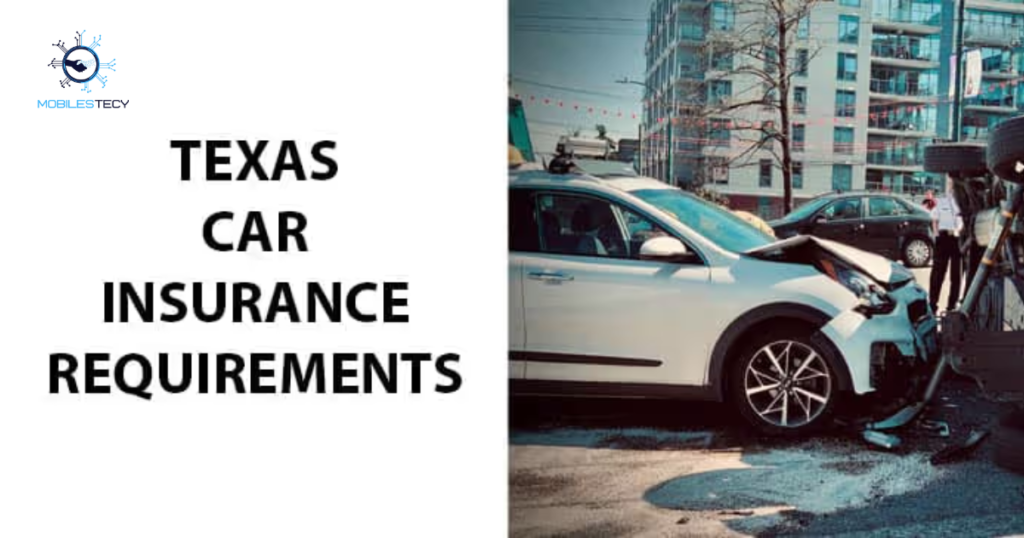
Texas law requires all drivers to carry minimum liability coverage. This includes $30,000 per person for bodily injury, $60,000 per accident for bodily injury, and $25,000 for property damage. These limits protect other drivers but do not cover damages to the insured’s own vehicle. For financed vehicles, liability coverage alone is insufficient to satisfy lender requirements. Lenders need assurance that the vehicle will be repaired or replaced if damaged.
Collision coverage is a standard requirement for financed cars in Texas. This protects the vehicle when it is involved in a crash, regardless of who is at fault. Without collision coverage, lenders risk losing the vehicle’s value in case of an accident. Comprehensive coverage is also required, covering theft, fire, vandalism, and natural events like hail. These combined coverages ensure the lender’s investment remains protected.
Texas drivers should maintain coverage for the full loan term. Policies must remain active at all times, with lapses potentially triggering force-placed insurance. Lenders monitor insurance and may contact borrowers if coverage expires. Borrowers are responsible for providing proof of insurance to avoid penalties. Failure to comply may result in additional fees or automatic policy placement by the lender.
Lender-Required Insurance Coverage
Financed vehicles often require comprehensive and collision coverage, which exceeds state minimums. Lenders require this coverage to ensure vehicles are protected against a wide range of risks. It includes protection from accidents, theft, vandalism, natural disasters, and other damages. The coverage limit is typically equal to the vehicle’s current market value.
Liability coverage alone does not satisfy lender requirements for financed vehicles. Borrowers must maintain proof of comprehensive and collision coverage throughout the loan term. Lenders may specify minimum coverage amounts, often equal to or higher than the loan balance. Drivers should review their policies to confirm compliance with lender requirements.
Choosing the Right Insurance for Financed Car Insurance

Drivers in Texas have several options when selecting insurance for financed vehicles. Policies should combine liability, collision, and comprehensive coverage for complete protection. Optional coverage may include roadside assistance, rental reimbursement, and gap insurance. Gap insurance is particularly important for financed cars, as it covers the difference between loan balance and actual cash value in total loss scenarios.
Insurance premiums vary based on factors like vehicle value, driver age, and driving history. Lenders may require proof of coverage before releasing the vehicle or approving the loan. Maintaining adequate coverage protects both the driver and the lender. Drivers should also monitor policy changes and renewals to prevent lapses. Adequate coverage reduces out-of-pocket expenses in case of accidents or vehicle damage.
Texas drivers should also consider deductibles carefully when choosing policies. A lower deductible means higher premiums but less financial burden after a claim. Higher deductibles reduce monthly costs but increase out-of-pocket payments after damage occurs. Lenders usually allow flexibility, but policies must meet minimum requirements. Balancing premium costs with adequate protection is critical for long-term financial security.
Gap Insurance for Financed Car Insurance
Gap insurance is highly recommended for financed cars in Texas. It covers the difference between the loan balance and the vehicle’s actual cash value. In total loss events, standard insurance may only pay the car’s current market value. Without gap insurance, borrowers may owe thousands of dollars to the lender even after insurance payout.
Gap insurance is particularly important for vehicles that depreciate quickly. High-loan balances or long-term loans increase the risk of negative equity. Gap coverage provides peace of mind by preventing unexpected out-of-pocket expenses. Borrowers should confirm whether gap insurance is included in their lender’s requirements.
Maintaining Compliance with Lender Requirements

Borrowers must provide proof of insurance to the lender regularly. Lenders monitor insurance policies to ensure continuous coverage. Failure to maintain coverage may result in force-placed insurance at higher cost. Lenders can charge additional fees and add premiums to the loan balance. Maintaining compliance avoids these penalties and keeps the loan in good standing. Continuous coverage protects both the borrower’s financial interest and the lender’s investment.
Understanding these requirements is crucial for all Texas drivers with financed vehicles. Maintaining proper insurance protects both the lender’s investment and the driver’s financial security. Proper compliance with lender requirements ensures financial security for financed vehicles in Texas. Misunderstanding insurance requirements can lead to penalties, higher costs, or loan complications.
Policyholders should notify lenders immediately if insurance is canceled or changed. Insurance companies can send proof of coverage directly to lenders. Regular review of coverage ensures policies meet lender requirements and state law. Borrowers should also maintain records of all communications and insurance documents. Staying informed about policy renewals and coverage limits prevents gaps in protection.
Common Misconceptions About Financed Car Insurance
Some drivers think state minimum liability coverage is sufficient for financed car insurance. In reality, lenders require comprehensive and collision coverage for financial protection. Others assume force-placed insurance will automatically cover everything, but it is often more expensive. Many borrowers neglect gap insurance, leaving them exposed to negative equity risks.
Drivers sometimes believe only new cars need lender-required insurance. Used financed vehicles often have the same requirements. Lenders want to protect their investment regardless of vehicle age. Borrowers should consult with insurance agents to understand exact lender requirements.
- Financed car insurance in Texas require comprehensive and collision insurance beyond state minimum.
- Gap insurance protects borrowers from negative equity in total loss situations.
- Force-placed insurance may be applied if borrowers fail to maintain coverage.
- Proof of insurance must be provided regularly to satisfy lender requirements.
- Adequate insurance protects both the borrower’s financial interest and lender investment.
Faq’s
What type of insurance is required for financed car insurance in Texas?
Lenders require comprehensive, collision, and liability coverage for financed vehicles.
Is state minimum liability insurance sufficient for financed car insurance?
No, lenders require additional comprehensive and collision coverage for protection.
What is gap insurance, and is it necessary?
Gap insurance covers the difference between loan balance and vehicle value.
Can a lender force-place insurance if coverage lapses?
Yes, lenders may apply force-placed insurance, which is often more expensive.
How do drivers prove insurance compliance to lenders?
Policy documents or insurance certificates must be submitted to the lender regularly.
Conclusion
Financed car insurance in Texas require more than state minimum liability insurance. Comprehensive and collision coverage protect both the borrower and the lender from financial loss. Gap insurance is essential for preventing negative equity in total loss situations. Proper knowledge ensures compliance, avoids unexpected expenses, and keeps financed vehicles protected. Drivers should review gap coverage options to ensure complete financial protection.
Borrowers must maintain continuous coverage throughout the loan term to avoid penalties. Force-placed insurance can be costly and is usually less flexible than regular policies. Understanding lender requirements ensures drivers are fully compliant and protected. Insurance agents can bundle gap coverage with comprehensive and collision policies for convenience. Understanding gap insurance protects drivers from financial strain in total loss scenarios.
Choosing the right insurance policy balances cost, coverage, and lender requirements. Regular review of deductibles, coverage limits, and policy renewals prevents gaps in protection. Maintaining proper insurance safeguards vehicles, protects finances, and satisfies lender and state requirements. Many lenders require or strongly suggest gap insurance for new or heavily financed vehicles.
Read more latest Articles on Mobilestecy.com