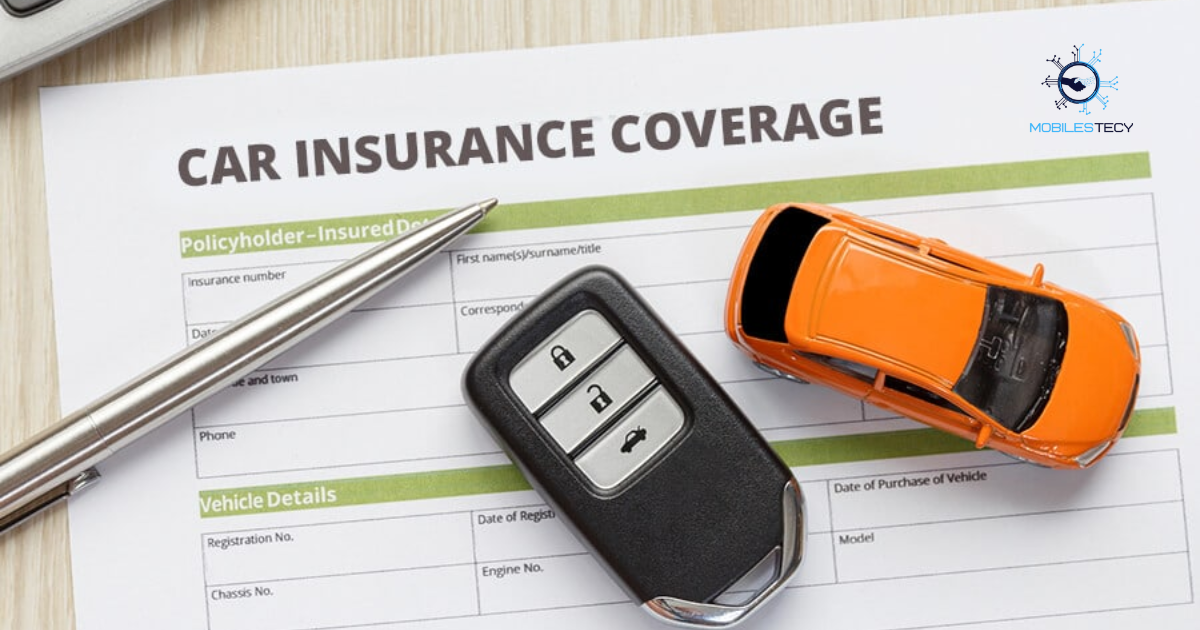
Owning and operating a vehicle in Louisiana comes with several legal obligations, one of which is car insurance. Many drivers in the state often ask whether Louisiana requires car insurance or if there are alternatives to protect themselves financially. Understanding the state laws and insurance requirements is crucial to avoid fines, penalties, and legal issues. Louisiana has specific minimum coverage requirements that drivers must meet before hitting the road.
Louisiana mandates that drivers maintain liability insurance to cover bodily injury and property damage. This requirement applies to all registered vehicles in the state, regardless of whether the driver owns or leases the vehicle. Failure to maintain proper insurance can result in fines, suspension of driving privileges, or even vehicle registration revocation. Liability coverage helps ensure that drivers can pay for damages or injuries caused in an accident.
In addition to liability coverage, Louisiana law requires drivers to carry proof of insurance at all times. Police officers may request to see valid insurance documentation during traffic stops or after accidents. Drivers can present either an insurance card, electronic proof, or a certificate issued by the insurance company. Having proof of insurance readily available helps avoid citations and ensures that drivers meet legal obligations.
Table of Contents
Minimum Car Insurance Requirements in Louisiana
Louisiana requires drivers to maintain minimum liability coverage, which includes both bodily injury and property damage. The state-mandated minimum limits are $15,000 per person for bodily injury, $30,000 per accident for bodily injury, and $25,000 for property damage. These minimums ensure that drivers can cover basic costs if they are at fault in an accident. Many insurance experts recommend purchasing coverage above the minimum to provide extra financial protection.
Liability insurance covers damages to others but does not cover the policyholder’s own injuries or vehicle damage. To protect themselves, drivers may choose additional coverage, such as collision or comprehensive insurance. Collision coverage pays for repairs to the insured vehicle in case of an accident, while comprehensive coverage handles non-collision-related damages like theft or natural disasters.
Louisiana also requires uninsured motorist coverage, which protects drivers if they are involved in accidents caused by uninsured or underinsured motorists. This coverage ensures compensation for medical expenses, lost wages, or property damage when the at-fault driver lacks insurance. Most insurance policies in Louisiana include uninsured motorist coverage as part of the standard liability policy.
Penalties for Driving Without Insurance in Louisiana
Driving without insurance in Louisiana can lead to severe legal consequences. First-time offenders may face fines ranging from $500 to $1,000, depending on the circumstances. Repeated violations may result in license suspension, registration revocation, or even jail time in extreme cases.
Additionally, driving uninsured can have long-term financial consequences. Accident victims may file lawsuits against uninsured drivers, resulting in out-of-pocket expenses for medical bills or property repairs. Insurance companies may also deny coverage if a driver has a history of non-compliance.
Alternatives and Proof of Insurance

Louisiana allows drivers to provide proof of financial responsibility as an alternative to maintaining traditional insurance. This can be done through a surety bond, cash deposit with the state, or a self-insurance certificate for qualifying individuals. However, these alternatives are less common and may not provide the same level of protection as standard insurance. Drivers should carefully consider the risks before opting for alternatives.
Drivers must carry proof of insurance or financial responsibility at all times. Law enforcement officers may request documentation during traffic stops or after accidents. Insurance cards, electronic proof, or certificates issued by the insurance company are accepted forms of documentation. Keeping updated and valid proof of insurance helps prevent citations and administrative penalties.
Insurance companies in Louisiana also provide digital proof of insurance that can be stored on mobile devices. This modern option simplifies verification and ensures that drivers always have proof available. Some drivers may also request temporary insurance cards for new policies or coverage changes. Insurance verification is essential for vehicle registration renewal, traffic stops, and accident claims.
High-Risk Drivers and SR-22 Requirements
High-risk drivers, such as those with multiple violations or DUI convictions, may be required to carry an SR-22 form. An SR-22 is a certificate of financial responsibility that proves the driver has the state-required minimum insurance coverage. Failure to maintain an SR-22 can result in license suspension and additional penalties.
SR-22 requirements are generally mandated for a specific period, often three years. During this period, drivers must maintain continuous insurance coverage to satisfy state law. Lapses in coverage may reset the required period and extend the legal obligations. High-risk drivers should work closely with their insurance providers to ensure continuous coverage.
Benefits of Maintaining Car Insurance in Louisiana

Maintaining car insurance not only meets legal requirements but also protects drivers financially. Insurance provides coverage for medical expenses, vehicle repairs, and legal liabilities after accidents. Drivers with proper insurance may also enjoy peace of mind knowing they are financially protected. Comprehensive insurance policies often include additional benefits like roadside assistance, rental car coverage, and glass repair.
Insurance coverage helps drivers manage risks associated with accidents and natural disasters. For example, comprehensive coverage protects vehicles from theft, fire, or flood damage. Liability coverage ensures victims of accidents receive compensation without forcing the at-fault driver into financial hardship. Insurance also helps maintain vehicle registration and license validity in Louisiana.
Car insurance can also lower personal liability in serious accidents. Without insurance, drivers may face lawsuits, wage garnishment, or liens to cover damages. Insurance companies handle claims, settlements, and legal defense, reducing stress for the policyholder. Maintaining proper insurance coverage improves financial stability and ensures compliance with state law. Drivers who understand and adhere to Louisiana insurance requirements avoid unnecessary risks and penalties.
Tips for Finding Affordable Car Insurance in Louisiana
Comparing multiple insurance providers can help drivers find competitive rates for required coverage. Factors affecting premiums include driving history, vehicle type, age, and credit score. Drivers can explore discounts such as multi-policy bundling, good driver, or safety feature incentives.
Shopping online or consulting insurance agents provides insight into the most suitable coverage options. Drivers should review policy limits, deductibles, and additional endorsements for comprehensive protection. Some insurers offer usage-based programs that adjust premiums based on driving behavior.
- Louisiana requires liability insurance covering bodily injury and property damage.
- Minimum coverage includes $15,000 per person and $30,000 per accident.
- Uninsured motorist coverage is mandatory to protect against uninsured drivers.
- Driving without insurance can lead to fines, license suspension, or registration revocation.
- High-risk drivers may require SR-22 filings to prove financial responsibility.
Faq’s
Does Louisiana require car insurance for all drivers?
Yes, all registered drivers must maintain liability insurance for legal compliance.
What is the minimum coverage required in Louisiana?
$15,000 per person, $30,000 per accident for bodily injury, $25,000 property damage.
Can I provide proof of financial responsibility instead of insurance?
Yes, through a surety bond, cash deposit, or self-insurance certificate.
What are the penalties for driving uninsured in Louisiana?
Fines, license suspension, vehicle registration revocation, or even possible jail time.
Do high-risk drivers have additional requirements?
Yes, they may need an SR-22 certificate to prove financial responsibility.
Conclusion
Louisiana requires drivers to maintain liability insurance and uninsured motorist coverage for all registered vehicles. Compliance ensures protection for drivers, passengers, and others in case of accidents or property damage. Penalties for driving without insurance include fines, license suspension, and registration revocation. Optional coverages like collision, comprehensive, and endorsements provide added financial protection.
Maintaining car insurance protects drivers from lawsuits, high repair costs, and unexpected financial burdens. Proper insurance coverage also helps maintain vehicle registration and avoid administrative penalties. High-risk drivers must comply with SR-22 requirements to maintain their driving privileges. Insurance companies offer multiple coverage options to fit budget, vehicle, and driver risk.
Investing in car insurance provides peace of mind, legal protection, and financial security. Comparing providers, understanding state requirements, and reviewing policy terms help drivers make informed choices. Insurance coverage safeguards against accidents, theft, natural disasters, and liability claims. Keeping valid proof of insurance ensures compliance during traffic stops or registration renewal.
Read more latest Articles on Mobilestecy.com