

Hearing loss affects millions of people worldwide and impacts daily life significantly. It can result from aging, genetics, infections, loud noise exposure, or injury. Untreated hearing loss may lead to communication difficulties, social isolation, and stress. Hearing aids are effective devices that improve hearing clarity and quality of life. These devices can be costly, leading many to question insurance coverage options.
The cost of hearing aids varies depending on style, features, and technology level. Some devices cost hundreds, while advanced models may cost several thousand dollars. Insurance coverage depends on the plan, state regulations, and documented medical necessity. Knowing coverage details helps patients avoid unexpected expenses and financial difficulties. Supplemental insurance or discounts may help reduce out-of-pocket costs for patients.
Insurance often covers hearing aids partially, depending on policy, age, and condition. Medicare typically does not cover hearing aids, but some Advantage plans may help. Medicaid coverage varies by state, and children often receive higher priority benefits. Private insurance plans may offer partial reimbursement with prior authorization or documentation. Veterans can access hearing aids through VA programs with comprehensive benefits.
Table of Contents
Understanding Hearing Loss and Its Effects
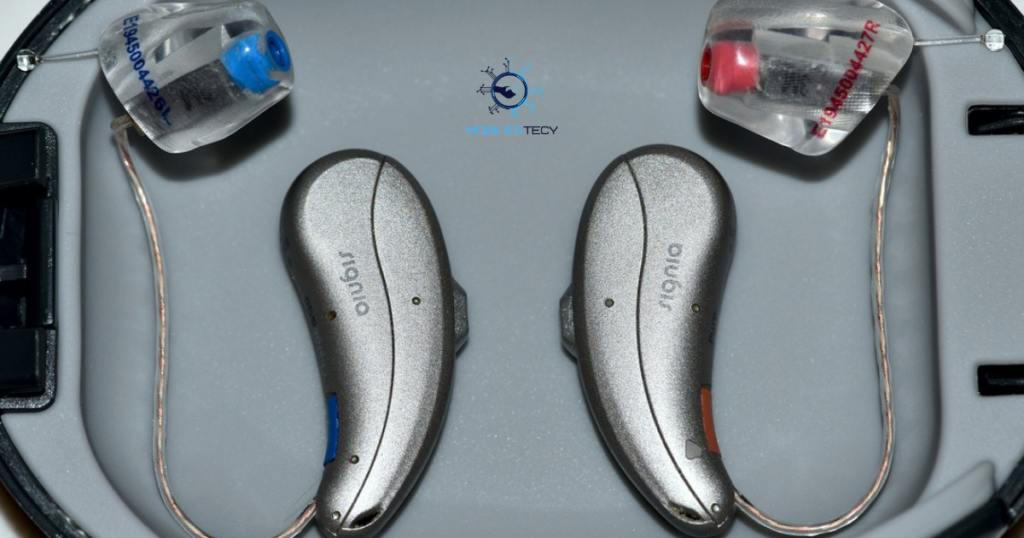
Hearing loss can range from mild to severe, affecting communication daily. Untreated hearing loss may reduce work efficiency, relationships, and social engagement. It can also lead to depression, isolation, and cognitive decline over time. Early detection allows intervention, improving long-term outcomes and auditory performance. Hearing aids restore clarity, improve safety, and enhance overall quality of life.
Several factors contribute to hearing loss, including aging, noise, and genetics. Medications, chronic illnesses, and injuries may also impair auditory function significantly. Certain recreational activities or occupational noise exposure can increase the risk of damage. Understanding the cause helps determine the type of hearing aid required effectively. Timely intervention ensures patients achieve optimal hearing outcomes and avoid complications.
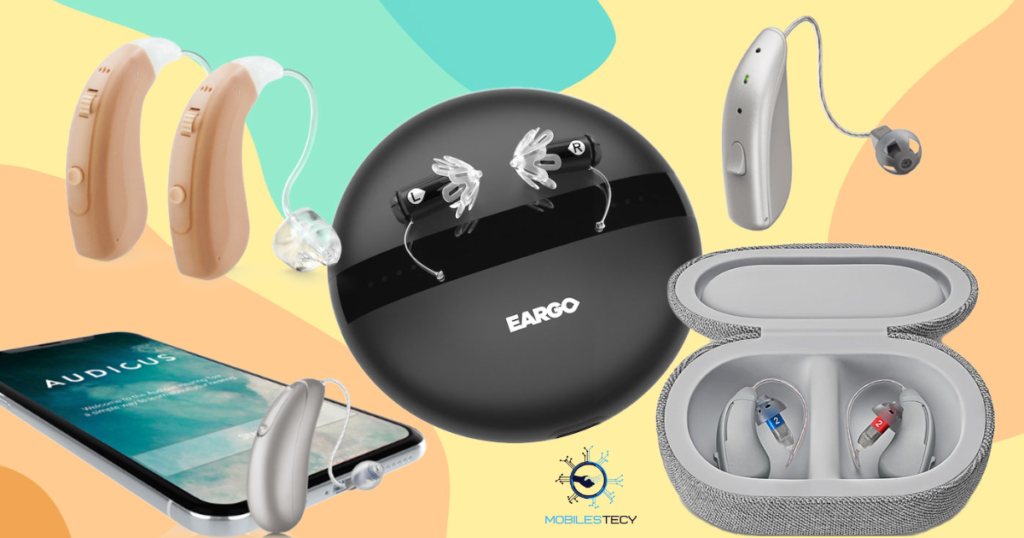
Hearing aids have advanced with digital technology, offering better sound quality. They come in various styles such as behind-the-ear or completely-in-canal models. Features include Bluetooth connectivity, directional microphones, and customizable amplification settings. Selecting the right device depends on hearing loss severity and lifestyle requirements. Insurance coverage often depends on medical necessity, age, or plan-specific limitations. Patients must understand device options and associated costs before purchase or claim submission.
Types of Insurance Covering Hearing Aids
Private health insurance plans usually do not routinely cover hearing aids, but some plans may provide partial coverage for adults with documented medical conditions. Coverage often requires prior authorization, audiologist documentation, and plan approval. Supplemental insurance plans can help reduce costs not included in primary coverage.
Original Medicare (Parts A and B) generally does not cover hearing aids, but some Medicare Advantage (Part C) plans provide partial benefits or discounts for devices. Coverage depends on plan terms, eligibility, and specific medical documentation requirements. Patients should compare Advantage plans to identify maximum potential hearing aid support..
Medical Necessity and Insurance Approval
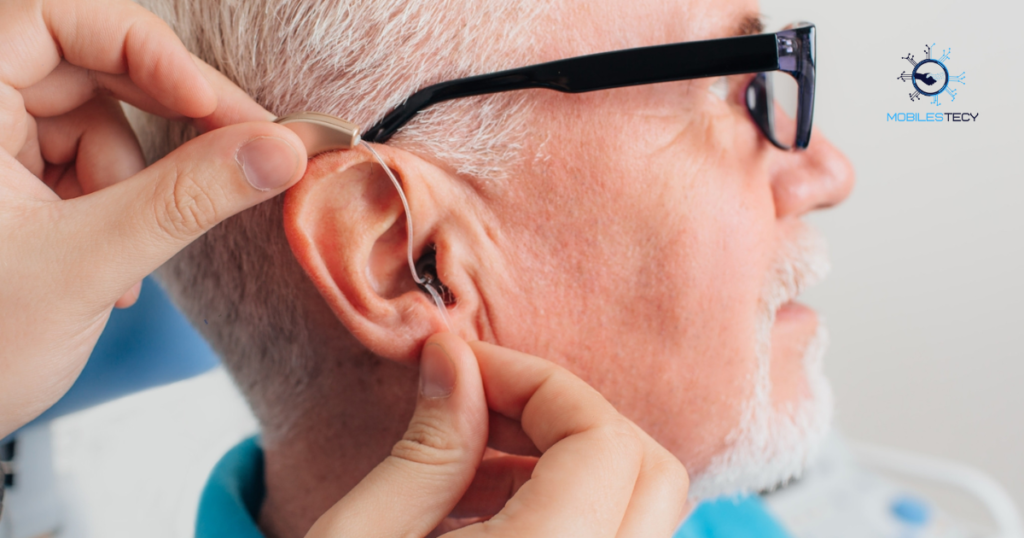
Insurance coverage usually requires proof that hearing loss significantly affects daily life. Audiologists conduct evaluations and document medical necessity to support insurance claims. Patients with documented functional limitations have better chances of coverage approval. Children are often prioritized to support language development, education, and social growth. Adults may require progressive hearing loss documentation or medical conditions affecting hearing.
Some insurance plans limit coverage to specific brands or types of hearing aids. Premium features like Bluetooth or rechargeable batteries may require additional out-of-pocket payments. Prior authorization ensures devices meet medical criteria and insurance policies. Patients must confirm coverage, device type limits, and documentation requirements in advance. Communication between audiologists and insurers is essential to prevent claim denials.
Coverage may also include pre-testing, fittings, and post-device follow-ups depending on plan. Patients should clarify whether all related services are included or require additional payment. Knowing insurance details in advance ensures financial readiness and avoids surprise bills. Patients should plan for any uncovered device upgrades or advanced features responsibly. Early intervention enhances outcomes and prevents worsening hearing loss over time.
Cost and Out-of-Pocket Expenses
Hearing aids are expensive, ranging from $1,000 to $6,000 per device depending on technology and features. Advanced digital devices, wireless connectivity, and customizable options increase the price significantly. Out-of-pocket expenses may include evaluations, fittings, follow-ups, and maintenance costs.
Children are usually better covered, while adult insurance support remains limited in most plans. Supplemental insurance, FSAs, and HSAs can reduce financial burden effectively for patients. Manufacturer discounts or payment plans help spread costs over time affordably. Patients should compare pricing among providers and seek transparent cost breakdowns..
Steps to Maximize Insurance Coverage
First, review your health insurance plan for hearing aid coverage details and limits. Understand deductibles, co-pays, and required documentation for claim approval thoroughly. Confirm whether prior authorization is needed before purchasing or receiving devices. Second, consult an audiologist for evaluation and documentation supporting medical necessity. Obtain written recommendations specifying device type, features, and expected benefit outcomes. Third, coordinate with providers to ensure the clinic or audiologist accepts your insurance plan.
Patients should clarify coverage for evaluations, fittings, and follow-up visits fully. Understand limitations on device brands, styles, or features to prevent denied claims. Use supplemental insurance, FSAs, or HSAs to offset uncovered out-of-pocket costs. Planning in advance ensures smooth approval and timely acquisition of hearing aids. Accurate documentation and communication reduce the risk of delays or rejected claims. Being proactive ensures patients receive high-quality hearing devices efficiently and affordably.
Understanding insurance rules helps patients plan financially and access necessary devices efficiently. Patients benefit from restored hearing, improved safety, and enhanced quality of life with planning. Clear understanding of coverage allows cost-effective and confident decisions regarding hearing aid acquisition. Partial insurance coverage reduces expenses but may leave substantial personal payment obligations. Patients should plan for these costs and explore financial assistance options carefully.
Additional Considerations for Patients
Patients should explore manufacturer discounts or nonprofit programs for additional savings. Veterans may qualify for comprehensive hearing aid support through VA healthcare programs. FSAs and HSAs allow use of pre-tax funds for uncovered device costs. Coordination among audiologists, providers, and insurers ensures proper claim approval process.
Medicaid coverage varies by state, often covering pediatric hearing aids fully, while adult coverage is limited. Prior authorization and audiologist documentation are typically required to secure reimbursement approval. Patients should contact their state Medicaid office to confirm eligibility and limits.
Insurance coverage for hearing aids varies by plan, age, and medical necessity.
- Medicare generally does not cover hearing aids, while some Advantage plans provide support.
- Medicaid coverage depends on state regulations and often prioritizes pediatric patients.
- Veterans can receive hearing aids through VA programs with minimal out-of-pocket expenses.
- Out-of-pocket costs may include device upgrades, fittings, and follow-up evaluations.
Faq’s
Does insurance cover hearing aids for adults?
Coverage is limited; adults often must pay fully or receive partial support.
Are hearing aids covered for children?
Pediatric coverage is prioritized by most plans to support development effectively.
Does Medicare cover hearing aids?
Original Medicare does not, but some Medicare Advantage plans may offer partial coverage.
Can veterans obtain hearing aids through the VA?
Yes, eligible veterans can receive devices and follow-up care through VA programs.
How can patients reduce out-of-pocket costs for hearing aids?
Use supplemental insurance, FSAs, HSAs, manufacturer discounts, or payment plans.
Conclusion
Hearing aids improve communication, safety, and quality of life for millions of people. Insurance coverage depends on plan type, age, and medical necessity documentation requirements. Pediatric patients usually have better coverage, while adult support is limited and often requires out-of-pocket payment. Medicare generally does not cover hearing aids, but some Advantage plans may provide partial assistance. Medicaid coverage varies by state, while veterans benefit from VA programs with comprehensive support.
Cost is a major consideration, as hearing aids range from $1,000 to $6,000 per device. Advanced features and technology increase expenses, requiring careful planning and potential supplemental coverage. FSAs, HSAs, and manufacturer programs can help offset costs and reduce financial burden. Patients should obtain thorough evaluations, proper documentation, and prior authorization to maximize coverage. Planning ensures timely access to hearing aids and prevents delays in receiving auditory care.
Being informed about insurance coverage, device types, and out-of-pocket expenses ensures a smooth process. Early intervention for hearing loss improves communication, cognitive health, and social well-being effectively. Coordination between audiologists, providers, and insurers ensures claim approval and efficient device acquisition. Supplemental insurance, VA programs, or state-specific Medicaid options provide additional financial support.
Read more latest Articles on Mobilestecy.com