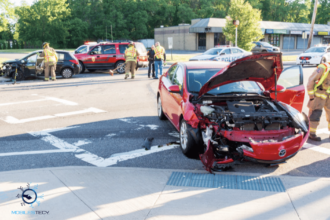
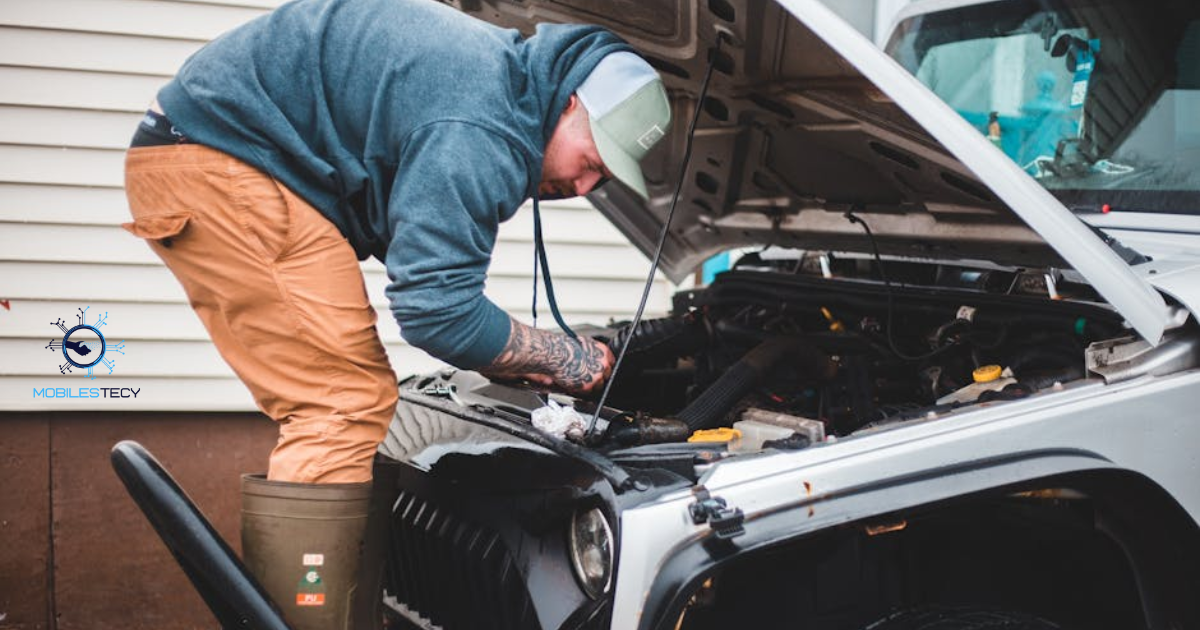
Rust damage is a common problem that affects many cars over time. It develops when metal reacts with moisture and oxygen in the environment. Car owners often ask whether insurance policies cover this type of damage. Most standard auto insurance plans exclude wear and tear issues entirely. Understanding what rust is and how it forms is very important. Knowledge about insurance policies can save money and prevent unnecessary expenses.
Environmental conditions significantly influence the rate at which rust occurs. High humidity, heavy rain, or snow can accelerate corrosion on vehicles. Road salt used in winter often causes rust damage to spread rapidly. Even minor scratches or chips can allow rust to form underneath. Neglecting proper maintenance increases the likelihood of serious rust damage. Car owners should learn effective ways to prevent rust on vehicles.
Many people mistakenly assume comprehensive insurance covers rust damage automatically. This is false because rust develops gradually over long periods of time. Insurance only protects against sudden, accidental, or unforeseen damage occurrences. Gradual deterioration like rust is considered the car owner’s responsibility. Understanding policy exclusions is crucial before filing any potential insurance claim. Preventing rust is far more cost-effective than trying to claim insurance.
Table of Contents
Causes of Rust Damage on Vehicles
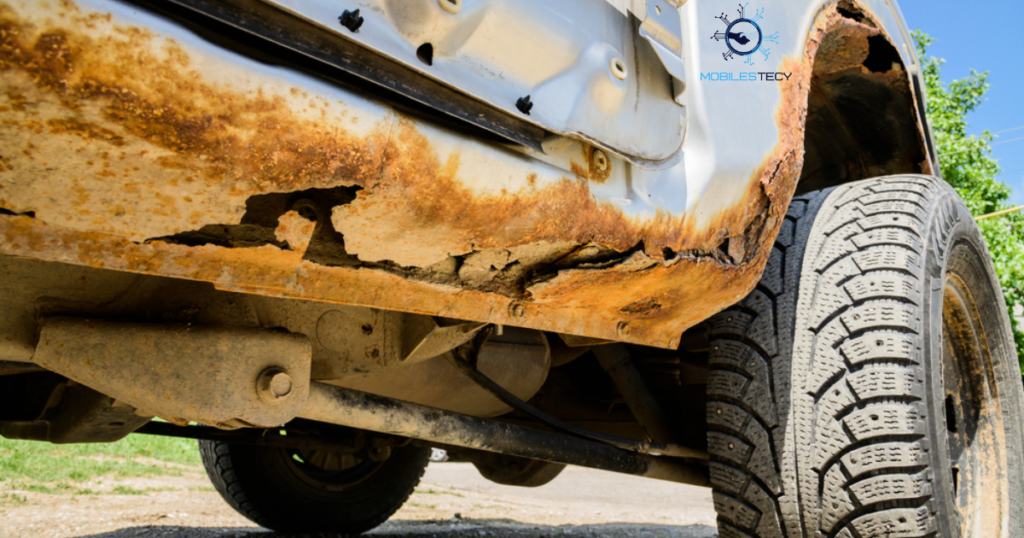
Rust occurs when metal reacts with water and oxygen in the air. Salt, humidity, and environmental factors significantly increase corrosion speed. Even minor scratches or paint chips expose metal to moisture and rust. Vehicles stored outside are more susceptible to rust damage formation and spreading. Neglecting regular washing and maintenance accelerates structural and cosmetic damage. Understanding the causes helps owners take preventive measures effectively and safely.
Winter road salt is a major contributor to undercarriage rust formation. Salt reacts with moisture and metal to create corrosion quickly over time. Areas with heavy snowfall or icy roads experience faster rust development. Wheel wells and lower panels are most affected by this corrosion. Preventive cleaning after winter drives can significantly slow rust progression. Protecting the car underbody reduces maintenance costs and structural deterioration risks.
Poor maintenance habits also contribute heavily to rust-related vehicle issues. Failing to wash cars regularly allows dirt and moisture to accumulate. Skipping wax treatments or protective coatings exposes metal to harmful elements. Surface rust can evolve into structural rust if neglected over time. Structural rust can weaken the car frame and compromise safety significantly. Regular inspection and proactive maintenance remain critical to prevent serious damage.
Types of Rust Damage and Insurance Coverage
Surface rust damage appears on paint or minor exposed metal areas slowly. It is mostly cosmetic but can worsen without proper care or protection. Structural rust affects the frame or critical components, threatening vehicle safety. Insurance companies classify both types as wear and tear damage only. This means standard auto policies do not cover rust damage repairs under any circumstances.
Comprehensive insurance covers sudden accidental events, not gradual deterioration like corrosion. Only damage from covered events, such as flooding or hail, may qualify. Even then, the rust must directly result from the accident to be covered. Most policies explicitly exclude corrosion and mechanical failure due to aging vehicles.
Why Car Insurance Usually Does Not Cover Rust
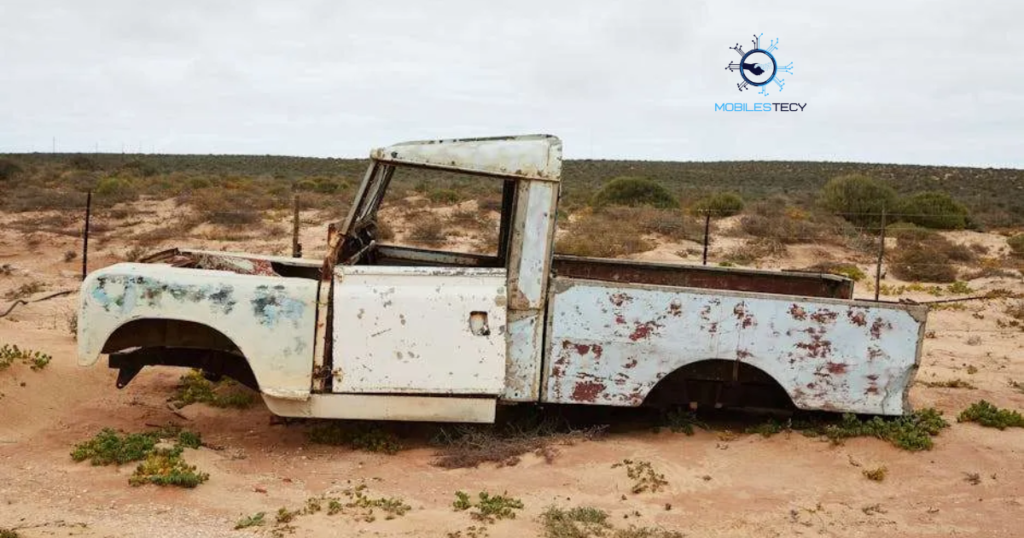
Insurance is designed to protect against unpredictable losses, not predictable deterioration. Rust is gradual and preventable, so insurers classify it as wear and tear. Repairing rust can be expensive, but insurers do not consider it a covered risk. Policies clearly state exclusions for corrosion, aging, and general maintenance issues. Gradual deterioration is considered a responsibility of the car owner only. Ignoring policy limitations can result in claim denial and financial loss.
Some exceptions exist when rust damage results from sudden accidental events, such as floods. Flooding can accelerate corrosion, and comprehensive insurance may cover damage caused. Hail or falling objects may also indirectly trigger rust-related repairs coverage. Even then, insurers require proof that rust damage directly resulted from the covered event. Policyholders must document damage carefully and report incidents promptly for evaluation.
Neglect and lack of maintenance are primary reasons rust is not covered. Owners must regularly wash and wax their vehicles to prevent corrosion. Insurance expects preventative care to reduce long-term damage and avoid claims. Structural rust can compromise safety, but insurance does not pay for deterioration. Proactive care prevents expensive repairs and preserves vehicle value effectively over time.
Exceptions and Special Coverage Options
Some manufacturers provide corrosion or rust warranties for a specific number of years. These warranties often cover structural rust but exclude minor cosmetic rust issues. Coverage may vary depending on vehicle age, model, and driving environment. Optional add-ons or corrosion protection plans are occasionally available from insurers.
Flooding or accidental water damage may qualify under comprehensive insurance policies. If rust develops quickly after a covered accident, insurers may pay repairs. Proof of the covered event and timing is required for any claim. Without accidental or sudden damage, insurance will not reimburse rust repair costs.
Preventing Rust Damage Effectively
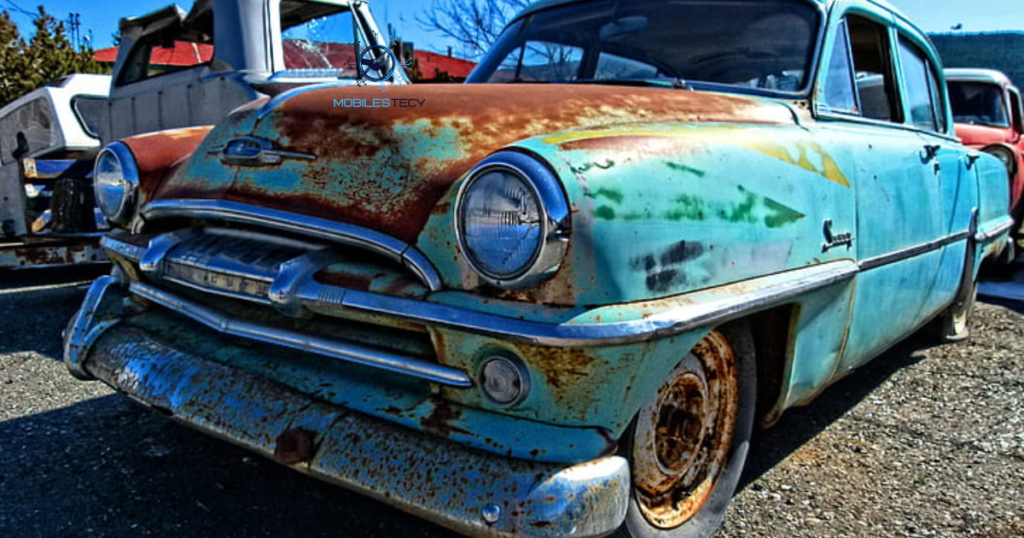
Regular washing removes salt, dirt, and moisture that contribute to corrosion. Waxing at least twice a year protects paint and underlying metal effectively. Garage storage shields vehicles from environmental factors that accelerate rust formation. Rustproofing sprays and coatings create a barrier against moisture and oxidation. Immediate repair of scratches, dents, and chips prevents corrosion from starting early.
Insurance rarely covers these repairs, so owners must plan maintenance budgets accordingly. Being proactive preserves vehicle performance, safety, and long-term investment effectively. Understanding limitations allows owners to budget and care for vehicles properly. Taking responsibility for vehicle upkeep avoids frustration, high costs, and safety risks. Proper maintenance significantly reduces the need for costly rust repairs later.
Pay attention to undercarriage and wheel wells where rust develops most quickly. Removing accumulated dirt, mud, and salt prevents long-term structural damage effectively. Even minor preventive measures extend car life and maintain resale value over time. Regular inspections allow early detection before rust spreads and compromises safety. Protective coatings and treatments may require professional application for maximum effectiveness. Prevention is always more cost-effective than repair or replacement of rusted parts.
Costs of Rust Repair
Surface rust can cost between fifty and five hundred dollars per panel. Structural rust affecting frame or suspension may cost several thousand dollars. Undercarriage repairs often range from one thousand to three thousand dollars. The total cost depends on severity, affected parts, and labor required.
Repairing rust involves sanding, priming, welding, and repainting affected areas carefully. Professional services are often needed to ensure durability and safety after repairs. Ignoring minor rust can lead to higher long-term costs and safety risks. Preventive measures are cheaper than repairing large-scale corrosion later on.
- Car insurance generally does not cover rust or corrosion-related damage.
- Comprehensive policies cover sudden accidents, not gradual deterioration or aging.
- Flooding or hail damage may indirectly lead to limited rust coverage.
- Warranties or corrosion protection plans may provide additional coverage options.
- Preventive maintenance reduces long-term repair costs and preserves vehicle safety effectively.
FAQ’s
Does comprehensive insurance cover rust on my vehicle?
No, comprehensive insurance only covers sudden, accidental, or unforeseen damage events.
Can rust caused by floods be covered by insurance?
Yes, if rust develops directly from a covered accidental event.
Are car warranties useful for rust-related damage?
Yes, some warranties cover structural rust for a limited time period.
How can I prevent rust from damaging my car?
Regular washing, waxing, rustproofing, and garage storage help prevent corrosion.
Is repairing rust covered under standard insurance policies?
No, rust repairs are considered wear and tear, excluded from coverage.
Conclusion
Rust damage is a common problem, but insurance rarely provides coverage. Gradual deterioration caused by moisture, salt, or neglect is considered wear and tear. Insurance policies are designed to protect against sudden, accidental, or unforeseen events. Preventive maintenance, including washing, waxing, and rustproofing, is the most effective solution. Warranties or optional corrosion coverage may provide limited protection against structural rust. Owners should proactively maintain vehicles to prevent costly repairs and preserve safety.
Surface rust is mostly cosmetic, while structural rust can threaten vehicle safety. Repair costs can range from hundreds to thousands depending on damage severity. Being proactive with preventive measures helps save money, time, and stress effectively. Garage storage, coatings, and prompt repair of scratches significantly reduce rust risk. Insurance should not be relied upon for gradual rust or corrosion-related damage.
Proper car care prevents corrosion, prolongs vehicle life, and maintains resale value. Even small preventive actions can reduce future expenses significantly over time. Rust prevention is always better than relying on insurance or expensive repairs. Being informed, inspecting regularly, and acting promptly ensures long-term vehicle protection. Owners must combine maintenance with knowledge of policy limitations for maximum benefit.
Read more latest Articles on Mobilestecy.com