Car paint protects the vehicle from weather, corrosion, and minor damages daily. Maintaining paint preserves the car’s appearance and also its resale value effectively. Accidents, scratches, and environmental factors often lead to paint damage unexpectedly. Many car owners wonder if their insurance policy will cover paint damage. Knowing how insurance handles paint issues helps prevent unnecessary financial burdens.
Paint damage can occur due to accidents, weather, or minor daily incidents. Hail, sun exposure, and falling objects often damage the car’s exterior. Scratches from parking lots or other vehicles also affect vehicle paint. Vandalism such as keying or graffiti further contributes to paint problems. Poor maintenance over time can result in fading or peeling paint easily. Knowing the cause of damage helps determine whether insurance may provide coverage.
Insurance coverage depends on the type of policy and specific incident reported. Liability, collision, and comprehensive policies handle paint damage differently depending on circumstances. Minor scratches or fading are typically considered wear and tear by insurers. Major damage from accidents or vandalism may qualify for insurance reimbursement. Understanding policy limits and deductibles ensures a proper approach to repairs.
Table of Contents
Causes of Paint Damage
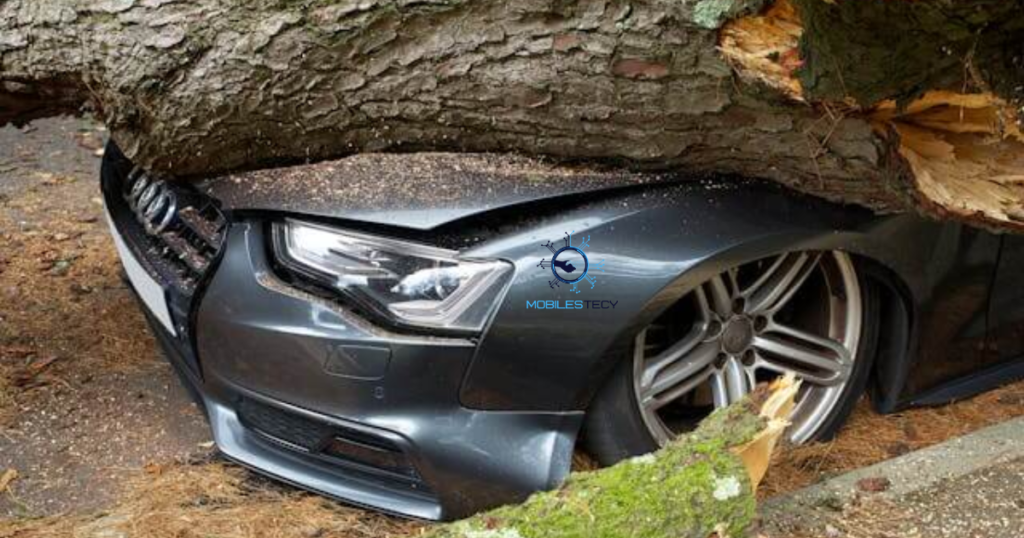
Paint damage occurs due to environmental factors and accidental impacts over time. Hailstorms, extreme heat, or sudden temperature changes can cause paint to deteriorate. Tree branches, debris, or tools falling on vehicles also scratch or dent paint. Minor collisions in parking lots often leave scratches and scuffs on panels. Vandalism such as keying or graffiti can require costly professional repainting services.
Improper car washing techniques and neglect can accelerate fading and corrosion. Using harsh brushes or chemicals may damage the protective paint layer. Skipping wax treatments reduces the paint’s ability to withstand environmental stress. Accumulated dirt or road salt can chemically react with paint and metal. Ignoring small scratches allows them to expand and eventually reach the metal surface.
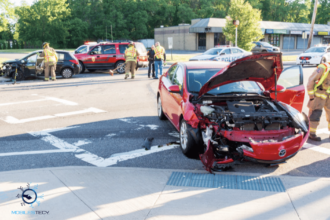
Accidents involving other vehicles or stationary objects are common sources of paint damage. Collision insurance may cover repairs if damage results from an accident claim. Insurance typically only covers paint damage caused by sudden or accidental events. Wear and tear, neglect, or fading are excluded from standard policies consistently. Understanding how damage occurred is necessary to determine insurance eligibility for coverage.
Types of Paint Damage and Coverage
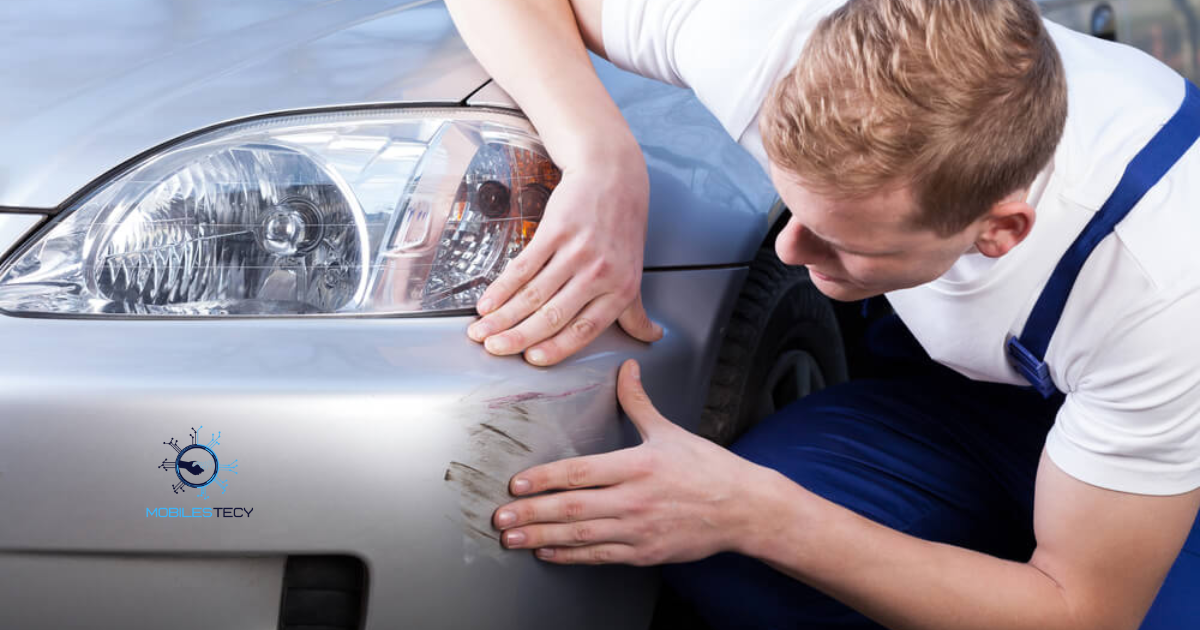
Superficial scratches affect only the clear coat and are cosmetic in nature. Insurance companies generally do not cover minor surface scratches or small chips. Structural damage exposing metal may require professional repainting and can be covered. Collision insurance often reimburses repairs after accidents causing paint or body damage.
Environmental damage like sun fading or minor scratches from daily wear is excluded. Wear and tear is the responsibility of the car owner, not the insurer. Policy limits, deductibles, and coverage types determine eligibility for paint repair claims. Minor cosmetic repairs are often better handled out-of-pocket to avoid higher premiums.
When Insurance Covers Paint Damage
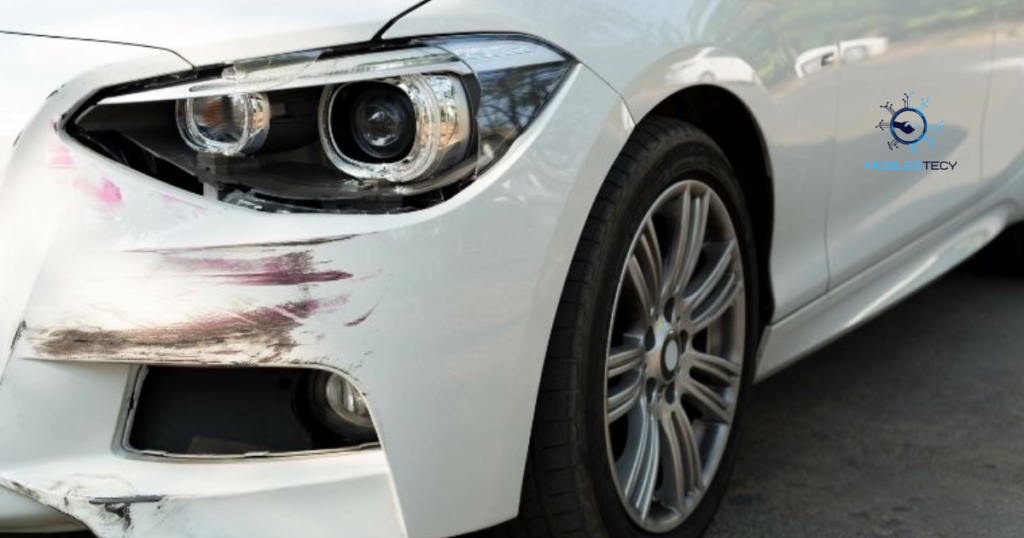
Collision insurance covers paint damage resulting from car accidents and crashes. If another vehicle hits your car, repairs including paint may be reimbursed. Insurance pays for repainting damaged panels after collision, minus the deductible amount. Comprehensive insurance covers paint damage from vandalism, theft, or weather-related incidents. Hailstorms or falling branches causing scratches are usually reimbursed under comprehensive coverage.
Paint damage from accidental fire or theft may also qualify for coverage. Repair costs for panels damaged during these events can be claimed with receipts. Insurance usually does not cover gradual fading or minor scratches from everyday use. Preventive care like waxing or protective coatings reduces future insurance claims and expenses. Understanding coverage terms helps avoid denied claims and unexpected out-of-pocket expenses.
Insurance may cover full repainting if damage is significant and affects multiple panels. Minor scratches may not meet repair thresholds required for insurance reimbursement. Professional repair estimates help determine whether insurance claims should be submitted for coverage. Policyholders must follow claim procedures and provide detailed documentation for approval. Car owners should always compare repair cost versus deductible before filing a claim.
Cost of Paint Damage Repairs
Repair costs depend on severity, area, and type of damage experienced. Minor scratches can often be repaired with touch-up paint costing fifty to three hundred dollars. Medium damage requiring panel repainting can cost between three hundred and one thousand dollars. Extensive damage or multiple panels may require full professional repainting, costing over three thousand dollars.
Paintless dent repair may be an option if the paint remains intact. Professional repainting ensures color matching and durability for long-lasting results. Ignoring small scratches may lead to rust and higher long-term repair costs. Preventive maintenance helps preserve vehicle value while controlling future painting expenses effectively. Understanding repair options allows car owners to choose cost-efficient and high-quality solutions.
Preventing Paint Damage
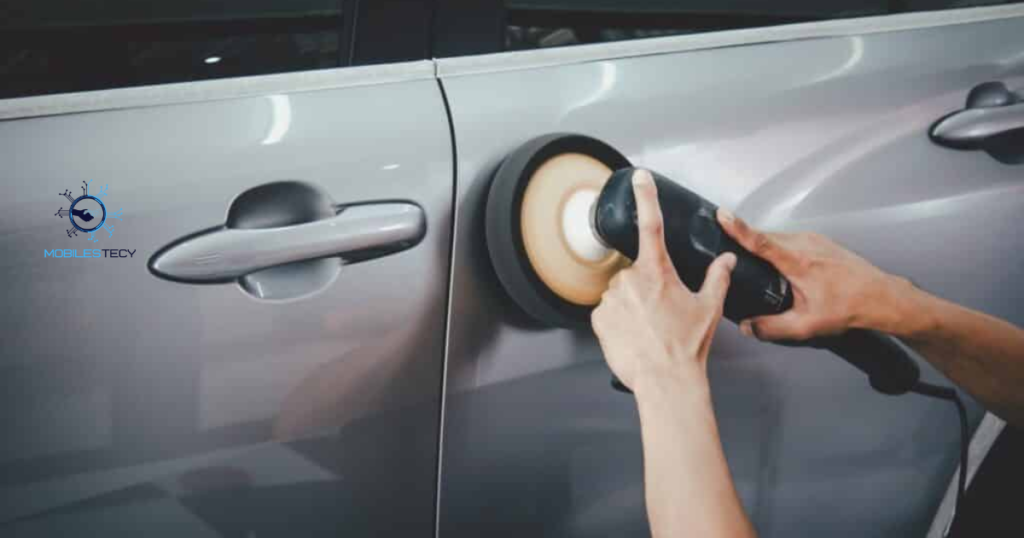
Regular washing and waxing protects the car’s paint from dirt and environmental stress. Applying wax at least twice a year strengthens the protective layer on paint. Parking in garages or shaded areas reduces fading caused by sun exposure. Using car covers protects vehicles from falling debris, weather, and minor scratches. Promptly repairing chips or scratches prevents them from spreading and causing rust.
Avoiding parking near construction zones or trees minimizes risk of accidental paint damage. Proper preventive care such as washing, waxing, and parking in garages helps reduce paint damage risks. Luxury or custom paint jobs are more expensive and often exceed standard repair estimates. Being informed ensures proper financial planning for paint repairs and overall maintenance.
Cleaning undercarriage and wheel wells helps prevent corrosion caused by road salt. Applying protective coatings or professional treatments can extend paint life significantly. Even minor preventive measures help maintain the car’s appearance and resale value. Regular inspections allow early detection of damage before it worsens or spreads.
Insurance Deductibles and Filing Claims
Deductibles determine whether filing an insurance claim for paint damage is cost-effective. If repair costs are below the deductible, insurance will not cover any expenses. Policyholders must document damage clearly with photos before contacting the insurance company. Providing repair estimates helps insurers process claims quickly and efficiently for approval.
Knowing your coverage type and limits ensures accurate decisions on filing claims successfully. Proper vehicle maintenance ensures long-term protection and preserves aesthetic appeal effectively. Understanding the importance of preventive care reduces reliance on insurance claims over time.
- Collision insurance may cover paint damage caused by accidents with other vehicles.
- Comprehensive coverage handles paint damage from vandalism, theft, or weather-related incidents.
- Minor scratches, fading, and wear are not covered under standard insurance policies.
- Preventive maintenance such as waxing, washing, and parking in garages reduces paint damage.
- Deductibles and policy limits affect whether filing a claim is financially worthwhile.
Faq’s
Does insurance cover minor scratches or chips on my car paint?
No, minor scratches and wear are usually considered maintenance, not covered.
Will insurance pay for paint damage from hailstorms or falling branches?
Yes, comprehensive insurance generally covers paint damage caused by such accidents.
How does collision insurance help with paint repairs after accidents?
Collision coverage reimburses repainting costs caused by accidents, minus the deductible.
Can preventive measures reduce the likelihood of filing insurance claims?
Yes, washing, waxing, and careful parking protect paint from daily damage.
Are luxury or custom paint jobs covered by standard insurance policies?
Coverage may exist, but policy limits and deductibles often restrict full reimbursement.
Conclusion
Paint damage is a common issue, and insurance coverage depends on the type of damage. Collision and comprehensive insurance may cover paint damage caused by accidents, vandalism, or weather events. Minor scratches, fading, and wear are generally excluded. Understanding policy terms, deductibles, and coverage limits ensures proper decision-making for repairs.
Repair costs vary depending on severity, area, and type of damage. Minor touch-ups are inexpensive, while full panel or multiple panel repainting is costly. Professional repair ensures durability and proper color matching for long-lasting results. Preventive maintenance and early repairs save money and preserve the car’s aesthetic value. Choosing whether to file an insurance claim depends on repair cost versus deductible.
Ultimately, car owners should combine preventive care with knowledge of insurance coverage. Understanding what is and isn’t covered avoids unexpected expenses and frustration. Regular inspections, prompt repairs, and maintenance help prevent paint damage and preserve vehicle value. Knowing coverage options ensures financial protection and effective long-term vehicle care. Preventing paint damage minimizes reliance on insurance and helps maintain overall car condition.
Read more latest Articles on Mobilestecy.com