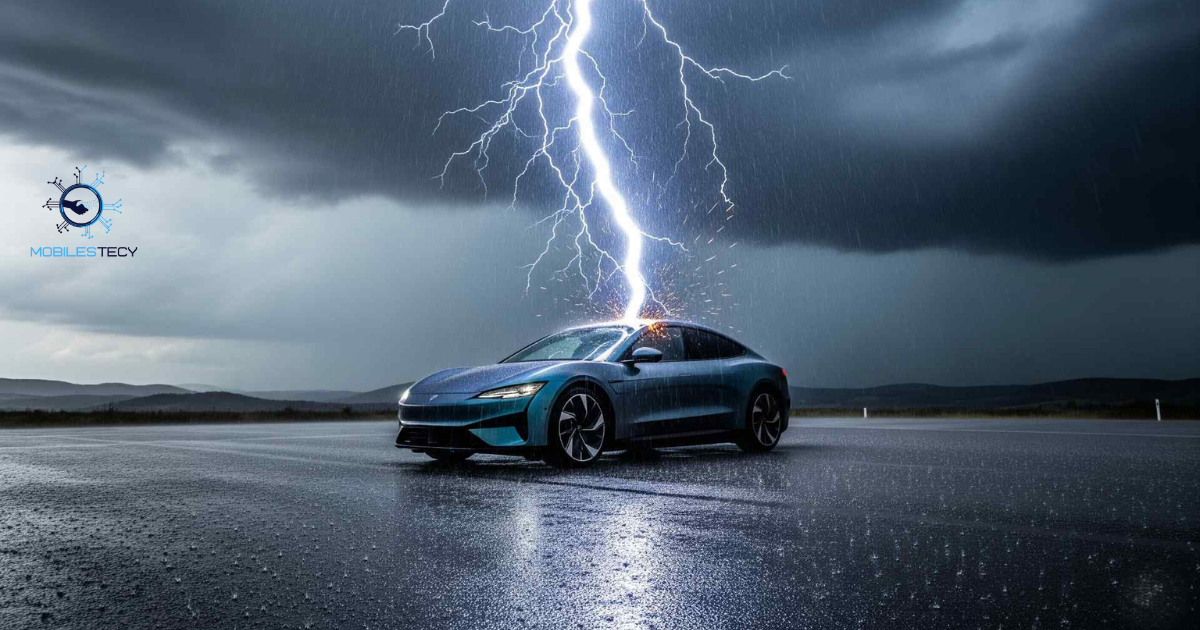
Lightning Strikes is a powerful natural phenomenon that can strike vehicles unexpectedly. It carries millions of volts and can cause fires or electrical failures. Many drivers wonder if car insurance covers damages caused by lightning strikes. The answer depends primarily on the type of insurance policy a person holds. Understanding coverage details is important for drivers living in storm-prone areas.
Lightning can affect vehicles parked in open spaces or moving during storms. The damage ranges from minor cosmetic effects to complete total loss scenarios. Modern vehicles are especially vulnerable because of the complex electronic systems they contain. Insurance companies classify lightning as a natural disaster rather than a collision or accident. Knowing which coverage types protect against lightning helps drivers avoid financial surprises.
Although lightning strikes are rare, their impact can be severe and costly. States with frequent thunderstorms, such as Florida, Texas, and Oklahoma, have higher incidents. Drivers should not assume all storm-related damage is automatically covered by insurance. Awareness of deductibles, limits, and claim procedures is essential to avoid frustration. Comprehensive insurance is generally required to protect vehicles from lightning damage.
Table of Contents
How Lightning Damages Vehicles
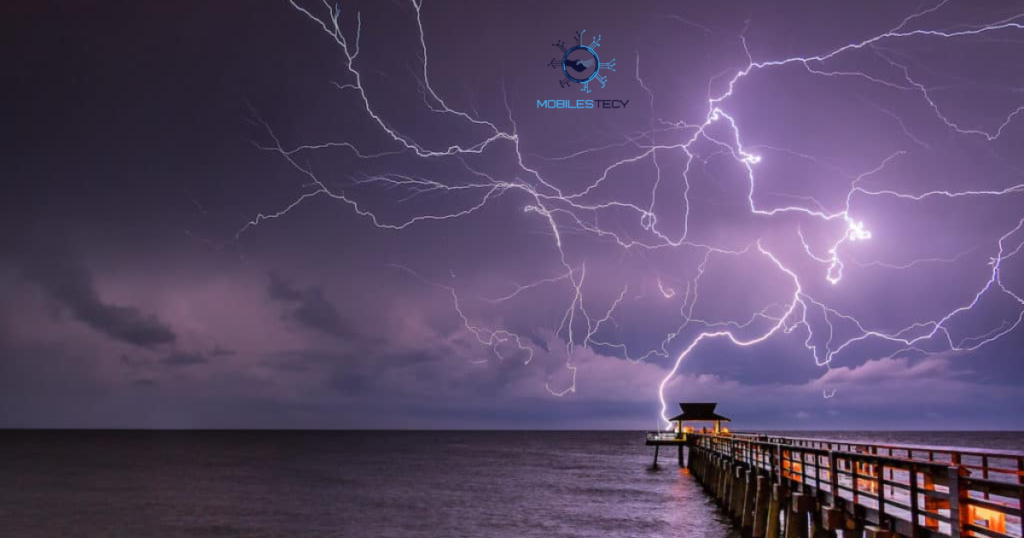
Lightning can damage vehicles in multiple ways depending on where it strikes. Electrical energy travels through metal, often damaging onboard electronics and computer systems. Modern cars contain sensors, control modules, and infotainment systems vulnerable to lightning-induced surges. Even tires and metal body panels, which conduct electricity, may experience indirect damage. Structural damage, fire, or burns may occur if flammable materials are present in the vehicle.
Lightning may also ignite fires or cause explosions, particularly if fuel or combustible items are nearby. It can create dents, punctures, or scorch marks on the vehicle exterior. Glass surfaces, including windows or sunroofs, may shatter due to the energy transfer. Damage severity often determines whether a vehicle is repairable or considered a total loss. Insurance adjusters carefully evaluate each case to estimate costs and payouts accurately.
Lightning damage can extend beyond the vehicle exterior and bodywork into hidden systems. Engine management, airbags, brakes, and other electronic systems may malfunction after a strike. Even minor strikes can produce expensive repairs if sensors or control units fail. Immediate inspections and diagnostic checks are essential to identify hidden problems caused by lightning.
Insurance Coverage for Lightning Strikes
Insurance coverage depends on the type of auto policy a driver holds. Liability insurance covers damage caused to others but does not protect your vehicle. Collision insurance applies to crashes with objects or vehicles and is insufficient for lightning. Comprehensive coverage, also called “other than collision,” protects against natural disasters including lightning.
Comprehensive coverage protects against both direct strikes and secondary damage from lightning. For instance, if lightning causes a tree to fall on a car, coverage usually applies. Adjusters assess the cause and extent of damage to confirm eligibility. Filing timely claims and providing documentation increases the likelihood of full compensation.
Filing a Lightning Strike Claim
Filing a claim starts with immediate documentation of the damage. Photos of burns, dents, or shattered glass help verify the incident. Drivers should include details about location, weather conditions, and time of the strike. Prompt notification to the insurance company ensures compliance with policy requirements and deadlines. An adjuster typically inspects the vehicle to determine repairability or total loss.
Sometimes additional documentation is required, such as fire department reports or repair estimates. Online claim submission or mobile app options may speed up processing and response. Adjusters may evaluate hidden damage to electrical systems, not just visible effects. Vehicle owners should keep records of all communications, repair estimates, and expenses. Early reporting prevents further damage and ensures timely compensation for repairs or replacement.
Drivers should understand the policy’s coverage limits, deductibles, and exclusions. Comprehensive coverage usually has a deductible ranging from $250 to $1,000 depending on the policy. Total loss payments are generally based on the vehicle’s actual cash value. Gap insurance may cover remaining loans or leases if the vehicle is financed. Understanding limits helps drivers make informed decisions and avoid unexpected out-of-pocket costs.
Preventing Lightning Damage to Vehicles
While lightning cannot be prevented, drivers can minimize risk with preventive actions. Parking in garages or covered areas reduces the likelihood of direct strikes. Avoiding open fields or isolated locations during thunderstorms also lowers risk. Metal-roofed structures provide better protection compared to temporary shelters or tents.
Staying inside vehicles during thunderstorms reduces personal injury risk, as the car’s metal body acts as a Faraday cage. Avoid touching metal components during strikes to prevent electric shock. Installing surge protectors for vehicle electronics is an optional preventive measure. Emergency preparedness and knowledge of lightning risks are crucial for drivers.
Costs and Deductibles for Lightning Damage
Repair costs vary widely depending on the severity and type of vehicle. Minor cosmetic damage may cost a few hundred dollars to repair effectively. Electrical system failures, fires, or structural damage can result in thousands of dollars in expenses. Comprehensive coverage deductibles usually range from $250 to $1,000 depending on policy selection. Insurance premiums in storm-prone areas may reflect increased risk for natural events.
Higher premiums are often balanced by the potential financial protection provided by coverage. Combining preventive actions with comprehensive insurance provides financial and physical protection. Disconnecting batteries or electronics when parked for long periods may protect systems. Awareness of local storm alerts helps drivers plan safer parking and travel choices. Insurers may also provide temporary assistance such as towing if the vehicle is inoperable.
Comprehensive insurance covers not only lightning but also other natural events like floods and hail. Collision insurance does not apply to storm damage or lightning strikes. Gap insurance may be necessary for leased or financed vehicles in total loss scenarios. Reviewing policy limits annually ensures coverage is adequate for changing vehicle value. Drivers should weigh premium costs against potential losses from natural disasters.
Common Misconceptions About Lightning Coverage
Some drivers mistakenly believe collision coverage protects against lightning strikes. Collision insurance only covers crashes and physical collisions with objects or vehicles. Others assume lightning damage is too rare to warrant comprehensive coverage. Even rare events can destroy vehicles completely, creating expensive repairs or total loss situations.
Roadside assistance does not cover repair costs from lightning strikes. While towing may be included, actual damage repair is paid through comprehensive insurance. Consulting an insurance agent clarifies coverage, limits, and deductible requirements. Understanding policy details ensures claims are processed quickly and efficiently.
- Comprehensive insurance covers vehicle damage caused by lightning strikes or related fires.
- Liability and collision insurance do not protect vehicles from natural events.
- Direct strikes and secondary damage from trees or fire are typically included.
- Prompt reporting and documentation ensure faster insurance claim processing.
- Preventive measures, like covered parking, reduce the risk of lightning damage.
Faq’s
Does car insurance cover lightning strikes automatically?
Only comprehensive insurance covers lightning; liability or collision coverage does not.
Will my deductible apply to lightning strike claims?
Yes, the comprehensive deductible must be paid before insurance compensation.
Are moving vehicles covered if struck by lightning?
Yes, comprehensive coverage protects both parked and moving vehicles damaged.
Does lightning damage include fires caused by strikes?
Yes, fires or explosions resulting from lightning are covered under comprehensive insurance.
Do I need proof lightning caused the damage?
Photos, repair estimates, and weather reports help support the claim effectively.
Conclusion
Lightning strikes are rare but potentially devastating for vehicles, causing electrical and structural damage. Comprehensive insurance is essential to cover repairs or total loss from such events. Liability and collision coverage do not protect vehicles from lightning strikes, making comprehensive coverage necessary. Proper insurance knowledge prevents financial surprises from storm-related events or lightning strikes.
Filing claims promptly and documenting damage thoroughly ensures timely processing and accurate compensation. Drivers in storm-prone areas should maintain comprehensive coverage to reduce financial risk. Awareness, preventive measures, and proper insurance provide both physical and financial protection for vehicles. Misunderstanding policy details can lead to denied claims or unexpected expenses.
Reviewing policies annually ensures that limits, deductibles, and coverage remain adequate for vehicle value. Gap insurance may be useful for financed or leased vehicles in case of total loss. Combining insurance, preparation, and preventive actions offers drivers maximum protection against lightning strikes. Proper planning helps avoid financial hardship from rare but severe lightning strikes.
Read more latest Articles on Mobilestecy.com