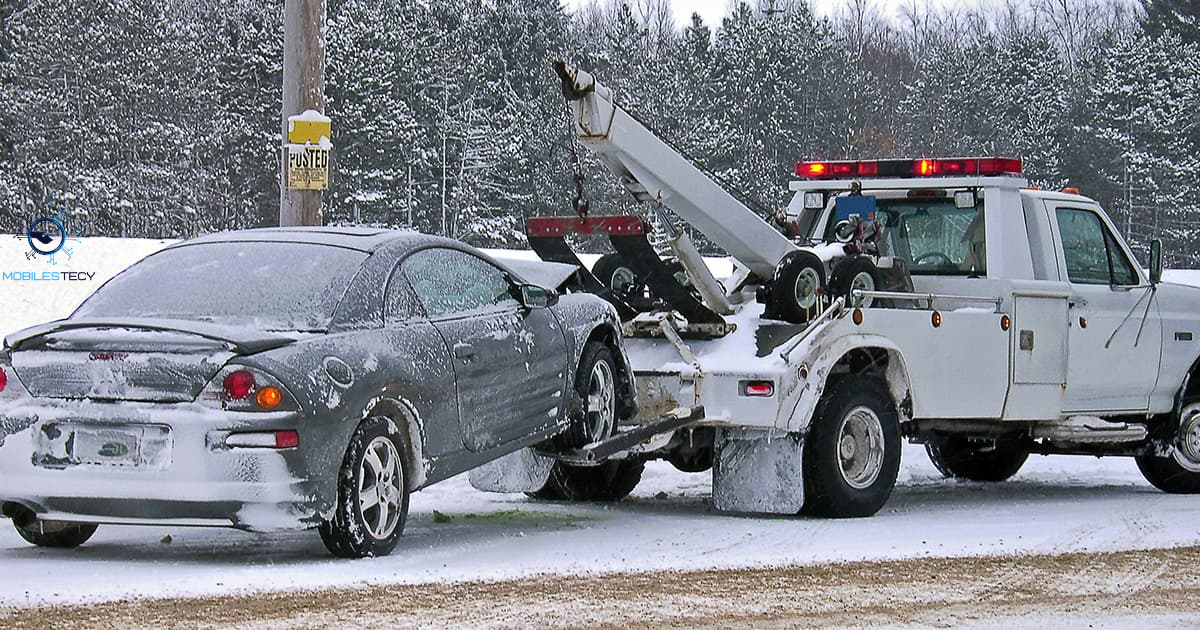
Car breakdowns often happen unexpectedly and create immediate stress for drivers. Towing costs can quickly add financial pressure during roadside emergencies. Many drivers assume auto insurance automatically includes towing services. In reality, towing coverage depends on policy type and added options. Understanding coverage details helps drivers avoid unexpected towing expenses.
Auto insurance primarily focuses on accidents and liability protection. Routine roadside issues are not always included in standard policies. Drivers must review policy documents to understand towing eligibility. Knowing coverage limits prevents confusion during stressful breakdown situations. This article explains how towing coverage works in auto insurance. Reviewing your policy can prevent miscommunication with insurance companies.
Towing may be necessary after accidents, breakdowns, or severe vehicle damage. Insurance companies evaluate towing claims based on specific covered events. Optional roadside assistance often determines towing availability. Drivers should understand differences between coverage types clearly. Proper knowledge ensures better financial planning during emergencies. Emergency preparedness includes understanding coverage limitations and available options.
Table of Contents
How Auto Insurance Handles Towing Coverage
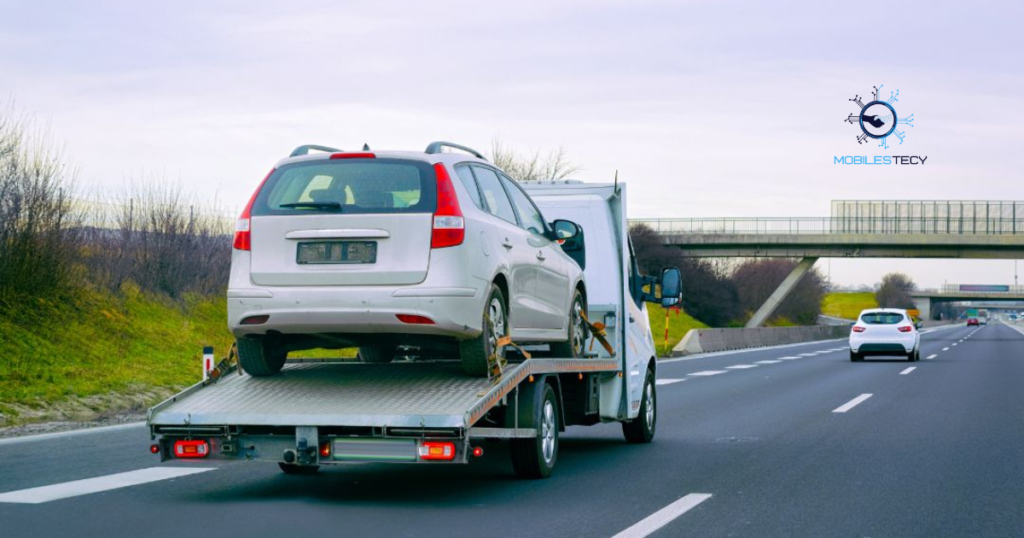
Standard auto insurance does not automatically include towing benefits. Liability insurance never covers towing for your own vehicle. Collision coverage may include towing after covered accidents. Comprehensive coverage may apply after non-collision covered events. Coverage depends on the reason towing becomes necessary. Knowing policy specifics helps drivers avoid rejected towing claims. Being informed ensures coverage is used correctly and efficiently.
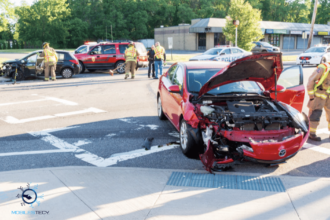
Towing after an accident is often covered under collision insurance. Insurers usually tow vehicles to nearest approved repair facilities. Distance limits may restrict how far towing coverage applies. Additional miles may result in out-of-pocket expenses. Policy limits vary significantly between insurance providers. Always check your insurer’s towing distance allowance and reimbursement limits. Choosing a preferred repair shop may affect claim approval.
Comprehensive auto insurance may cover towing after theft or natural disasters. Floods, fires, or falling objects may render vehicles undrivable. Towing applies only if the event is listed in policy. Mechanical failures remain excluded under comprehensive coverage. Policy language determines eligibility for towing reimbursement. Understanding comprehensive coverage prevents confusion about what is included. Read policy details to confirm eligibility for emergency towing claims.
Is Towing Coverage Worth Adding?
Towing coverage is usually inexpensive and offers strong value. Single towing incidents often cost more than annual coverage. Older vehicles benefit more from roadside assistance. Frequent drivers face higher breakdown risks. Towing coverage provides peace of mind for daily driving situations.
Drivers with warranties may already have towing benefits. Credit cards sometimes include limited roadside services. Comparing existing benefits avoids duplicate coverage. Evaluating needs helps decide coverage necessity. Checking alternative coverage options can save money and time.
Roadside Assistance and Towing Benefits

Roadside assistance is the most common towing coverage option. It is usually offered as an optional insurance policy add-on. Coverage includes towing, jump-starts, tire changes, and lockouts. Roadside assistance is affordable and widely used by drivers. Mileage limits often apply to towing services. This coverage is particularly helpful for older vehicles. Having roadside assistance ensures help is available when needed most.
Auto Insurance-based roadside assistance usually limits towing distance coverage. Common limits range between five and twenty-five miles. Additional towing distance may result in extra fees. Understanding mileage caps helps drivers avoid unexpected charges. Service availability depends on provider network and location. Some policies allow optional distance upgrades for additional cost. Being aware of towing distance ensures planning for repairs accordingly.
Some insurers offer towing and labor reimbursement coverage. Drivers pay upfront and submit receipts for reimbursement. This option allows flexibility in choosing towing providers. Coverage includes basic roadside services and towing costs. Reimbursement limits apply per incident or annually. Towing and labor coverage ensures reimbursement for emergencies anywhere. Policies may vary, so confirming details with the insurer is essential.
Alternatives to Insurance Towing Coverage
Automobile clubs offer standalone roadside assistance memberships. These memberships include towing and roadside services. Coverage limits vary by membership tier. They may supplement insurance benefits. Memberships often include additional benefits like jump-starts and lockout assistance.
Vehicle manufacturers may include towing with new car warranties. Warranty coverage duration varies by manufacturer. Services usually expire after warranty ends. Review warranty documents for details. Understanding warranty coverage prevents unnecessary additional purchases.
When Towing Is Not Covered by Insurance
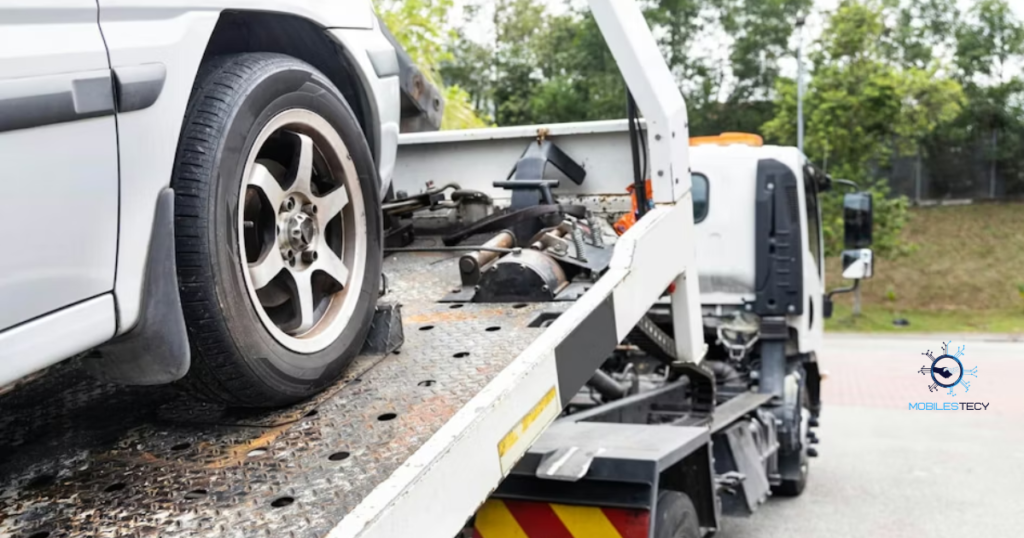
Towing due to mechanical breakdowns is usually not covered. Wear and tear issues fall under vehicle maintenance responsibility. Dead batteries or overheating are typically excluded. Insurance does not cover preventable roadside situations. Drivers must handle these costs independently. Being aware of exclusions prevents denied claims. Regular maintenance reduces the likelihood of unplanned towing.
Towing for convenience purposes is generally excluded. Moving vehicles between repair shops is usually not covered. Auto Insurance pays only for necessary emergency towing. Elective towing requests are denied by insurers. Understanding exclusions prevents claim disputes. Only essential towing qualifies for coverage reimbursement. Insurance protects against emergency events, not routine transportation needs.
Policy limits restrict coverage even when towing is eligible. Insurers may cap reimbursement amounts per incident. Secondary towing may not qualify for coverage. Approved towing providers may be required. Exceeding limits results in out-of-pocket expenses. Knowing limits prevents surprises during claim submissions. Exceeding mileage or provider rules may reduce coverage effectiveness.
Choosing the Right Towing Protection
Driving habits influence towing coverage needs significantly. Long-distance drivers benefit from higher mileage limits. Urban drivers may need less extensive coverage. Vehicle age also affects towing risk. Older cars with frequent usage benefit most from towing add-ons. Selecting coverage tailored to needs ensures better roadside security.
Comparing policies helps identify cost-effective towing options. Reading fine print prevents misunderstanding coverage limits. Understanding exclusions improves decision-making. Proper selection ensures peace of mind. Proper planning reduces unexpected expenses in emergency situations.
- Standard auto insurance does not automatically include towing coverage.
- Collision coverage may pay towing after covered accidents.
- Comprehensive coverage applies after certain non-collision events.
- Roadside assistance provides the most reliable towing protection.
- Coverage limits and distance restrictions always apply.
Faq’s
Does auto insurance automatically cover towing services?
No, towing is usually covered only with roadside assistance add-ons. Coverage depends on policy type.
Is towing covered after a car accident?
Yes, collision insurance may cover towing after a covered accident. Documentation is required.
Does comprehensive insurance include towing benefits?
Sometimes, if towing follows a covered non-collision event. Confirm with your insurer.
Is towing covered for mechanical breakdowns?
No, mechanical failures are generally excluded from coverage. Additional services are required.
Should I add roadside assistance to my policy?
Yes, it offers affordable protection for common roadside emergencies. Optional coverage adds convenience.
Conclusion
Auto insurance does not universally cover towing in all situations. Coverage depends on policy type and specific circumstances. Accident-related towing is more likely to be covered. Routine breakdowns require additional roadside assistance. Understanding policy details avoids unexpected towing expenses. Drivers should evaluate policy options regularly for best protection. Knowledge helps plan for emergencies and roadside incidents confidently.
Roadside assistance offers the most practical towing solution. It provides affordable protection for everyday vehicle issues. Drivers should review mileage limits and exclusions carefully. Comparing options ensures appropriate coverage selection. Prepared drivers experience less stress during emergencies. Being prepared improves safety during unexpected breakdowns or accidents. Coverage awareness minimizes financial and logistical challenges on the road.
Choosing the right towing coverage enhances overall driving confidence. Small monthly costs can prevent large unexpected expenses. Evaluating driving habits helps tailor coverage needs. Informed decisions lead to better financial protection. Knowledge remains the key to effective auto insurance planning. Selecting appropriate coverage ensures peace of mind for all drivers. Proper planning avoids unnecessary out-of-pocket costs during emergencies.
Read more latest Articles on Mobilestecy.com