Auto insurance often confuses drivers when costly mechanical problems suddenly arise. Engine failure is one of the most expensive and stressful vehicle issues. Many car owners assume insurance automatically covers major engine damage. Unfortunately, coverage depends heavily on policy type and failure cause. Understanding insurance limitations helps avoid unexpected financial burdens later. Clear information helps drivers plan better for expensive automotive emergencies.
Modern vehicles rely heavily on complex engines requiring proper maintenance. Ignoring policy details may lead to denied claims during emergencies. Insurance focuses on accidents rather than gradual mechanical deterioration. Drivers must understand exclusions before assuming engine repair coverage exists. Knowledge protects vehicle owners from costly misunderstandings and disputes. Awareness improves confidence when reviewing insurance policies and coverage details.
Engine replacement can cost more than the vehicle’s market value. Insurance companies assess claims based on sudden, accidental damage events. Routine wear and mechanical aging usually fall outside insurance protection. This article explains when coverage applies and when it does not. Clear understanding ensures smarter financial and coverage decisions for drivers. Informed choices reduce stress during unexpected vehicle breakdown situations.
Table of Contents
How Auto Insurance Policies Define Coverage
Auto insurance policies primarily cover accidents and unpredictable external events. Mechanical failures are considered expected outcomes of vehicle usage. Insurance companies separate accidental damage from maintenance responsibilities. This distinction determines whether engine failure qualifies for coverage. Understanding policy language is essential before filing any engine-related claim. Careful reading prevents misunderstandings during the claims process.
Liability insurance never covers engine damage under any circumstances. Collision coverage applies only when accidents directly damage engine components. Comprehensive coverage protects against non-collision disasters affecting engines. Neither option includes internal engine wear or mechanical malfunction. Policyholders must understand these limitations clearly before assuming protection. Knowing coverage boundaries helps drivers manage repair expectations realistically.
Insurance aims to manage risk, not vehicle longevity or performance. Engines deteriorate naturally without proper servicing and timely repairs. Covering wear-related damage would dramatically increase insurance premiums. Therefore, mechanical breakdowns remain excluded from standard coverage. This principle applies consistently across most insurance providers. Policy consistency helps insurers maintain affordable premium structures.
Common Misconceptions About Engine Coverage
Many drivers believe full coverage includes engine failure protection automatically. Full coverage is not an official insurance term or guarantee. It usually refers to collision and comprehensive insurance combined. Mechanical failures remain excluded despite having full coverage policies. Misunderstanding this term often leads to denied insurance claims.
Overheating damage is often assumed to be covered by insurance. Most overheating results from coolant leaks or neglected maintenance. Insurance companies classify these as preventable mechanical failures. Claims for overheating-related engine damage are commonly denied. Routine inspections can help prevent overheating-related engine issues.
Situations Where Engine Damage May Be Covered
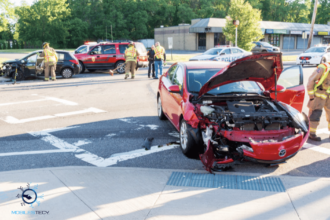
Engine damage caused by vehicle collisions may qualify for insurance coverage. Severe accidents can crack engine blocks or damage internal components. Collision insurance may pay repair or replacement costs in such cases. Documentation must prove damage resulted directly from the accident. Delayed failures often result in denied insurance claims. Prompt inspections help establish clear accident-related damage evidence.
Comprehensive insurance may cover engines damaged by flooding or fire. Water entering the engine can cause hydrolock and severe internal damage. Fires, vandalism, or falling objects may also affect engines. Coverage applies only if the event is listed in policy terms. Mechanical failure unrelated to these events remains excluded. Policy verification ensures proper understanding of covered incidents.
Insurance adjusters thoroughly investigate engine damage claims before approval. They assess maintenance history and pre-existing mechanical issues. Neglect or ignored warning signs may weaken claim eligibility. Clear evidence improves chances of coverage approval significantly. Honest documentation helps avoid claim disputes and delays. Transparency speeds up the insurance claim review process.
Importance of Maintenance Records in Claims
Maintenance records demonstrate responsible vehicle ownership to insurers. They help prove engine damage was sudden, not caused by neglect. Insurers review service history during engine-related claim evaluations. Incomplete records may result in delayed or denied claims. Proper documentation strengthens trust between owners and insurers.
Keeping receipts and service logs strengthens claim credibility significantly. Regular maintenance also reduces risk of catastrophic engine failure. Well-maintained engines last longer and perform more reliably. Documentation protects owners during claim investigations. Organized records simplify communication with insurance representatives.
Alternatives to Insurance for Engine Failure Protection
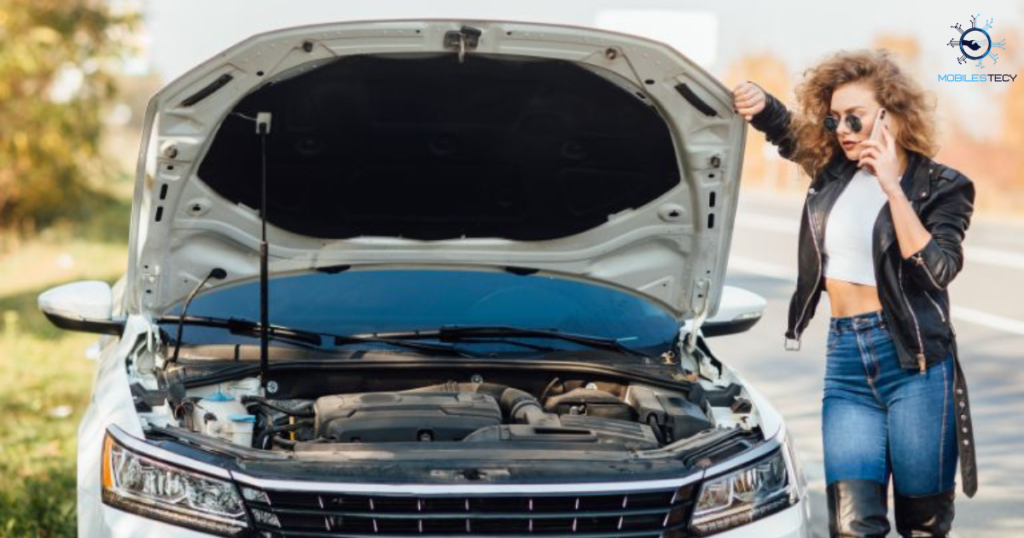
Extended warranties offer coverage for engine components after factory warranties expire. Dealerships or third-party providers usually sell these warranty plans. Coverage varies widely depending on contract terms and exclusions. Reading fine print prevents unexpected denial of engine repair claims. Extended warranties provide predictable protection for long-term vehicle ownership. They offer reassurance for owners keeping vehicles beyond warranty periods.
Mechanical breakdown insurance covers sudden engine and system failures. It functions differently from traditional auto insurance policies. Some insurers offer this as an optional add-on feature. MBI usually requires regular maintenance and newer vehicle eligibility. This option offers valuable peace of mind for cautious drivers. It bridges the gap between insurance and maintenance coverage.
Regular maintenance remains the most effective way to prevent engine failure. Oil changes, coolant checks, and timely repairs extend engine lifespan. Ignoring warning lights often leads to severe internal damage. Maintenance records support claims when accidental damage occurs. Prevention always costs less than complete engine replacement. Consistent care significantly improves overall vehicle reliability.
When Engine Replacement Becomes a Total Loss
Engine replacement costs often exceed older vehicle market values. Insurers may declare vehicles totaled instead of approving repairs. Actual cash value determines payout amounts in total loss cases. Older cars face higher risk of total loss declarations. Vehicle age heavily influences insurance settlement decisions.
Financed or leased vehicles require comprehensive and collision coverage. Insurance payouts often go toward outstanding loan balances. Owners may still owe money after settlement in some cases. Understanding vehicle value helps manage expectations realistically. Gap insurance may help cover remaining loan differences.
- Auto insurance usually does not cover engine failure from wear.
- Collision coverage applies only when accidents directly damage engines.
- Comprehensive coverage protects engines from floods, fire, or vandalism.
- Mechanical breakdown insurance offers separate engine repair protection.
- Regular maintenance is the best defense against engine failure costs.
Faq’s
Does auto insurance cover engine failure automatically?
No, standard policies exclude engine failure caused by wear or mechanical issues. Coverage applies only when damage results from covered accidental events.
Can insurance cover engine damage after a car accident?
Yes, collision coverage may apply if accident directly damages the engine. Documentation is required to confirm accident-related engine damage.
Does flood damage to engines qualify for insurance coverage?
Yes, comprehensive insurance usually covers flood-related engine damage. Water damage must be directly linked to the flooding event.
Is overheating damage covered by auto insurance?
Generally no, overheating is considered a maintenance-related mechanical failure. Insurers expect owners to prevent overheating through proper care.
Should I buy extra coverage for engine protection?
Yes, mechanical breakdown insurance or extended warranties offer better engine protection. These options reduce unexpected repair expenses significantly.
Conclusion
Auto insurance rarely covers engine failure caused by aging or neglect. Coverage depends entirely on the cause of engine damage. Accidents and covered disasters may qualify under specific policies. Mechanical breakdowns remain excluded from standard insurance protection. Understanding policy limits prevents costly misunderstandings for vehicle owners. Knowledge empowers smarter financial planning for car repairs.
Drivers must read insurance policies carefully before assuming engine coverage. Full coverage does not guarantee mechanical repair protection. Maintenance remains the primary responsibility of the vehicle owner. Preventive care reduces breakdown risks and repair expenses. Insurance should complement maintenance, not replace it. Balanced planning ensures long-term vehicle ownership success.
Choosing additional protection options offers financial security against engine failure. Extended warranties and mechanical breakdown insurance provide valuable coverage. Comparing plans ensures suitable protection for individual needs. Informed decisions save money and reduce long-term stress. Knowledge remains the strongest tool for protecting your vehicle investment. Preparation leads to confidence during unexpected automotive challenges.
Read more latest Articles on Mobilestecy.com